The Ultimate Guide to Understanding Steel Stud Wall Framing Techniques
In recent years, the construction industry has witnessed a significant shift towards innovative framing techniques,
with Steel Stud Wall Framing emerging as a leading choice among builders and architects alike.
According to a report by the National Association of Home Builders, approximately
45% of new residential projects in urban areas now utilize steel framing due to its
durability and resistance to environmental factors.
This method not only enhances structural integrity but also aligns with
sustainable construction practices by reducing waste materials.
Furthermore, the American Institute of Steel Construction estimates that steel framing can
cut project time by up to 20%, making it an appealing option for developers seeking
efficiency without compromising quality. This guide aims to
demystify the complexities of Steel Stud Wall Framing, providing comprehensive insights into
techniques, benefits, and best practices for effective implementation in modern construction.
Understanding the Basics of Steel Stud Wall Framing Techniques
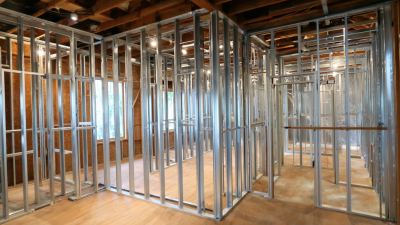
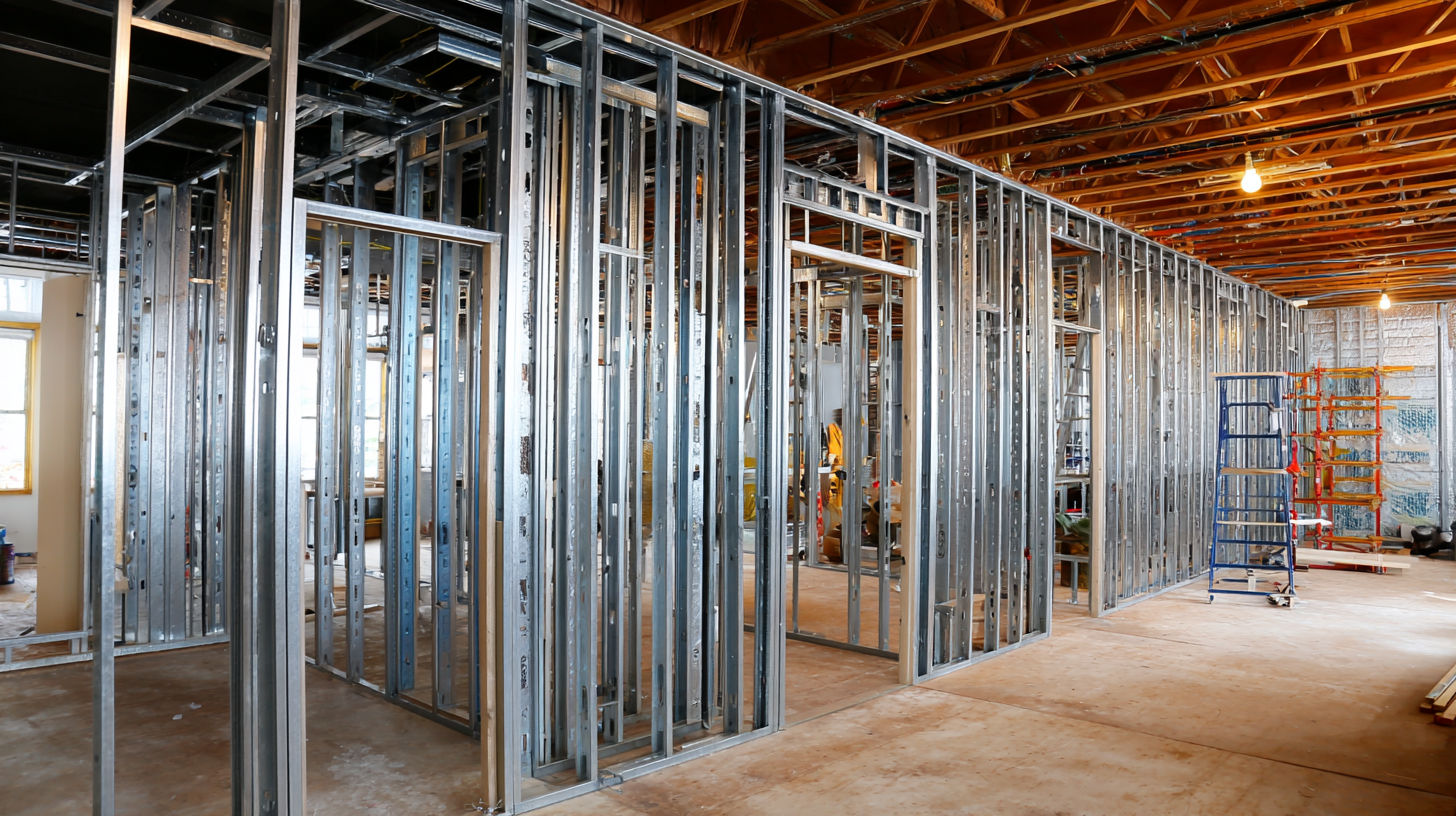
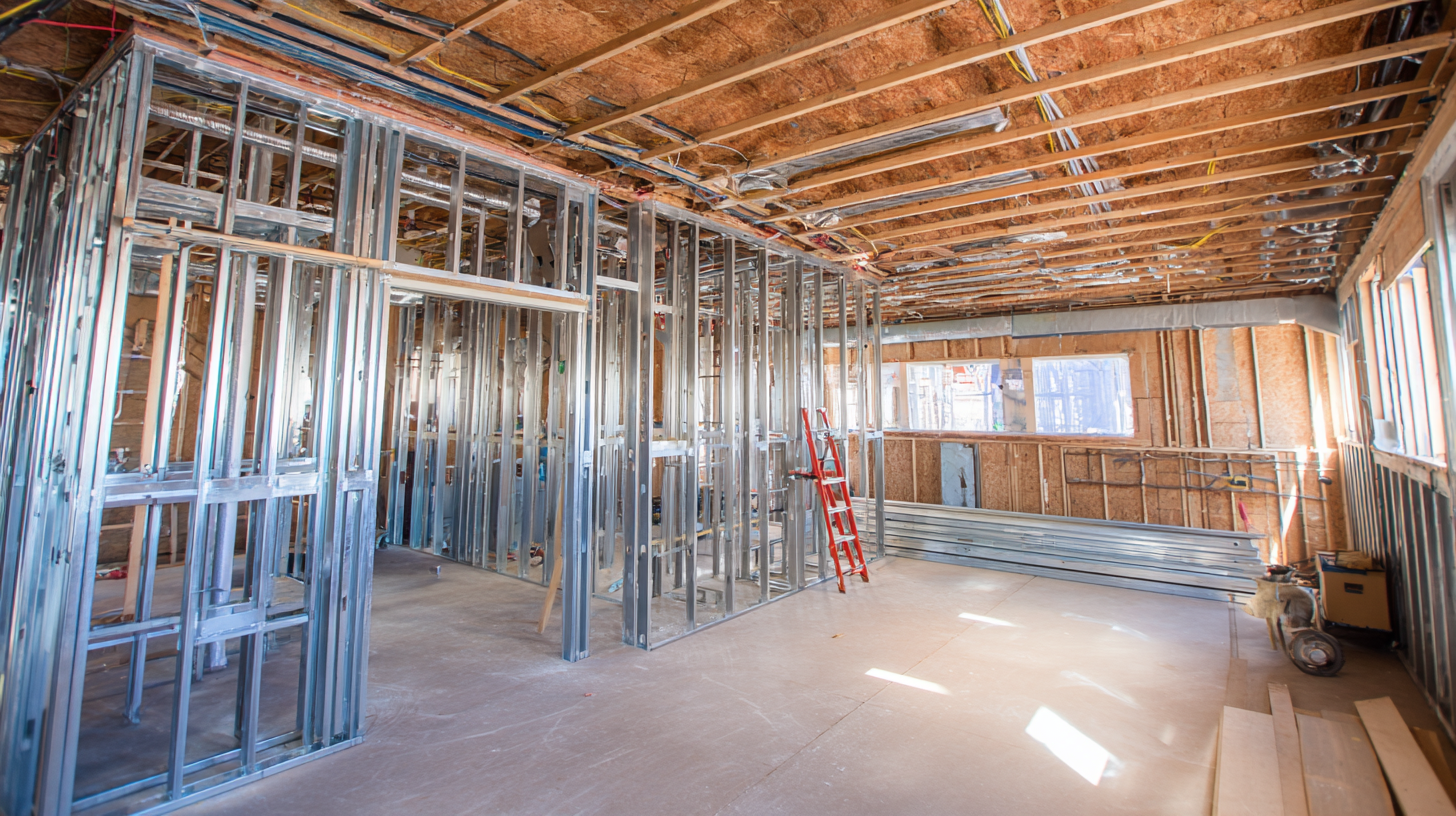
Steel stud wall framing is an innovative construction technique that offers numerous advantages over traditional wood framing. By utilizing steel studs, builders can create durable, fire-resistant walls that are less susceptible to warping, cracking, and pest infestations. The lightweight nature of steel also simplifies transportation and installation, making the overall process more efficient. Understanding the basics of this method is crucial for both seasoned professionals and DIY enthusiasts looking to expand their skills.
To effectively implement steel stud wall framing, one must first grasp the fundamental components involved. Steel studs come in various gauges and lengths, allowing for customization based on the structural requirements of a project. Proper alignment and fastening techniques are essential to ensure stability and integrity. Moreover, the process includes careful planning regarding insulation and electrical wiring, as the steel framing can influence thermal characteristics and design flexibility. Familiarity with tools specific to steel framing, such as metal snips and screw guns, significantly enhances productivity and safety on the job site.
Essential Tools and Materials for Steel Stud Wall Construction
When embarking on a steel stud wall framing project, having the essential tools and materials is crucial for a successful build. Steel studs, typically available in various sizes, provide a lightweight yet strong alternative to traditional wood framing. Standard dimensions include 3 5/8-inch and 2 5/8-inch widths, with lengths ranging from 8 to 12 feet. Additionally, track channels are necessary for floor and ceiling installations, forming the framework that supports the steel studs.
In terms of tools, a high-quality metal stud cutter or reciprocating saw is vital for precise cuts. A level, measuring tape, and square ensure that walls are erected straight and true. Moreover, a stud finder is beneficial for locating existing utilities or securing the framing to the structure. Finally, fasteners specifically designed for steel, such as self-drilling screws and rivets, are essential for assembling the wall frame securely. With these tools and materials on hand, anyone can construct durable and efficient steel stud walls.
The Ultimate Guide to Understanding Steel Stud Wall Framing Techniques
Step-by-Step Guide to Installing Steel Stud Walls Effectively
Installing steel stud walls can be an effective way to create durable and lightweight partitions in both residential and commercial spaces. To begin, gather all necessary materials, including steel studs, track, screws, and a level. Start by measuring and marking the layout on the floor and ceiling where the walls will be installed. Use the track to provide a base for the studs, ensuring it is straight and level before fastening it with screws.
Once the track is securely in place, cut the steel studs to the required height, typically matching the distance between the floor and ceiling tracks. Insert the studs into the track, spacing them 16 or 24 inches apart, depending on your design needs. Secure each stud to the track using self-drilling screws and ensure they are plumb by checking with a level.
After the framing is complete, you can move on to installing drywall or other finishes to complete your project. With careful planning and attention to detail, installing steel stud walls can be a straightforward process that enhances the functionality of your space.
Common Mistakes to Avoid in Steel Stud Framing
When constructing steel stud walls, avoiding common mistakes is crucial for ensuring structural integrity and efficiency. One frequent error is inadequate bracing, which can lead to lateral instability. Properly designed braced bays enhance the wall assembly’s resistance to lateral loads. It's essential to understand the specific requirements for your region and follow the best practices for bracing techniques.
Another common mistake is miscalculating stud spacing. While it might be tempting to shorten intervals to save materials, this can compromise the wall's strength and insulation performance. Remember to adhere to the recommended spacing guidelines to maintain optimal load capacity and prevent unnecessary material waste.
Tips: Always double-check your measurements before cutting to ensure accuracy. It’s also wise to use a reliable stud finder to locate existing studs and avoid potential damage during installation. Lastly, consult with professionals or experienced contractors when in doubt, as they can provide valuable insights that may save you time and money in the long run.
Best Practices for Ensuring Structural Integrity in Steel Walls
When constructing steel stud walls, ensuring structural integrity is paramount. One of the best practices involves proper alignment and spacing of the studs. The studs should be installed vertically and positioned according to the building codes and project specifications, typically 16 or 24 inches apart. This spacing provides adequate support while allowing for insulation and electrical wiring. Additionally, utilizing high-quality materials and finishes during assembly can significantly enhance the durability of the wall.
Another critical aspect is the use of appropriate framing techniques. For example, employing staggered stud framing can help reduce sound transmission and enhance the wall's overall strength. Moreover, incorporating bracing elements such as diagonal braces or load-bearing elements can further improve the structural integrity, especially in areas prone to lateral forces like wind or seismic activity. Regular inspections throughout the construction process also play a vital role in identifying and addressing any potential weaknesses, ensuring that the steel stud wall can withstand expected loads and serve its purpose effectively for years to come.
The Ultimate Guide to Understanding Steel Stud Wall Framing Techniques
| Technique |
Description |
Best Practice |
Common Use Cases |
| Steel Stud Spacing |
Determining the correct spacing for steel studs |
Use 16-24 inches apart depending on the application |
Commercial buildings, interior partitions |
| Bracing Techniques |
Utilizing diagonal bracing to enhance stability |
Add bracing at corners and midpoints |
Tall wall installations, areas with high wind loads |
| Header and Sill Construction |
Building headers and sills to create openings |
Ensure proper load distribution to prevent sagging |
Doors, windows in commercial settings |
| Sound Proofing |
Incorporating materials to minimize sound transmission |
Use acoustical insulation within wall cavities |
Studios, offices requiring privacy |
| Fire Resistance |
Applying fire-rated materials and techniques |
Use steel studs rated for fire resistance |
Public buildings, commercial spaces |