Top 10 Benefits of Steel Stud Wall Framing for Your Home?
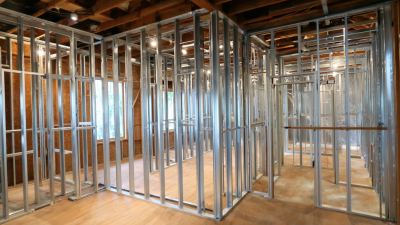
In the realm of home construction, "Steel Stud Wall Framing" has become a popular choice. Industry expert John Miller once stated, “Steel framing offers durability and efficiency like no other.” This method provides a variety of benefits that can significantly enhance your home. From strength to fire resistance, it reshapes how we think about walls.
Compared to traditional wood framing, Steel Stud Wall Framing is often lighter yet incredibly robust. It resists warping and shrinking, which are common issues with wood. This means fewer repairs and more stability for your home. Additionally, steel is immune to termites and other pests, eliminating worries about infestations.
However, homeowners must consider installation costs and the expertise required. Finding skilled workers can be challenging. It’s essential to weigh these factors carefully against the long-term benefits. Overall, Steel Stud Wall Framing represents a modern approach to design and safety in building homes. Embracing this method could lead to a more lasting and resilient structure.
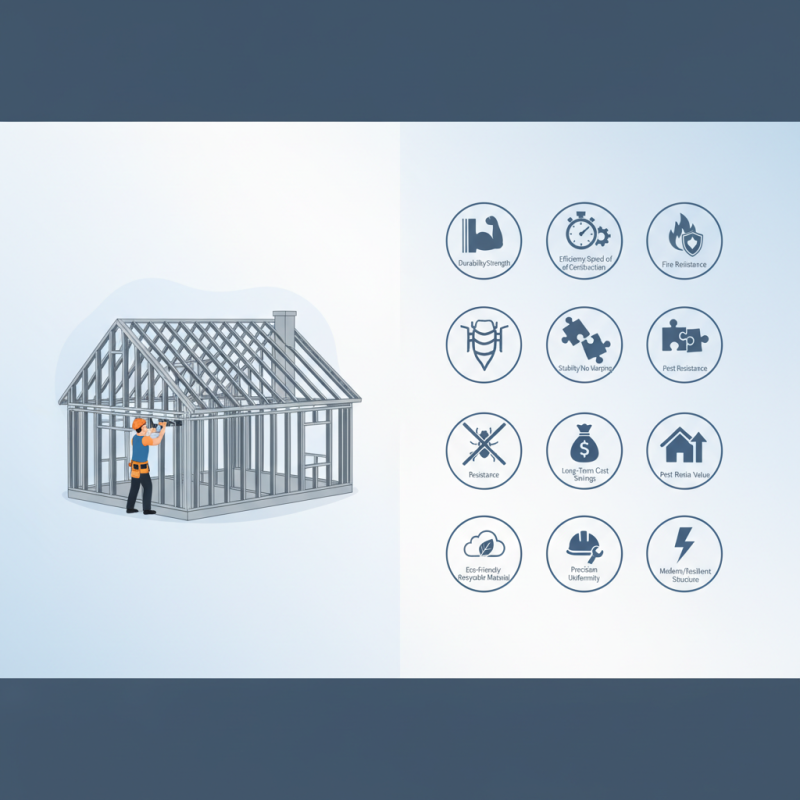
Benefits of Steel Stud Wall Framing for Structural Integrity and Durability
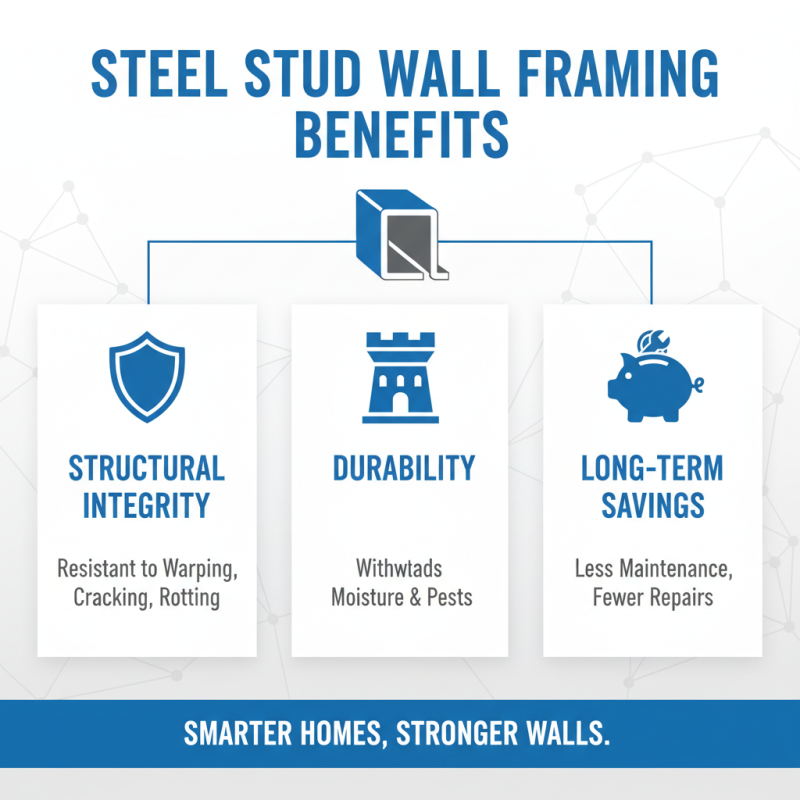
Steel stud wall framing offers significant benefits for structural integrity and durability in homes. Unlike traditional wood framing, steel is resistant to warping, cracking, and rotting. This resistance can lead to longer-lasting walls that require less maintenance. Homes built with steel studs can withstand a variety of environmental challenges, from moisture to pests. This durability means fewer repairs in the long run, which can save homeowners both time and money.
Moreover, steel’s strength ensures that wall systems can support heavier loads. This is particularly important in multi-story homes where stability is crucial. Yet, there can be downsides to using steel. For instance, steel can conduct heat and cold, impacting energy efficiency if not insulated properly. Homeowners must also consider the potential for noise transmission through steel frames. These factors require reflection and planning to achieve the best results. Despite these challenges, the advantages of steel stud framing often outweigh the downsides when properly addressed.
Cost-Effectiveness and Long-term Financial Savings of Steel Framing
When considering home construction, cost-effectiveness is critical. Steel stud wall framing offers significant long-term financial savings. Initially, the investment in steel framing may seem higher. However, its durability means lower maintenance costs over time. Steel is resistant to pests, moisture, and warping, reducing the need for repairs.
One tip for maximizing savings is to assess the design of your home carefully. A well-planned layout minimizes waste and optimizes material use. Choose standard sizes for steel studs to avoid excess costs. Seek out local suppliers for competitive pricing.
Additionally, consider energy efficiency. Steel framing allows for better insulation, leading to reduced energy bills. When combined with proper insulation techniques, it can significantly cut heating and cooling costs. Although up-front expenses may require reflection, the long-term gains can outweigh initial financial concerns. A thoughtful approach can transform potential challenges into remarkable advantages.
Top 10 Benefits of Steel Stud Wall Framing for Your Home
| Benefit |
Description |
Estimated Cost Savings (%) |
| Durability |
Steel studs are resistant to warping, cracking, and pests. |
15% |
| Fire Resistance |
Steel is non-combustible, providing better fire safety. |
10% |
| Eco-Friendly |
Steel can be recycled, reducing environmental impact. |
5% |
| Cost-Effectiveness |
Lower material costs and labor expenses compared to wood. |
20% |
| Less Maintenance |
Reduced need for repairs and replacements over time. |
12% |
| Precision |
Manufactured for accuracy, leading to faster construction. |
8% |
| Design Flexibility |
Allows for custom designs and layouts easily. |
6% |
| Lightweight |
Easier handling and transportation compared to wood. |
7% |
| Sustainability |
Using less raw material and promoting energy efficiency. |
9% |
| Noise Reduction |
Better sound dampening capabilities compared to wood studs. |
11% |
Enhanced Energy Efficiency and Insulation Properties with Steel Studs
Steel stud wall framing offers significant advantages in energy efficiency and insulation properties for your home. According to the U.S. Department of Energy, steel studs can improve thermal performance, reducing energy costs by up to 20%. This efficient framing method minimizes thermal bridging, which helps maintain a more stable indoor temperature throughout the year.
Insulation compatibility is another critical factor. Steel studs can easily accommodate various insulation materials. Research suggests that using high-performance insulation with steel framing can further enhance overall energy efficiency. This synergy can lead to reduced reliance on heating and cooling systems, potentially saving you hundreds of dollars annually.
However, not all insulation options are created equal. Choosing the right type is essential for maximizing energy efficiency. For instance, fiberglass insulation is common, but it might not perform as well as spray foam. Homeowners face challenges when selecting insulation that complements steel studs effectively. Despite its advantages, the integration of these materials requires careful planning to avoid potential inefficiencies.
Fire Resistance and Safety Features of Steel Stud Wall Construction
Steel stud wall construction offers significant fire resistance and safety features. Reports indicate that steel does not burn, making it a safer option compared to traditional wood framing. In fact, steel can withstand temperatures up to 1,500 degrees Fahrenheit without losing its structural integrity. This resistance helps protect your home from fire damage.
Many homeowners worry about the longevity of materials used in construction. Steel studs resist mold, mildew, and pests. According to industry studies, homes built with steel framing see a 30% reduction in fire damage compared to wood-framed homes. However, potential buyers should be informed about the thermal conductivity of steel, which may require additional insulation to achieve energy efficiency.
While steel framing is impressive, it isn't without its challenges. Costs can fluctuate based on market demand. Also, it may necessitate specialized labor for installation. These factors should be considered before choosing this material. Balancing safety benefits with installation complexities is key in making a well-rounded decision for your home's future.
Top 10 Benefits of Steel Stud Wall Framing for Your Home
Environmental Sustainability and recyclability of Steel in Home Building
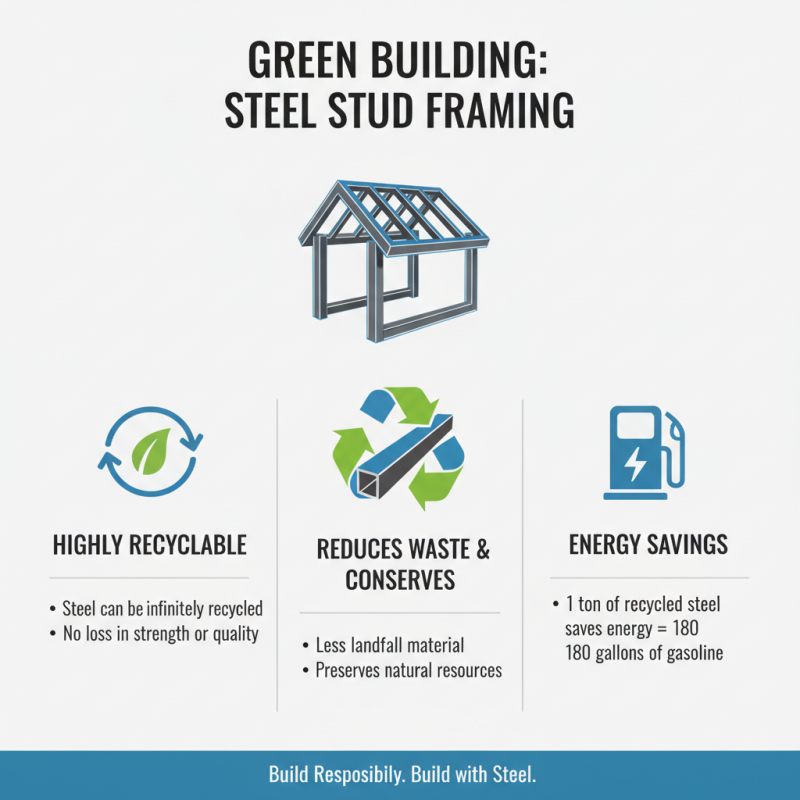
When considering steel stud wall framing for your home, environmental sustainability stands out. Steel is highly recyclable. Old steel can be transformed into new products without losing strength. This process reduces waste and conserves resources. Every ton of recycled steel saves energy equivalent to a certain amount of gasoline.
Building with steel can lessen the carbon footprint of your home. Unlike wood, steel does not require reforesting. This means fewer trees are cut down for construction. Consequently, the ecosystem remains healthier. However, extracting raw materials for steel production can harm the environment. It's crucial to weigh the impacts carefully.
Tips: Choose steel sourced from recycled materials. This decision boosts sustainability. Also, consider insulation options. Proper insulation helps maintain temperature. It enhances energy efficiency, further benefiting the environment. Always think long-term; what’s right today may need reevaluation tomorrow.