Steel Studs Tips for Stronger Building Structures?
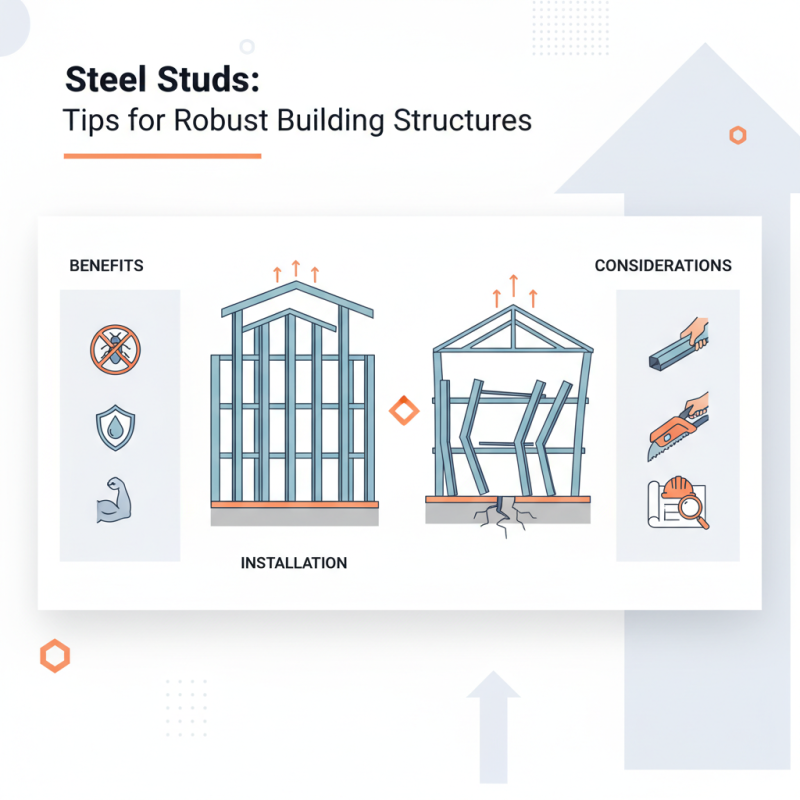
Steel studs have become a popular choice in modern construction. They offer a range of benefits that traditional wood framing cannot match. These metal structures are resistant to pests and moisture. They also provide superior strength, which is crucial for building durability.
When considering steel studs, it’s important to think about their installation process. Proper techniques can significantly enhance the structural integrity of a building. For instance, aligning steel studs correctly ensures they can bear weight effectively. On the other hand, poorly installed studs could lead to problems later.
While steel studs are strong, they can also create challenges. For example, they are less forgiving during cutting or drilling. Builders must be precise to avoid mistakes. Reflecting on these aspects can help in making better decisions. Ultimately, steel studs can lead to stronger buildings, but their use requires careful planning and execution.
Understanding Steel Studs: Properties and Benefits
Steel studs are revolutionizing modern construction. Their properties make them a vital choice for building structures. They are lightweight yet incredibly strong. This combination offers flexibility in design without sacrificing stability. Builders appreciate the non-combustible nature of steel studs. This reduces fire hazards, making them a safer option in many contexts.
When using steel studs, consider several tips. Ensure proper spacing for optimal support. Overestimating might lead to structural weaknesses. Also, use appropriate screws and fasteners. They can significantly affect durability. Remember, not every project will benefit from steel studs. Assess the specific needs and conditions of each build.
Another factor to reflect on is insulation. Steel can conduct heat, which might lead to energy inefficiency. Proper insulation materials can mitigate this issue. Choosing the right materials can enhance comfort in the building. While steel studs offer many benefits, understanding their limitations is crucial. Overall, recognizing their properties ensures strong, reliable structures.
Steel Studs Strength Comparison
Choosing the Right Steel Studs for Your Building Project
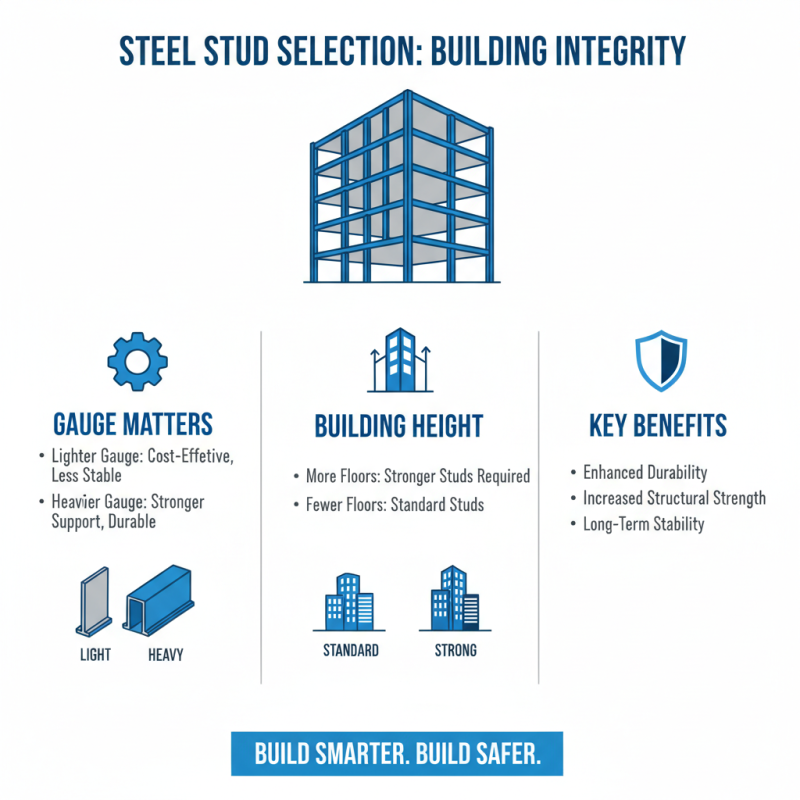
When embarking on a building project, the choice of steel studs can significantly impact the structure's integrity. Proper selection is crucial for durability and strength. Consider the gauge of the steel. Lighter gauges may seem cost-effective, but they can compromise stability. Heavier gauges offer better support. Think about how many floors your building will have. More floors require stronger studs.
Tips for choosing the right steel studs include checking the coating. Zinc-coated studs resist rust and corrosion. This is vital in areas with high moisture. Also, assess the length of the studs. Longer studs can pose challenges in handling and storage. They may bend easily if not properly managed.
You might overlook the importance of the supplier. A reliable supplier will provide quality materials. However, not every supplier meets this standard. Always seek reviews and ask questions. Sometimes, a cheaper option can lead to higher costs later. Reflect on the long-term implications of your initial choices. This awareness can lead to a more robust structure in the end.
Installation Techniques for Enhanced Structural Integrity
When it comes to building structures, steel studs offer significant advantages. Proper installation techniques are crucial for enhancing structural integrity. According to a report by the American Iron and Steel Institute, steel framing can reduce the risk of structural failure by up to 30%. This is largely due to the strength and durability of steel.
One effective technique is ensuring proper alignment during installation. Misaligned studs can lead to uneven loads. This might weaken the entire frame. Using a laser level can enhance precision. Studies show that careful installation reduces the chance of errors. Mistakes often occur with mismeasured sections.
Moreover, connecting steel studs appropriately is vital. Techniques like double-stud framing can provide extra strength. However, there’s a downside. Increased complexity can lead to errors if not followed diligently. A survey indicated that almost 25% of contractors reported challenges in this area. Effective training is essential to minimize these issues. With attention to detail, stronger structures can be achieved.
Common Mistakes to Avoid When Using Steel Studs
When using steel studs, several common mistakes often arise. One major error is improper alignment. If the studs are not perfectly aligned, the entire structure might suffer. Walls may not be straight, leading to issues with installation of fixtures later. This misalignment can cause unnecessary extra work during the finishing stages.
Another mistake is overlooking proper spacing. Many builders might think that standard spacing will suffice, but this isn't always true. Depending on the wall type and load requirements, you might need closer spacing. Ignoring this could lead to weaknesses in the structure.
Lastly, neglecting to consider thermal expansion can be disastrous. Steel expands and contracts with temperature changes. If you don’t account for this, it could cause buckling or gaps over time. It’s essential to plan for these movements to ensure a durable and resilient structure. Reflect on these points to improve your construction practices.
Steel Studs Tips for Stronger Building Structures
| Tip/Dimension |
Description |
Common Mistakes |
| Stud Size |
Select appropriate stud sizes based on load requirements. |
Using incorrect stud sizes resulting in structural failure. |
| Spacing |
Follow recommended spacing guidelines for stud placement. |
Spacing studs too far apart weakening walls. |
| Connections |
Use appropriate fasteners for connecting studs to track and other members. |
Improper connections leading to instability. |
| Bracing |
Install diagonal bracing for added strength. |
Failing to brace adequately resulting in sway issues. |
| Moisture Control |
Incorporate moisture barriers to prevent rust. |
Ignoring moisture control leading to weakened studs over time. |
Maintaining and Inspecting Steel Studs for Longevity
Proper maintenance and inspection of steel studs play a critical role in the longevity of building structures. Recent research indicates that about 70% of structural failures can be traced back to inadequate maintenance practices. This statistic highlights the importance of regular inspections to detect early signs of wear and tear. Even minor rust spots can grow into significant issues over time. Inspecting each steel stud for corrosion can save thousands in repairs.
Routine checks should focus on crucial areas. Look for any signs of bending or warping. Measurements should comply with industry standards to ensure structural integrity. Experts recommend annual inspections, though biannual checks might be even better for older structures. Maintaining a clean environment around studs also prevents moisture accumulation. Regular cleaning can extend the lifespan of steel by up to 30%.
Even with the best practices, challenges remain. Occasionally, studs may not align perfectly due to various factors during installation. Misalignment can lead to additional stress on the structure. Ignoring such issues can compromise the building’s safety. Awareness and timely intervention are essential. Encourage routine training for maintenance staff. Continuous education can significantly enhance longevity and performance of steel stud structures.