What is a Suspended Metal Ceiling and Its Benefits?
A Suspended Metal Ceiling is gaining popularity in modern architecture. Expert Mark Henderson from Tile and Ceiling Solutions states, "This design provides a perfect blend of style and practicality."
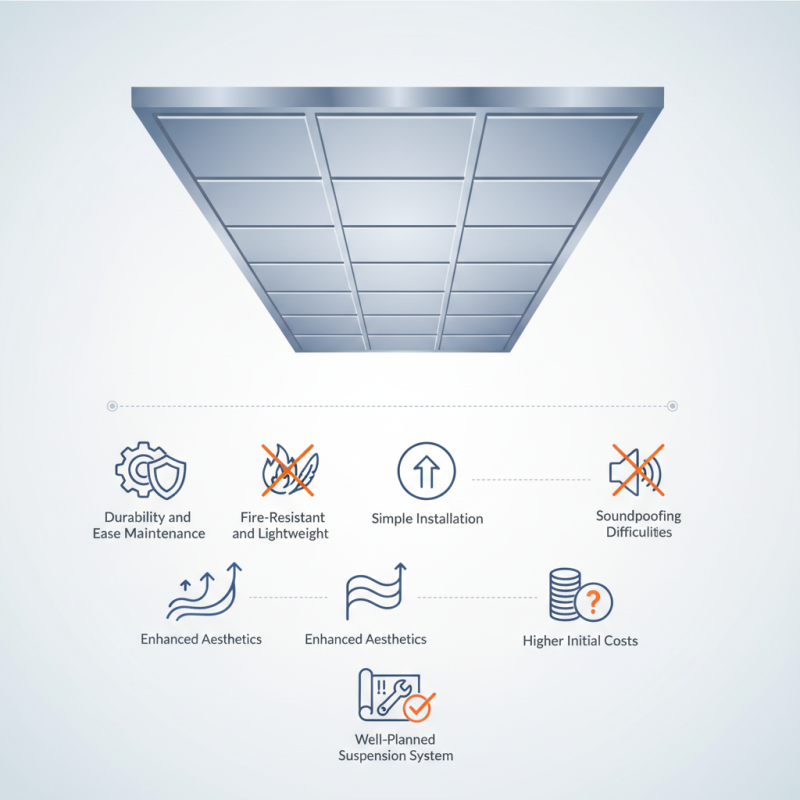
Suspended Metal Ceilings offer durability and ease of maintenance. They are fire-resistant and lightweight, making installation simple. This ceiling type enhances aesthetics with a sleek and professional appearance.
However, challenges exist. Proper soundproofing can be difficult. Some may find the initial costs higher than traditional options. Reflecting on these aspects is crucial for any project. A well-planned suspension system leads to a successful installation.
What is a Suspended Metal Ceiling?
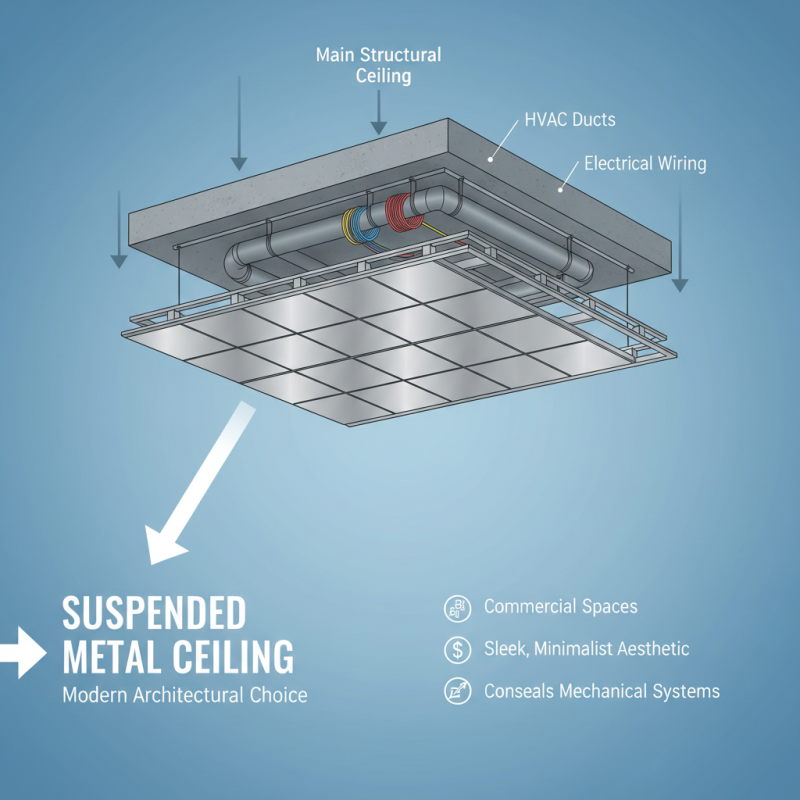
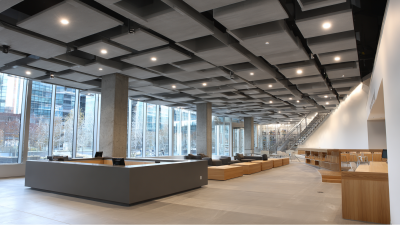
A suspended metal ceiling is a modern architectural choice, often seen in commercial spaces. It consists of panels set in a grid system, suspended below the main structural ceiling. This creates a void that can accommodate mechanical systems like HVAC ducts and electrical wiring. The sleek appearance of metal provides a clean, minimalist aesthetic.
These ceilings offer several advantages. They improve acoustics by reducing sound reverberation. Additionally, the metal surfaces are usually easy to maintain, resisting dust and grime. However, installation can be tricky and requires precision. If not installed correctly, issues can arise, such as gaps or uneven surfaces.
Metal ceilings can also enhance energy efficiency. Their reflective surfaces help distribute light more evenly, minimizing the need for artificial lighting. Yet, they may not suit every environment. The cold, industrial feel might not work in cozy, residential settings. It's vital to consider the overall design before making a choice.
The Structure and Design of Suspended Metal Ceilings
Suspended metal ceilings offer a modern aesthetic that appeals to many commercial spaces. These ceilings consist of lightweight metal tiles, suspended from a framework attached to the ceiling above. The design is versatile, allowing for various shapes and finishes. This flexibility helps a space feel unique and tailored.
The structure of suspended metal ceilings greatly impacts their functionality. The metal used can be treated for better acoustics or fire resistance. One overlooked point is the ease of installation. While it sounds simple, careful planning is needed to avoid misalignment. A poorly installed ceiling can lead to gaps, impacting the overall appearance.
These ceilings also require maintenance. Dust can accumulate in the spaces above, making periodic checks essential. The metallic surface may need polishing to maintain its shine. Balance the aesthetic with practical considerations. Not every design suits every room. Look closely; sometimes the chic look might overshadow functionality.
Key Benefits of Installing Suspended Metal Ceilings
A suspended metal ceiling is a popular choice in modern architecture. It consists of metal panels that hang from the ceiling structure, creating a sleek, contemporary look. This type of ceiling offers several advantages that can enhance any interior space.
One key benefit is sound insulation. Metal ceilings can significantly reduce noise levels, making them ideal for busy environments. They help absorb sound waves, leading to a quieter atmosphere. Additionally, these ceilings are often lightweight and easy to install. They can be adjusted for different aesthetics without heavy structural changes.
Another advantage is durability. Metal ceilings resist wear and tear, unlike traditional materials. They are easy to clean and maintain. This often leads to long-term savings. One drawback, however, is that improper installation can result in gaps and uneven surfaces. Careful attention is essential to avoid these issues. Overall, suspended metal ceilings combine style and practicality in unique ways.
Applications and Use Cases for Suspended Metal Ceilings
Suspended metal ceilings are becoming increasingly popular in various commercial and industrial applications. According to a report from MarketsandMarkets, the global suspended ceiling market is projected to reach $5.68 billion by 2026, driven by rising demand for sustainable and aesthetically pleasing interior designs.
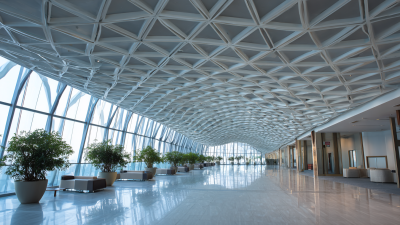
In commercial spaces, suspended metal ceilings offer acoustic benefits and enhance the overall aesthetic appeal. They are often used in offices, retail stores, and airports. The ability to easily access overhead systems is a key advantage. This allows for efficient maintenance and upgrades without disrupting business operations. Furthermore, the reflective properties of metal ceilings can improve lighting efficiency, leading to energy savings. However, installation costs can be higher than traditional ceiling options, which may deter some budget-conscious projects.
In industrial settings, suspended metal ceilings provide durability and resistance to moisture and chemicals. This makes them suitable for warehouses and manufacturing facilities. Yet, some users report difficulties in achieving the desired look due to color limitations. Feedback suggests that exploring various finishes can lead to better outcomes. Additionally, while they offer long-term benefits, the initial investment can raise questions about cost-effectiveness in smaller projects.
What is a Suspended Metal Ceiling and Its Benefits? - Applications and Use Cases for Suspended Metal Ceilings
| Application Area |
Benefits |
Use Case Example |
| Commercial Buildings |
Durability, Aesthetic Appeal |
Offices, Shopping Malls |
| Industrial Facilities |
Fire Resistance, Easy Maintenance |
Manufacturing Plants, Warehouses |
| Healthcare Facilities |
Hygienic, Acoustic Performance |
Hospitals, Clinics |
| Educational Institutions |
Sound Absorption, Versatility |
Schools, Universities |
| Restaurants |
Enhances Ambiance, Easy Installation |
Dining Areas, Cafes |
Maintenance and Care Tips for Suspended Metal Ceilings
Suspended metal ceilings require specific maintenance to maintain their aesthetic appeal and functionality. Regular inspections are crucial. Check for grime and damage. According to the International Facility Management Association (IFMA), facilities that invest in maintenance can improve lifespan by an impressive 30%. Keeping ceilings clean prevents material degradation and maintains visual appeal.
Cleaning should occur at least every six months. Use a microfiber cloth or soft brush to remove dust. Avoid abrasive materials that could scratch the surface. Ten percent of building owners overlook this step, leading to a decrease in ceiling performance. Applying a gentle cleaning solution can help remove stains without harm.
Humidity is a significant issue. In damp conditions, metal ceilings can experience rust. A 2021 report by the American Society of Interior Designers highlighted that 20% of metal ceiling failures occur due to poor humidity control. Using dehumidifiers in high-risk areas can solve this problem. Routine checks for rust spots ensure ceilings remain intact. Attention to these details promotes longevity and enhances overall aesthetics.
Benefits of Suspended Metal Ceilings
The chart above illustrates the various benefits of suspended metal ceilings, assessed on a scale from 1 to 10. Key advantages include excellent acoustic performance and durability, making them a popular choice in modern architecture. The easy maintenance and aesthetic appeal further enhance their value in commercial and residential spaces.