What is Steel Stud Framing and How is it Used?
Steel Stud Framing has revolutionized the construction industry by providing a lightweight yet durable alternative to traditional wood framing. According to a recent report by the Steel Framing Alliance, approximately 30% of new commercial buildings now utilize steel stud systems. Experts agree that this trend is on the rise due to the material's strength and sustainability.
John Smith, a leading expert in structural engineering, states, "Steel Stud Framing offers both resilience and flexibility, making it a top choice for contemporary builds." This innovative framing method not only enhances design possibilities but also meets the increasing demand for eco-friendly construction practices. With its resistance to termites and mold, steel framing often results in lower long-term maintenance costs.
However, it's essential to consider potential challenges. The initial costs can be higher compared to wood framing, which may deter some builders. Furthermore, the installation process requires specialized training to ensure structural integrity. As the industry evolves, ongoing education and adaptation to new techniques will be crucial for maximizing the benefits of Steel Stud Framing.
What is Steel Stud Framing?
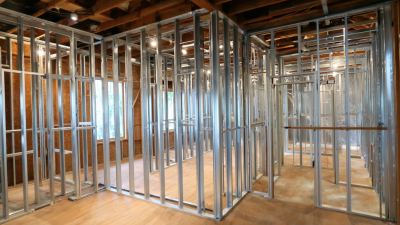
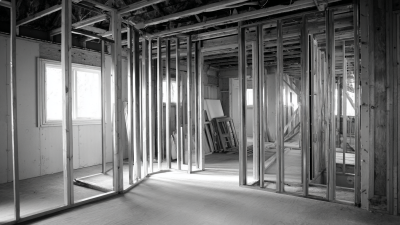
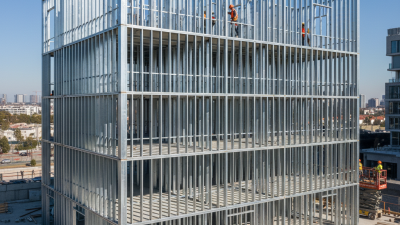
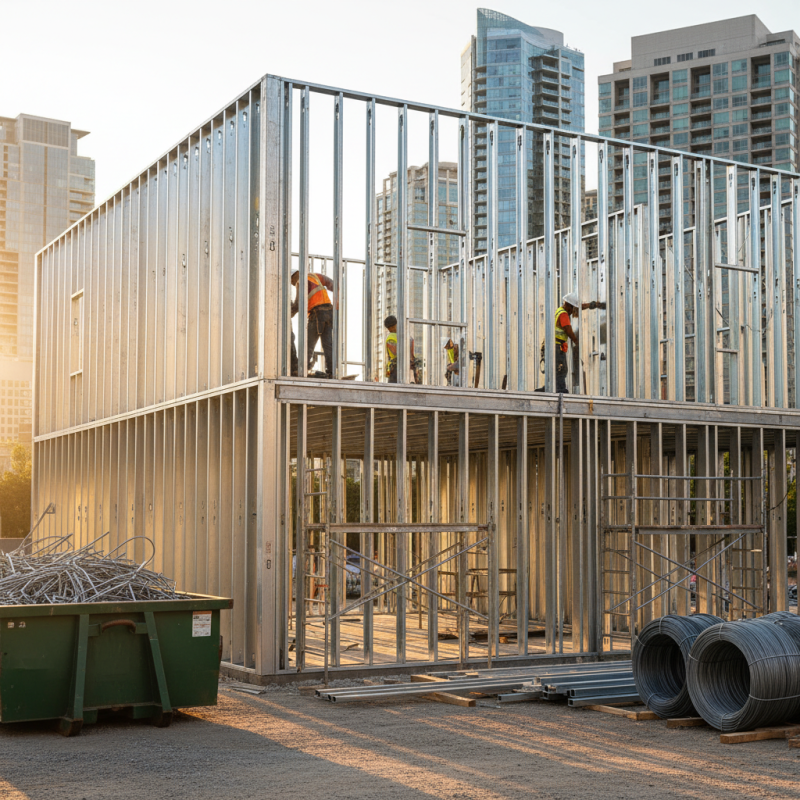
Steel stud framing is a construction method that utilizes steel columns and studs to create walls and support structures. This technique is becoming increasingly popular due to its strength and durability. Unlike traditional wood framing, steel studs are resistant to termites and do not warp, making them a reliable choice for many builders. They are commonly used in commercial buildings, schools, and hospitals, where longevity and safety are essential.
When selecting steel stud framing, consider the thickness and spacing of the studs. A common thickness is 25 gauge, suitable for interior walls. For exterior applications, 20 gauge may be more appropriate for added strength. Ensure the spacing is consistent, typically 16 or 24 inches apart, to provide optimal support for drywall and other materials.
Tips: Always check for any corroded areas on steel studs before installation. This can impact overall stability. Consider the local climate too, as moisture can affect the integrity of the framing over time. Regular inspections are valuable to catch any potential issues early.
What is Steel Stud Framing and How is it Used?
| Dimension |
Description |
Uses |
| Gauge |
The thickness of steel studs, typically ranges from 20 to 12 gauge. |
Used in wall framing for commercial and residential buildings. |
| Height |
Available in various heights, commonly from 3 to 12 feet. |
Ideal for both single and multi-story buildings. |
| Weight |
Lightweight compared to traditional wood framing. |
Facilitates easier handling and installation on-site. |
| Fire Resistance |
Non-combustible material, providing better fire protection. |
Used in areas requiring strict fire codes. |
| Moisture Resistance |
Resistant to mold and rot unlike wood framing. |
Suitable for humid or wet environments. |
Key Components of Steel Stud Framing
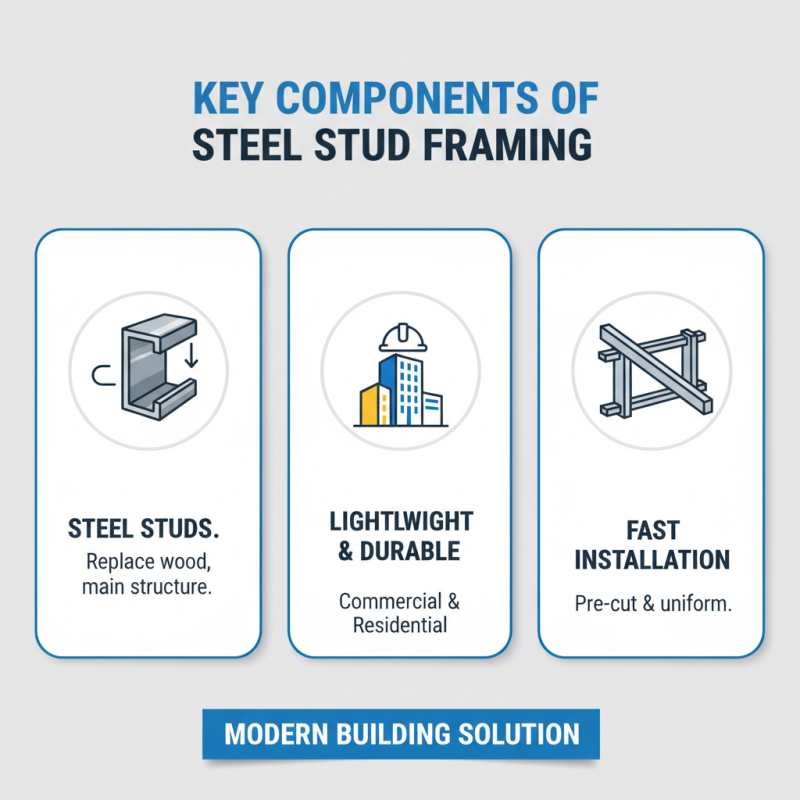
Steel stud framing is a popular construction method that utilizes steel studs as the main structural component. These steel studs replace traditional wooden framing. They offer a lightweight yet durable solution for both commercial and residential buildings.
The key components of steel stud framing include steel studs, tracks, and connectors. Steel studs come in various gauges and lengths, allowing for flexibility in design. Tracks are horizontal pieces that serve as a guide for the vertical studs. Connectors, such as screws and clips, secure the assembly together. This framing system is fire-resistant and does not warp or shrink like wood, making it a reliable option.
When using steel stud framing, careful planning is essential. Consider the weight of materials and ensure proper load-bearing capacities. Installing insulation between the studs can enhance energy efficiency. Tips for success include measuring twice before cutting and using the proper tools for assembly. Ensure that all components fit snugly, as any gaps can lead to structural issues later. Remember, attention to detail can make a significant difference in the final outcome.
Advantages of Using Steel Studs in Construction
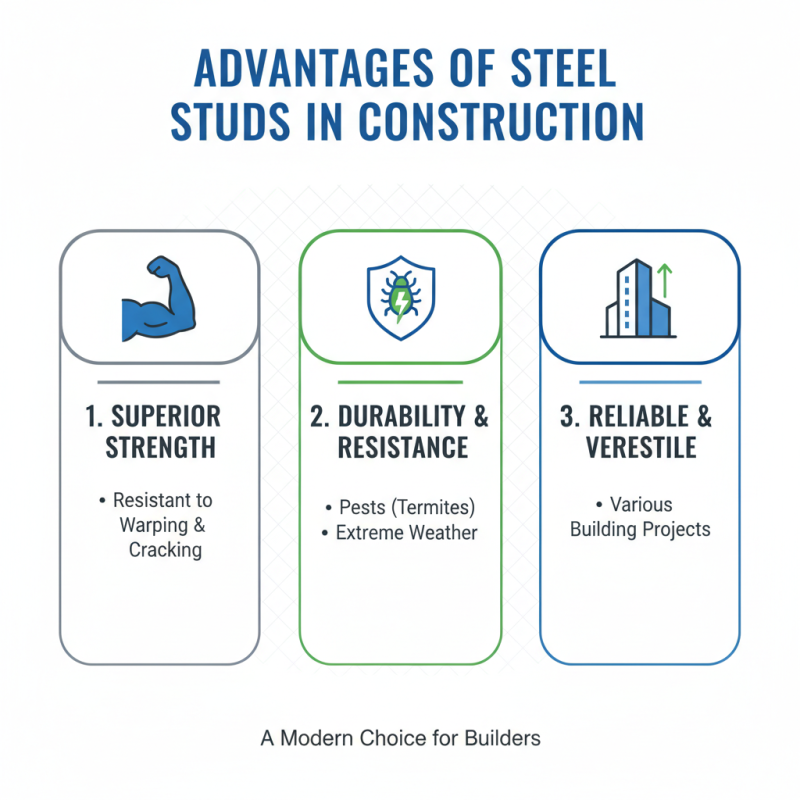
Steel stud framing has gained popularity in construction due to its numerous advantages. Unlike traditional wood framing, steel studs offer superior strength and durability. They are resistant to warping, cracking, and pests. This makes them a reliable choice for various building projects. Builders appreciate these benefits, especially in areas prone to termites and extreme weather.
Another significant advantage of steel studs is their lightweight nature. This factor can reduce transportation and labor costs. Contractors find it easier to handle and install steel studs compared to heavier materials. Additionally, steel framing allows for easier adjustments during construction. The precision of steel framing can lead to fewer on-site errors. However, working with steel may require specialized tools and training.
Sustainability is another crucial aspect. Steel is recyclable, which adds to its appeal. Using steel reduces the environmental impact of construction. Still, it’s vital to consider the energy used in production. Balancing these factors can lead to a more sustainable approach. Builders are increasingly prioritizing eco-friendly practices. As construction technology continues to evolve, steel's role may become even more essential.
Common Applications of Steel Stud Framing
Steel stud framing has become an essential element in modern construction. Its versatility makes it suitable for various applications, primarily in commercial and residential projects. According to industry reports, the use of steel stud framing has grown by nearly 25% over the past five years within the construction sector. This growth reflects a shift toward sustainable practices and durability.
One common application of steel stud framing is in interior partitions. This method allows for quick assembly and reconfiguration of spaces, optimizing functionality. Industry data reveals that about 70% of commercial spaces now utilize steel studs for their walls. Additionally, steel studs offer a fire-resistant option, enhancing safety in buildings. They also help reduce waste during construction due to their precise manufacturing.
Despite these advantages, challenges remain. The installation process can sometimes be complicated, requiring skilled labor and careful planning. Also, potential issues like corrosion in damp environments need to be addressed. As the industry evolves, continuous improvement in installation methods is critical. Keeping these factors in mind can lead to more efficient and reliable construction practices using steel stud framing.
Installation Process for Steel Stud Framing
The installation process for steel stud framing begins with planning and measurements. Professionals typically assess the building's requirements to ensure structural integrity. Accurate measurements are essential for fitting the steel studs properly. According to the Steel Framing Alliance, steel stud framing can reduce construction waste by over 30%. This is a significant benefit considering the environmental impact of construction practices.
Once the layout is finalized, installers handle the steel studs and tracks. They cut the materials to size using specialized tools. The studs are then secured into place using screws or welding techniques. A study by the American Iron and Steel Institute indicates that steel framing can save time during installation due to its lightweight nature. However, misalignment can lead to challenges, requiring experienced professionals to address issues promptly.
Finally, installers often cover the framed structure with drywall or other materials. This step is crucial for both insulation and aesthetic purposes. While steel studs provide durability, they may require additional soundproofing treatments. Refining these details can significantly enhance the final result. In practice, contractors must remain vigilant to avoid common installation pitfalls, ensuring that the framework meets the necessary building codes.
Steel Stud Framing Usage Overview