Mastering Steel Stud Wall Framing: Tips for Efficient Installation and Design
In the ever-evolving world of construction, mastering Steel Stud Wall Framing has become increasingly essential for both efficiency and durability in building design. According to the Steel Framing Alliance, steel framing materials have gained traction due to their lightweight properties, resistance to pests, and enhanced fire safety, leading to a notable increase in their usage from only 20% in the early 2000s to over 45% in the residential sector today.
Furthermore, a report by the American Iron and Steel Institute highlights that steel framing can significantly reduce waste during construction, improving overall project timelines and environmental sustainability. With the growing demand for sustainable building practices and high-performance structures, understanding the best practices for Steel Stud Wall Framing is crucial for architects, builders, and contractors aiming to optimize their projects while adhering to modern building codes and standards.
Understanding the Basics of Steel Stud Wall Framing
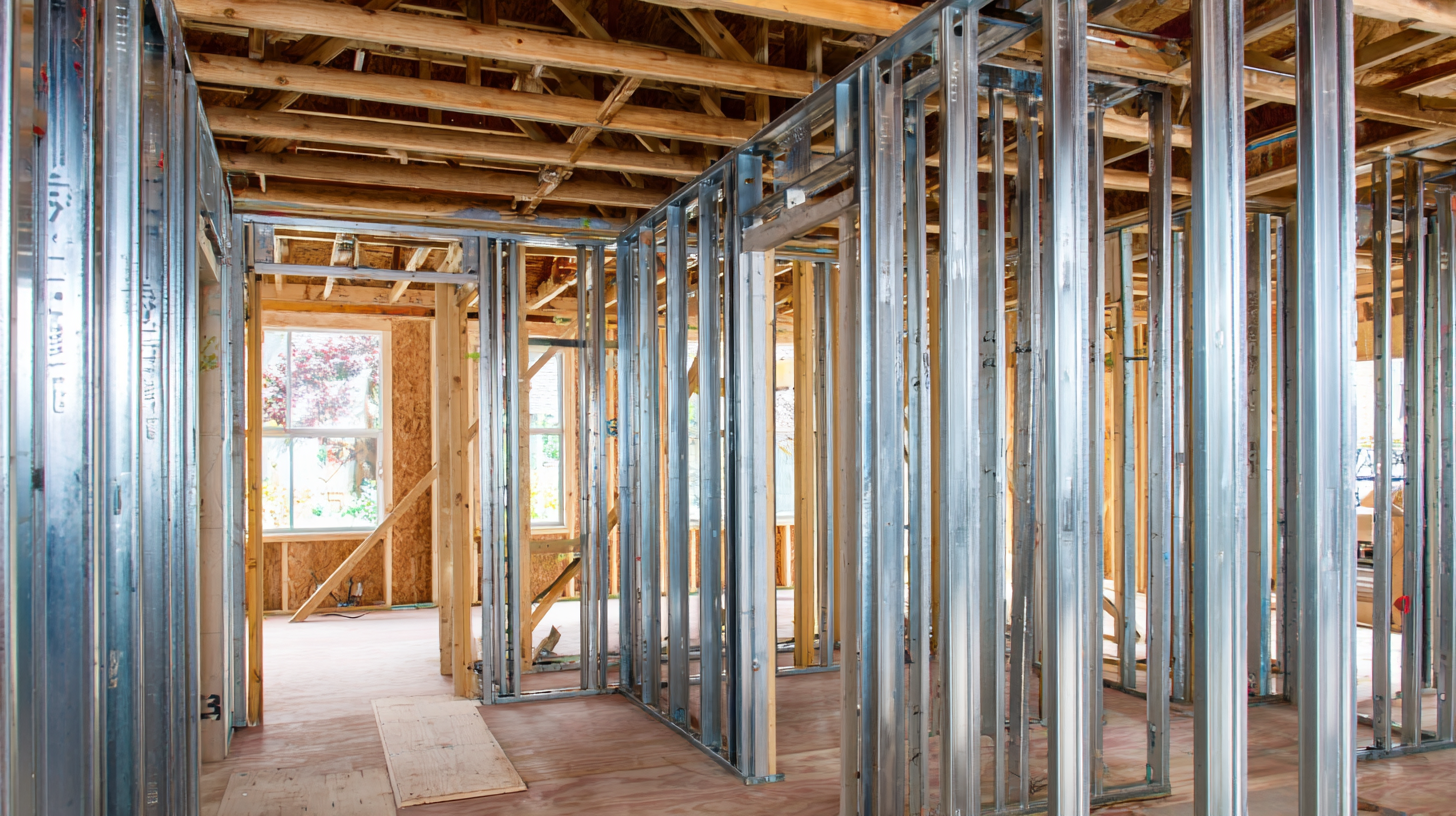 Steel stud wall framing is a pivotal aspect in modern construction, particularly valued for its efficiency and adaptability. Understanding the fundamentals of steel stud wall systems is crucial for any builder or architect. Steel studs are galvanized, providing superior resistance to moisture and pests compared to traditional wood framing. This choice not only contributes to a longer lifespan but also enhances structural integrity, especially in seismic zones where shear walls are essential for maintaining stability against lateral forces. According to recent studies, integrating shear walls in designs can reduce structural stress significantly, ensuring safety and durability for residential buildings.
Moreover, steel stud walls offer impressive flexibility in design. They can easily accommodate changes during construction, allowing for modifications to layouts without substantial material waste. Agencies have reported that the use of insulated steel stud walls can improve a building’s overall energy efficiency by maintaining a more airtight envelope, critically important in regions prone to high winds and moisture infiltration. This not only optimizes heating and cooling costs but also supports sustainability efforts by minimizing energy consumption. As construction technology evolves, embracing steel framing will likely become more prevalent for its enhanced performance and design versatility.
Essential Tools and Materials for Steel Stud Framing
When it comes to steel stud wall framing, selecting the right tools and materials is essential for achieving efficiency and durability. According to a report by Research and Markets, the global steel framing market is expected to reach $8.9 billion by 2026, driven by the growing demand for sustainable and resilient construction materials. A highly recommended toolkit should include a metal-cutting saw, stud finder, and track layout tool, which can significantly enhance precision during installation. Moreover, utilizing a quality screw gun designed for metal studs assures time-saving installation and reduces the risk of material damage.
In terms of materials, steel studs typically come in gauge sizes ranging from 20 to 12, with 20-gauge being the most common for non-load-bearing walls. The choice of gauge directly impacts the strength and stability of the frame, emphasizing the importance of selecting the appropriate thickness based on project requirements. Additionally, incorporating accessories like track connectors and anchor bolts can improve the overall integrity of the wall system. The American Iron and Steel Institute highlights that using galvanized steel for framing can enhance corrosion resistance, making it a superior choice for humid or moisture-prone environments.
Step-by-Step Guide to Installing Steel Stud Walls
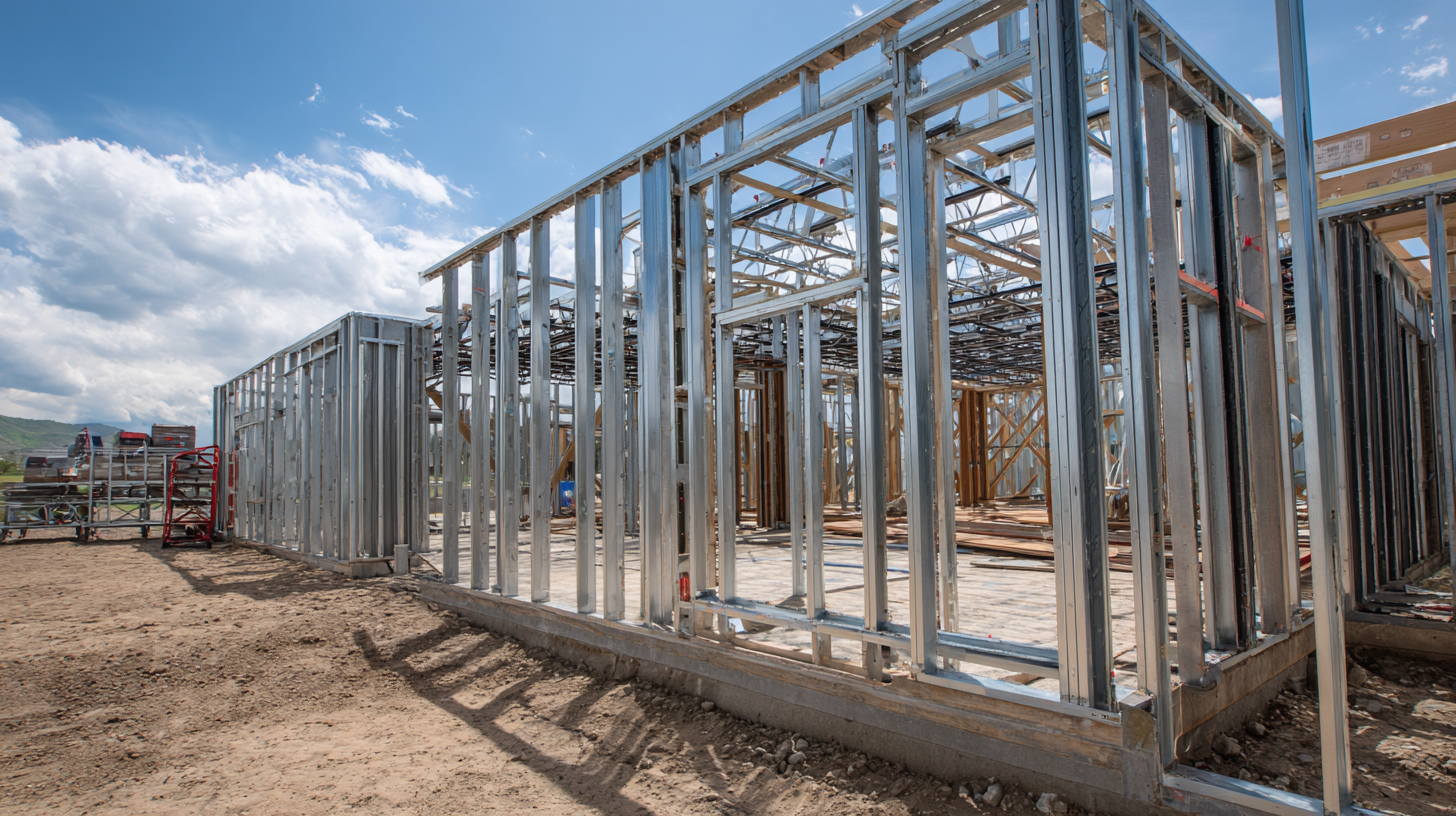
When it comes to installing steel stud walls, understanding the materials and methods involved is crucial for ensuring efficient construction and optimal performance. In recent years, innovative materials have emerged, enhancing the benefits of steel framing. For instance, utilizing specialized soundproofing materials can effectively mitigate noise transmission, an essential consideration for residential and commercial projects alike. According to industry reports, buildings utilizing high-quality soundproofing materials can experience reductions in sound transmission by up to 45 decibels, significantly enhancing the living and working environments.
Furthermore, the choice of core materials in your steel stud wall can impact not only fire resistance but also insulation properties. Materials designed with dual functions, such as thermal and sound insulation, can reduce energy consumption by up to 30%. This makes them an appealing option for architects and builders focused on sustainability and efficiency. In regions with stringent building codes, opting for advanced materials can ensure compliance while delivering superior performance, from fire safety to energy efficiency. Implementing these strategies during installation can lead to more durable, high-performing steel stud walls that meet modern building standards.
Design Considerations for Efficient Steel Stud Framing
When designing efficient steel stud framing, several key considerations must be addressed to ensure structural integrity and functional performance. First, understanding the weight and load distribution is crucial. Steel studs are typically lighter than traditional wood framing, but they must still support the necessary loads without compromising stability. This requires proper spacing between studs, usually ranging from 16 to 24 inches, depending on the wall's intended use and the materials that will be attached to it.
Additionally, insulation and soundproofing are important factors to integrate into the design phase. Steel studs have a higher sound transmission rate compared to wood, making it essential to incorporate acoustic insulation within the framing. Selecting the appropriate insulation type not only enhances acoustic performance but also improves energy efficiency. Furthermore, attention should be given to the wall's finish and the placement of electrical and plumbing elements. Pre-planning the locations of these components can minimize any disruptions during installation and ensure a seamless final outcome.
Mastering Steel Stud Wall Framing: Tips for Efficient Installation and Design
| Dimension |
Material Type |
Installation Time (hours) |
Cost per Unit ($) |
Insulation Type |
| 3.5" Stud |
Steel |
2 |
3.50 |
Fiberglass |
| 2.5" Stud |
Steel |
1.5 |
2.75 |
Foam |
| 5.5" Stud |
Steel |
3.5 |
4.50 |
Rockwool |
| 4" Stud |
Steel |
2.8 |
3.80 |
Cellulose |
| 6" Stud |
Steel |
4 |
5.00 |
Spray Foam |
Common Mistakes to Avoid in Steel Stud Wall Installation
When installing steel stud walls, avoiding common mistakes can significantly enhance both the efficiency of the project and the final outcome. One prevalent error is improper measurement; inaccurate dimensions can lead to misalignment and gaps, ultimately compromising the structural integrity of the wall. It is crucial to double-check all measurements and to account for tolerances that are necessary for the installation process. Implementing a systematic approach by marking both horizontal and vertical lines on the floor and ceiling can help guide the placement of the studs accurately.
Another mistake often encountered during steel stud wall installation is neglecting to use appropriate tools and fasteners. The use of incompatible screws or inadequate fastening methods can weaken the framework, especially in high-stress areas. Furthermore, overlooking the importance of proper bracing can result in a lack of stability for the wall. It’s essential to use the designated tools for cutting and joining steel studs, as well as to ensure that bracing is installed according to the building codes. By being mindful of these common pitfalls, builders can achieve a more reliable and durable steel stud wall system.