2026 How to Install Suspended Metal Ceiling Effectively?
In the modern construction industry, the adoption of Suspended Metal Ceilings is rapidly increasing. According to a recent report by Technavio, the global suspended ceiling market is projected to grow by over 5% annually through 2026. These ceilings enhance aesthetics and improve acoustics, making them popular in both commercial and residential buildings.
Effective installation of Suspended Metal Ceilings requires precision and expertise. A well-installed ceiling can significantly reduce sound transmission and energy costs. However, subpar installation can lead to sagging tiles and improper alignment. Creating an optimal environment relies on accurate measurements and skilled craftsmanship.
While managing installation challenges, it is crucial to consider environmental factors and material sustainability. Metal ceilings offer durability, but the installation process must prioritize safety. Thus, learning best practices from experienced professionals becomes essential. Continuous education in this field can prevent common pitfalls. Overall, a commitment to quality is vital for achieving long-lasting results with Suspended Metal Ceilings.
Understanding Suspended Metal Ceilings: Features and Benefits
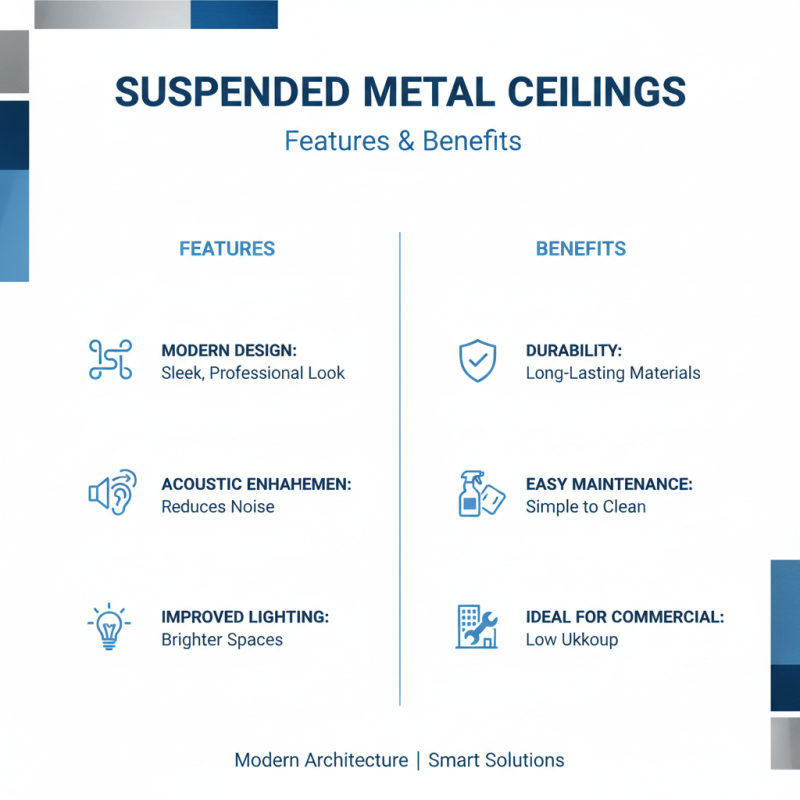
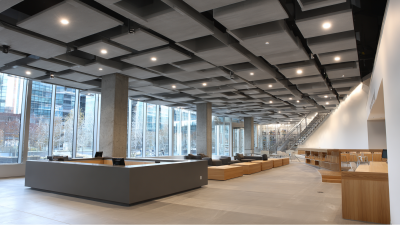
Suspended metal ceilings are becoming increasingly popular in modern architecture. They offer a sleek, professional look for various spaces. These ceilings can enhance acoustics and improve lighting. The materials used are often durable and easy to clean. This is vital for commercial spaces where maintenance is key.
One significant feature of suspended metal ceilings is their versatility. They can come in different designs and finishes, complementing various interior styles. However, installation can be challenging without proper guidance. It's easy to overlook the importance of a level framework during the setup. This may lead to an uneven appearance. Proper planning and measurement are crucial for a successful installation.
The benefits extend beyond aesthetics. Suspended metal ceilings can help manage sound levels, making spaces more comfortable. They also allow for easy access to plumbing and electrical systems above. However, installation mistakes can hinder these benefits. Ensuring that you follow best practices is essential. Consider consulting with professionals or using detailed guides for a better outcome.
Essential Tools and Materials for Installing Suspended Metal Ceilings
Installing suspended metal ceilings requires careful planning and the right tools. Essential tools include a ladder, a laser level, and a utility knife. The laser level is crucial for ensuring accurate alignment of the ceiling panels. According to industry reports, using a laser level can decrease installation time by up to 30%, improving overall efficiency.
Materials are equally important. You'll need metal grid systems, ceiling tiles, and suspension wires. The metal grid provides structural integrity, while the tiles enhance aesthetics. On average, metal ceiling tiles can weigh between 2 to 6 pounds per square foot. This weight necessitates strong supporting hardware to prevent sagging over time. Misjudging the weight could lead to safety hazards.
Proper training and knowledge of installation techniques greatly influence the outcome. Installers should be aware of local building codes and safety standards. Many professionals recommend attending workshops or certification programs for valuable insights. According to the International Association of Plumbing and Mechanical Officials, ongoing education increases installation quality and reduces errors. Neglecting these aspects can lead to costly repairs or renovations.
2026 How to Install Suspended Metal Ceiling Effectively? - Essential Tools and Materials for Installing Suspended Metal Ceilings
| Tool/Material |
Description |
Quantity Needed |
Estimated Cost ($) |
| Metal Grid System |
Framework that supports the ceiling tiles. |
200 sq ft |
150 |
| Ceiling Tiles |
Suspended tiles made from metal or other materials. |
200 sq ft |
300 |
| Suspension Wire |
Wire used to suspend the grid from the ceiling. |
100 ft |
20 |
| Cutting Tools |
Tools for cutting grid and tiles to size. |
1 |
40 |
| Level |
A tool for ensuring the grid is level. |
1 |
15 |
Step-by-Step Guide to Measuring and Planning Ceiling Layout
Measuring and planning the ceiling layout for a suspended metal ceiling is a crucial first step. Accurate measurements ensure a seamless fit and an aesthetically pleasing result. According to industry reports, a 5% error in measurements can lead to significant waste of materials and labor costs. Take the time to measure the length and width of the room. Use a laser measuring tool for precise results. Mark reference points on the walls, which will serve as guides during installation.
After you have your measurements, sketch the layout on graph paper. This visual step helps identify any obstacles like beams or vents. According to a study by the International Association of Certified Home Inspectors, failing to plan properly can lead to misaligned panels. A rough layout allows for adjustments before committing to the ceiling materials. Remember to account for light fixtures, HVAC vents, and any other enhancements in your plan. These elements may alter your spacing.
The materials chosen for the ceiling also require careful consideration. A professional report suggests using high-quality metal options for durability and aesthetic appeal. However, it’s important to balance quality with cost. Not all solutions are perfect. Installation may still arise with unforeseen challenges that call for quick adjustments. Don’t overlook these aspects when planning.
Installation Time for Suspended Metal Ceiling by Room Size
Installation Process: Hanging the Grid System and Adding Panels
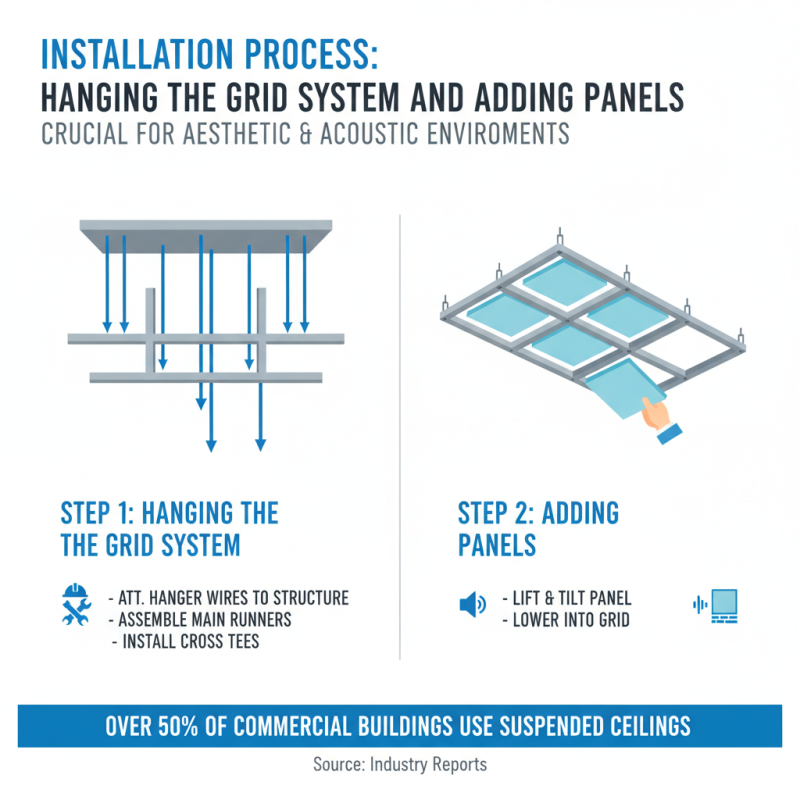
The installation of a suspended metal ceiling is a crucial process that can significantly influence the aesthetic and acoustic environment of a space. According to industry reports, over 50% of commercial buildings incorporate suspended ceilings, highlighting their popularity. This makes understanding the installation methods essential for installers.
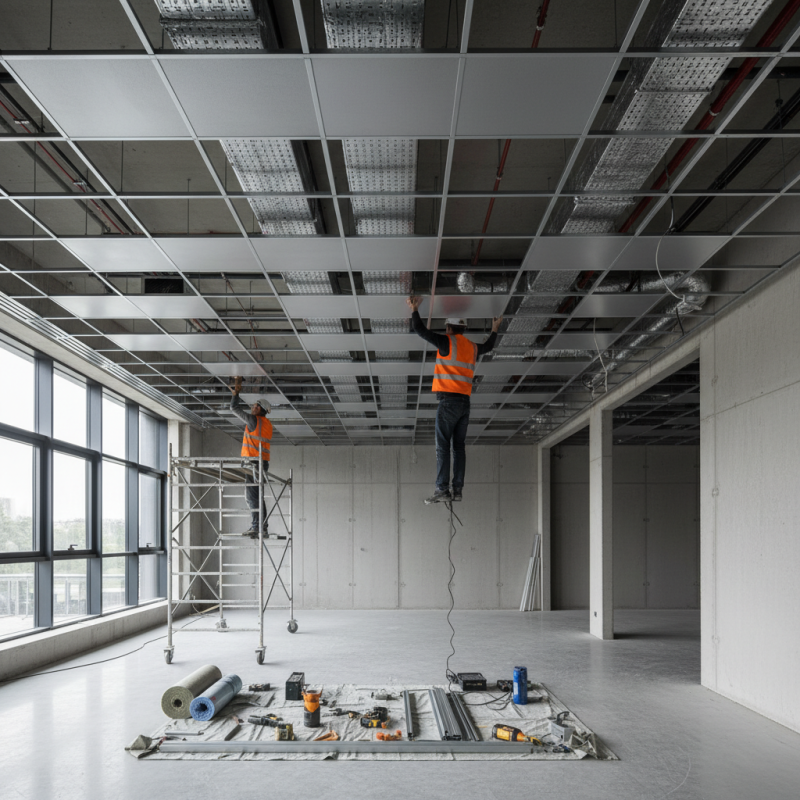
To begin, setting up the grid system is vital. The layout should be planned based on the room dimensions. It's important to use a chalk line to mark where the main tees will hang. Typically, these tees are spaced 4 feet apart. After installing the main tees, secondary tees are added perpendicular to them. Each intersection should be secured properly. Failure to do so can lead to instability, requiring rework and additional costs.
When adding panels, ensure that they fit snugly into the grid. Taking accurate measurements helps prevent gaps. It's common for panels to be damaged during transport, which can result in a poor final look. Confirming their condition prior to installation is essential. Troubles may arise if the panels are not handled correctly. The challenge lies in making sure the entire grid system aligns well with the architectural elements of the building. This step is crucial for achieving the desired ceiling effect.
Finishing Touches: Access Panels, Lighting, and Maintenance Tips
When installing a suspended metal ceiling, attention to finishing touches is crucial. Access panels are often overlooked yet play a vital role in maintenance. According to industry data, nearly 30% of building maintenance issues stem from poor access to utilities. Properly placed access panels can mitigate these problems. They provide quick entry for inspections, reducing downtime. Ensure panels are seamlessly integrated into the ceiling design for minimal visual impact.
Lighting is another key aspect of suspended ceilings. Studies show that well-designed lighting can improve employee productivity by up to 15%. Using LED fixtures within the ceiling structure enhances energy efficiency and lifespan. Consider adjustable lighting to adapt spaces for different activities or moods. Integrating lighting with ceiling grids may require careful planning to avoid complications.
Regular maintenance is essential for longevity. Routine checks help identify signs of wear or damage. Though suspended ceilings are durable, they can suffer from water damage or sagging, especially in humid areas. Experts recommend inspections every six months. Timely repairs can save costs and maintain aesthetics. Prioritize these elements to ensure the functionality and appeal of your suspended metal ceiling.