10 Essential Tips for Mastering Metal Studwork in Your Projects?
Metal Studwork is a crucial component in modern construction, providing flexibility and strength for various projects. According to construction expert John McCarthy, "Mastering metal studwork transforms your design visions into reality." His insights highlight the importance of understanding this material and its installation techniques.
When approaching metal studwork, grasping the fundamentals is key. The right tools can make a huge difference. Ensure precision in your measurements; inaccurate cuts can lead to costly mistakes. Always remember that mistakes are learning opportunities. Each flaw teaches us something valuable, pushing us towards mastery.
Working with metal studs requires patience and practice. Beginners might struggle with alignment, compromising the overall integrity. It's essential to reflect on each step. Engage in continuous learning and ask for feedback. Embracing these challenges will inevitably lead to improvement in your metal studwork skills.

Understanding Metal Studwork: Benefits and Applications in Construction
Metal studwork has gained traction in modern construction due to its numerous advantages. It is lightweight, making it easier to transport and install on-site. According to recent industry reports, the use of metal studs can reduce construction time by up to 20%. This efficiency is particularly beneficial for large-scale projects, where time is money. Metal studs also demonstrate impressive resistance to fire, pests, and moisture, contributing to a safer and longer-lasting structure.
Applications of metal studwork are diverse. They are widely used for interior partitions, framing, and ceiling systems. In commercial buildings, around 85% of non-load bearing walls utilize metal studs. This trend is rising in residential construction as well, where homeowners seek durable alternatives to traditional wood framing. While metal studs offer many benefits, challenges exist. Their installation requires specialized tools and knowledge, which can lead to mistakes if poorly handled. Understanding these nuances is critical for achieving successful results in your projects.
Understanding Metal Studwork: Benefits and Applications in Construction
Essential Tools and Materials Needed for Metal Stud Framing
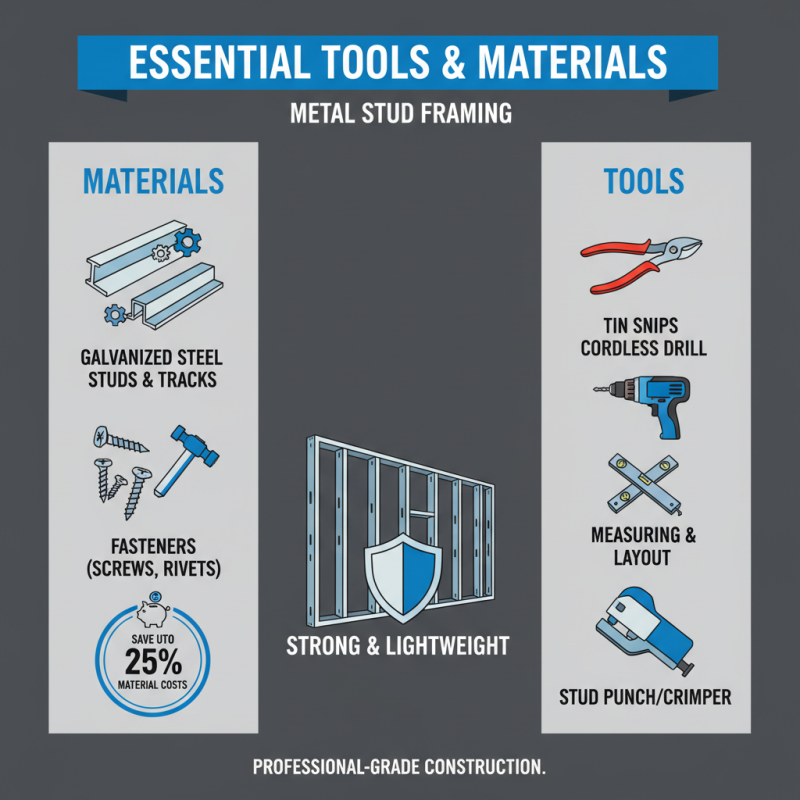
Metal stud framing is a popular choice in construction for its strength and lightweight properties. To effectively master this technique, having the right tools and materials is essential. Standard materials include metal studs, track, and various fasteners. A professional-grade metal stud is often made from galvanized steel, which can resist corrosion and increase longevity. The industry reports indicate that metal framing systems can save up to 25% in material costs compared to traditional wood framing.
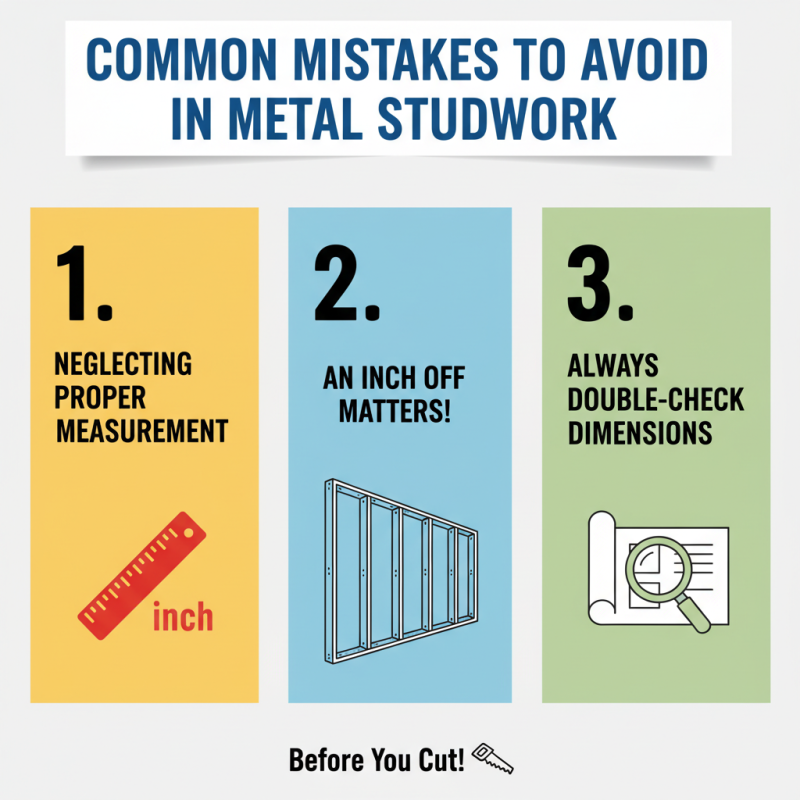
Using proper tools enhances efficiency. A metal stud cutter, screw gun, and level are paramount to a successful project. While a screw gun efficiently fastens studs, a laser level helps ensure precision. Always wear safety gear. This adds an extra layer of protection against workplace accidents. Mistakes can happen. Ensure every measurement is double-checked before cutting. This reduces errors and wastage.
Consider investing in lightweight power tools. They offer better maneuverability and less fatigue during long projects. Look out for the weight rating of all tools. This matters when working with heavier steel studs. Always remember to follow local codes and standards. They provide guidelines for both safety and structural integrity. Working with metal requires a clear understanding of these regulations.
Step-by-Step Guide to Installing Metal Studs Efficiently
Installing metal studs can enhance durability and efficiency in construction projects. Accurate measurements are crucial. According to the Gypsum Association, nearly 70% of construction errors originate from measurement mistakes. Ensuring precise cuts can save both time and material costs.
Start by preparing your tools and materials. A level and stud finder can make a significant difference. For example, using a powered screwgun improves installation speed. Studies show that using a screwgun can reduce installation time by up to 30%. Remember to check for electrical and plumbing layouts before you begin. Misalignment or improper placement can lead to significant rework.
During installation, positioning the studs correctly is essential. A common mistake is spacing them improperly. For most interior walls, studs should be 16 inches apart. This standard allows for enhanced stability and load-bearing capacity, according to industry guidelines. It’s vital to remain vigilant throughout the project. Overlooking small details can lead to larger issues down the road. Reflecting on mistakes during the process can prevent costly errors in future projects.
10 Essential Tips for Mastering Metal Studwork in Your Projects
| Tip Number |
Tip Description |
Expected Outcome |
| 1 |
Choose the right type of metal studs based on project requirements. |
Improved durability and stability. |
| 2 |
Utilize proper tools for accurate cutting and shaping. |
Enhanced precision in installation. |
| 3 |
Measure and mark all studs before installation. |
Reduced errors and material waste. |
| 4 |
Ensure proper alignment of studs during installation. |
Straight and level structures. |
| 5 |
Secure studs properly using screws or fasteners. |
Increased structural integrity. |
| 6 |
Use diagonal braces to enhance framing strength. |
Improved load-bearing capacity. |
| 7 |
Install drywall perpendicular to metal studs. |
Better support and reduced cracking. |
| 8 |
Avoid over-tightening screws to prevent damage. |
Prevention of material deformation. |
| 9 |
Plan for electrical and plumbing installations before framing. |
Easier future access for repairs. |
| 10 |
Regularly inspect and maintain systems to ensure longevity. |
Increased lifespan of metal stud framing. |
Industry Standards and Code Compliance for Metal Stud Framing
When working with metal stud framing, understanding industry standards is crucial. Compliance with local building codes ensures safety and durability. Each region has specific regulations regarding stud spacing, fire resistance, and weight bearing. For instance, wall studs may need to be spaced either 16 or 24 inches apart based on the type of wall system. These measurements are grounded in structural integrity.
It is essential to pay attention to the materials used in your framing. Not all metal studs are created equal. Some may not meet the minimum thickness for construction purposes. Always verify that your materials have the appropriate certifications. Working with non-compliant materials can lead to significant issues down the road, like structural failure or code violations.
Installation techniques also adhere to industry standards. Proper alignment and attachment are critical for stability. Many projects miss the mark here. Double-check your connections to ensure they are secure. A loose stud can compromise the entire wall. Regularly reviewing standards can help prevent mistakes. Reflecting on previous projects can provide insight into areas for improvement. This helps ensure your metal studwork is up to code for years to come.