Aluminum foil ceiling tiles offer a unique combination of aesthetics and functionality. Their reflective surface enhances light distribution, making any space feel brighter. According to the National Association of Ceiling Manufacturers, aluminum tiles can improve energy efficiency by up to 25%. This reduction in energy consumption not only benefits the environment but also lowers electricity bills.
Choosing these tiles can be influenced by various factors. Always consider the specific needs of your environment. For instance, in high-humidity areas, ensure the tiles are corrosion-resistant. The tiles are lightweight, making installation easier but can be tricky if not handled properly. Pay close attention to the thickness and design options available. They come in various patterns that can add depth to your rooms.
A few essential tips include checking for certifications and ratings. Look for products with good fire ratings, which indicate safety. Inspect the installation requirements to avoid unexpected costs. Weigh the long-term benefits against initial investment costs. Remember, while they might seem perfect, surface scratches can occur. Authenticity matters; always choose reputable suppliers. By prioritizing these aspects, the right aluminum foil ceiling tiles can transform your space effectively.
| Tip | Description | Benefits | Considerations |
|---|---|---|---|
| 1. Evaluate Purpose | Determine the main function of the ceiling tiles in your space. | Enhances aesthetics and functionality. | Consider the environment where they will be installed. |
| 2. Check Thickness | Choose tiles with appropriate thickness for durability. | Long-lasting performance and resistance to damage. | Thicker tiles may be heavier. |
| 3. Evaluate Design Options | Consider various design patterns available. | Creates unique and visually appealing ceilings. | Some designs may be difficult to clean. |
| 4. Energy Efficiency | Look for tiles that reflect heat and light. | Improves room temperature control and reduces energy costs. | Performance can vary based on location. |
| 5. Moisture Resistance | Select tiles designed for high humidity areas. | Prevents mold and deterioration. | Not all tiles are suitable for wet conditions. |
| 6. Fire Safety Ratings | Check the fire safety certifications. | Increases safety in case of fire. | Higher ratings may limit design choices. |
| 7. Installation Method | Decide between suspended or adhesive installation. | Flexible options for installation based on space. | Installation method can affect appearance. |
| 8. Budget Considerations | Determine your budget early in the selection process. | Helps narrow down options effectively. | High-quality tiles may cost more upfront. |
| 9. Warranty Options | Look for tiles with a good warranty. | Protects your investment over time. | Limited warranty may indicate lower quality. |
| 10. Reviews and Recommendations | Research customer reviews and expert recommendations. | Gives insight into product reliability. | Not all reviews may be reliable. |
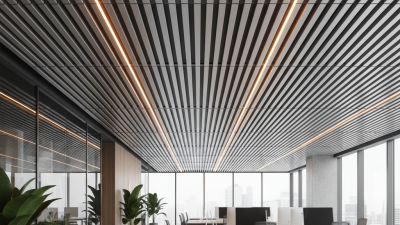
When choosing aluminum foil ceiling tiles, design plays a critical role. Different styles can drastically change the look of a room. You might be considering modern geometric patterns or traditional embossed designs. Each style carries its own aesthetic appeal and can complement various décor themes.
Consider the colors available in aluminum tiles. Some tiles come in metallic finishes that reflect light beautifully. Others may feature bold colors that can serve as statement pieces. Think about how these choices will interact with your lighting and existing furniture. Also, evaluate the tile size and shape. Large tiles can create a seamless look, while smaller tiles offer more customization options.
You may find the installation process tricky. Make sure you understand how each design modifies space. Some tiles can make a room feel smaller, while others enhance height. Experimenting with layouts is essential in your decision-making. Keep all these design elements in mind as you choose aluminum foil ceiling tiles for your space.
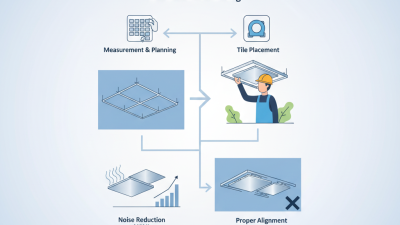
When selecting aluminum foil ceiling tiles, size and installation requirements are critical factors. According to a report by the Ceilings and Interiors Association, 70% of ceiling issues arise from improper sizing. Accurate measurements are essential. Check the dimensions of the room before purchasing tiles. An ill-fitting tile can lead to gaps, affecting the overall aesthetic and functionality.
Installation can vary based on the type of ceiling your space has. Some tiles are designed for drop ceilings, while others are for direct installation. The National Institute of Building Sciences recommends a minimum tile thickness of 0.015 inches for durability. Installation complexity affects your choices. DIY installations can be challenging for intricate designs. Inadequate expertise may lead to mistakes, which can ultimately incur additional costs.
Pay attention to the weight of the tiles. Lighter tiles are easier to install but may not offer the same durability as heavier options. It’s beneficial to consult industry guidelines and seek professional advice. This ensures that your choice meets both visual and functional needs. Often, it's about striking a balance between beauty and practicality.
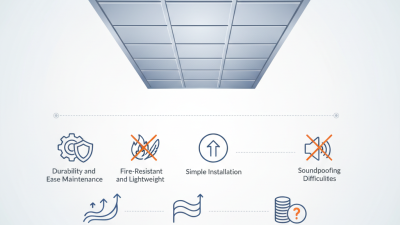
When considering aluminum ceiling options, durability and maintenance are critical factors. Aluminum is known for its resistance to corrosion, making it a suitable choice for various environments. It endures moisture and won’t warp over time, unlike materials such as wood. However, while aluminum's surface may resist stains, it can still accumulate dust and residue.
Regular cleaning is essential to keep aluminum ceiling tiles looking fresh. A simple mixture of mild detergent and water is often sufficient. Avoid harsh chemicals, as these can damage the finish. Inspecting the tiles periodically for dents or scratches is wise. Although aluminum is tough, it’s not entirely impervious to impact. Small damages can affect appearance and performance.
Maintenance practices should include checking for proper installation. Poor installation can lead to misalignment or gaps. These gaps may allow dust to accumulate and moisture to enter. Misalignment could compromise the visual appeal of the ceiling. In this light, investing in professional installation can save time and ensure long-term satisfaction. Balancing durability with aesthetic choices will help you make a more informed decision.
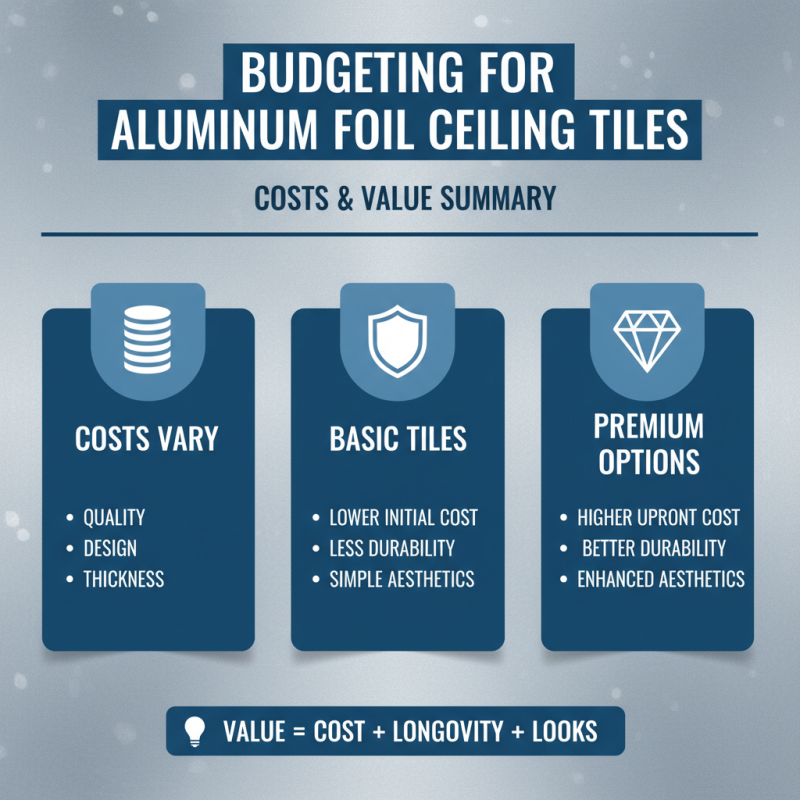
When considering aluminum foil ceiling tiles, budgeting is critical. The costs can vary significantly depending on the quality, design, and thickness of the tiles. Basic tiles might cost less, but opting for higher-quality options can provide better durability and aesthetics.
A careful calculation of your overall budget is essential. Think about installation costs as well, as some tiles require professional help for proper fitting. If you’re a DIY enthusiast, consider cost-saving options to do it yourself. However, be aware that poor installation might lead to headaches later on. Checking local suppliers can uncover hidden gems that get the job done without breaking the bank.
Value is a crucial aspect too. Aluminum foil tiles can enhance energy efficiency through their reflective properties. This may lead to reduced energy costs in the long run. On the flip side, the initial cost might feel steep. Weighing short-term expenses against long-term savings is vital. Reflect on what you need versus what looks appealing. This balance is key when selecting your ceiling tiles, ensuring you make a wise investment.