How to Effectively Use Metal Studwork in Modern Construction Techniques
In the realm of modern construction techniques, Metal Studwork has emerged as a vital component due to its numerous advantages over traditional materials. This innovative approach enables builders to create strong, lightweight frameworks that enhance structural integrity and reduce overall project weight. As construction methods evolve, the need for versatile and efficient materials becomes paramount, and Metal Studwork fits seamlessly into this need.
By utilizing Metal Studwork, construction professionals can streamline their processes, save time, and achieve greater precision in their projects. Whether for residential, commercial, or industrial applications, understanding how to effectively employ Metal Studwork is essential for any modern contractor.
This guide will explore practical strategies, best practices, and tips for harnessing the full potential of Metal Studwork, ensuring that construction projects meet contemporary demands while maintaining high standards of quality and sustainability.
Understanding the Benefits of Metal Studwork in Contemporary Building Design
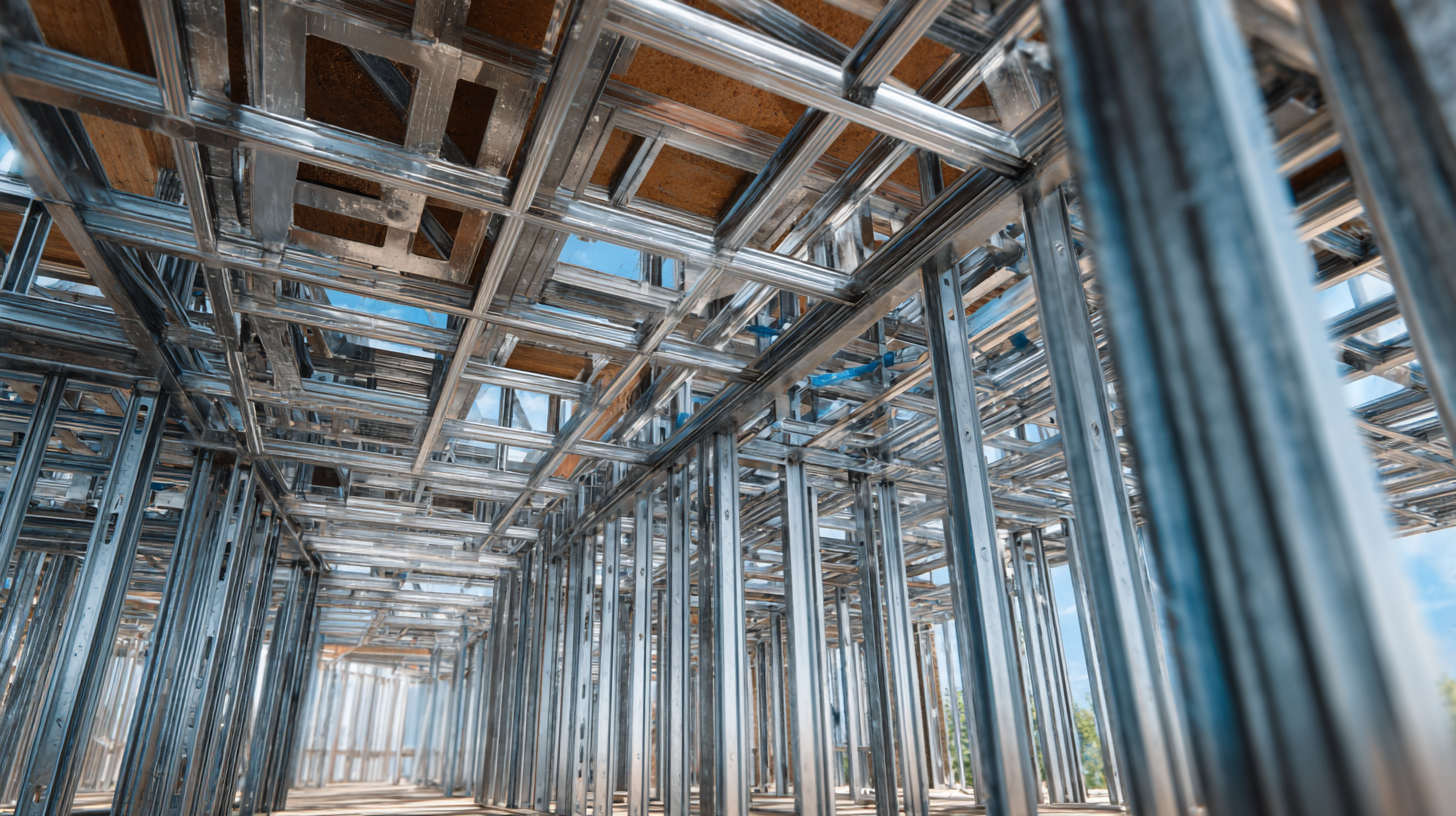 Metal studwork has become increasingly popular in contemporary building design due to its numerous advantages over traditional timber framing. According to the Gypsum Association, buildings utilizing metal stud framing can achieve up to a 30% reduction in overall construction time, making it a favorable choice for modern projects. This efficiency stems from the lightweight nature of metal studs, which simplifies transportation and installation, ultimately translating to lower labor costs.
One significant benefit of metal studwork is its enhanced durability and resilience against environmental elements. Metal studs are non-combustible, reducing fire risks, and they are resistant to pests such as termites, which can undermine wooden structures. A report by the American Iron and Steel Institute further highlights that metal materials are less prone to warping and settling, ensuring long-term structural integrity and stability in buildings.
Tips for using metal studwork effectively include:
- Ensure proper insulation around the metal studs to improve energy efficiency and soundproofing.
- Utilize innovative fastening techniques to maximize load-bearing capacities, especially in high-traffic or multi-story venues.
- Consider utilizing pre-manufactured metal panels to save time on-site and enhance the overall consistency of the construction process.
Selecting the Right Materials for Your Metal Stud Framework
When selecting materials for a metal stud framework, it's essential to consider both the
environment and specific project requirements.
Steel gauge and coating can greatly influence the durability and longevity of your metal studs.
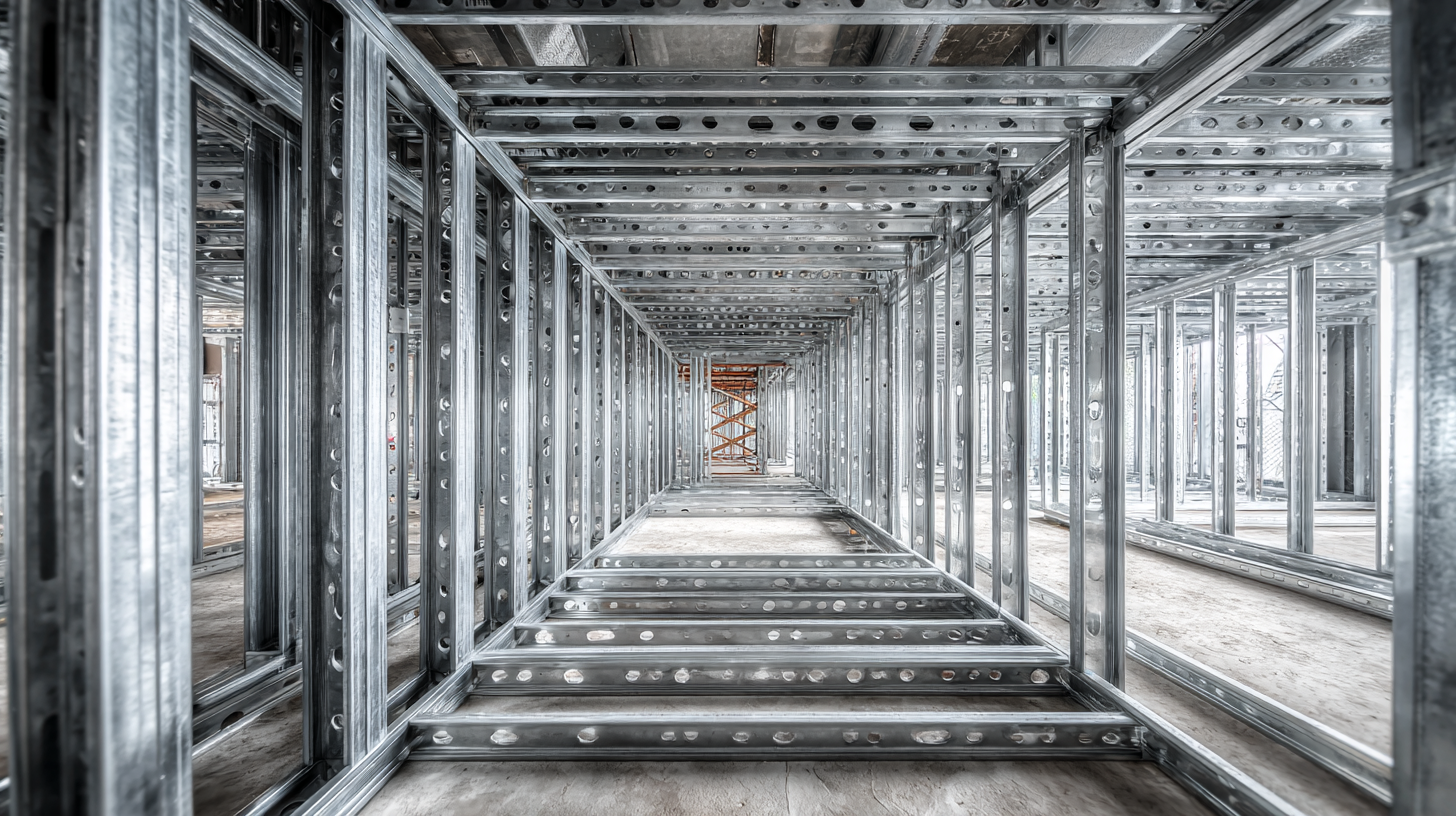
For interior applications, lightweight metal studs, typically made of galvanized steel, are an excellent choice due to their corrosion resistance.
However, for exterior walls or areas subject to moisture, opting for higher gauge thickness and
specialized coatings can help prevent rust and other damage.
Tips: Always consult relevant building codes to ensure compliance when selecting materials.
Furthermore, consider the acoustic and thermal properties of the studs, as these factors can significantly enhance the comfort of the built environment.
In addition to the studs themselves, the choice of connectors and accessories is crucial.
Make sure to use compatible screws and tracks to facilitate seamless assembly.
Selecting high-quality anchors can also improve stability, especially in load-bearing applications.
This attention to detail in material selection not only meets structural standards but ensures the lasting performance of the framework.
Tips: Keep an inventory of various fasteners and accessories on hand to streamline the installation process.
Having the right tools and materials readily available prevents delays and promotes efficiency during construction.
Step-by-Step Installation Process for Metal Studs in Modern Constructions
The use of metal studwork in modern construction has gained substantial traction due to its lightweight nature and structural advantages. According to the "Global Steel Framing Market Report 2021," the metal stud framing segment is expected to grow by 4.5% annually through 2026, driven by rising demand for sustainable building practices. The installation process for metal studs is critical to ensure structural integrity and efficiency.
To begin, it is essential to accurately measure and mark the layout of the studs, which typically involves using a chalk line to denote vertical and horizontal placements. For a standard installation, 25-gauge steel studs should be spaced 16 or 24 inches apart, following the guidelines recommended by the American Institute of Steel Construction (AISC). Once the layout is established, the metal studs can be securely attached to the base tracks using self-tapping screws, ensuring that every stud is straight and plumb. As emphasized by the "Construction Industry Standards Report," properly installed metal studs significantly reduce the risk of warping and settling, enhancing the durability of the overall structure.
Furthermore, incorporating sound insulation materials between the studs can greatly improve acoustic performance, which is especially beneficial in commercial environments. According to a 2022 study by the "International Journal of Construction Management," projects utilizing metal stud framing with insulation showed up to a 30% increase in soundproofing effectiveness compared to traditional wood framing methods. This step-by-step approach to metal stud installation not only streamlines the construction process but also aligns with modern demands for efficient and sustainable building solutions.
Common Mistakes to Avoid When Using Metal Studwork in Construction Projects
When incorporating metal studwork into modern construction projects, avoiding common mistakes can greatly enhance overall efficiency and structural integrity. One prevalent issue is the improper alignment of studs, which can lead to uneven walls and complications during installation. According to a report by the Steel Framing Industry Association, misalignment can increase project costs by up to 20% due to the need for rework and adjustments. Ensuring that studs are accurately spaced and leveled before installation is crucial for achieving a professional finish.
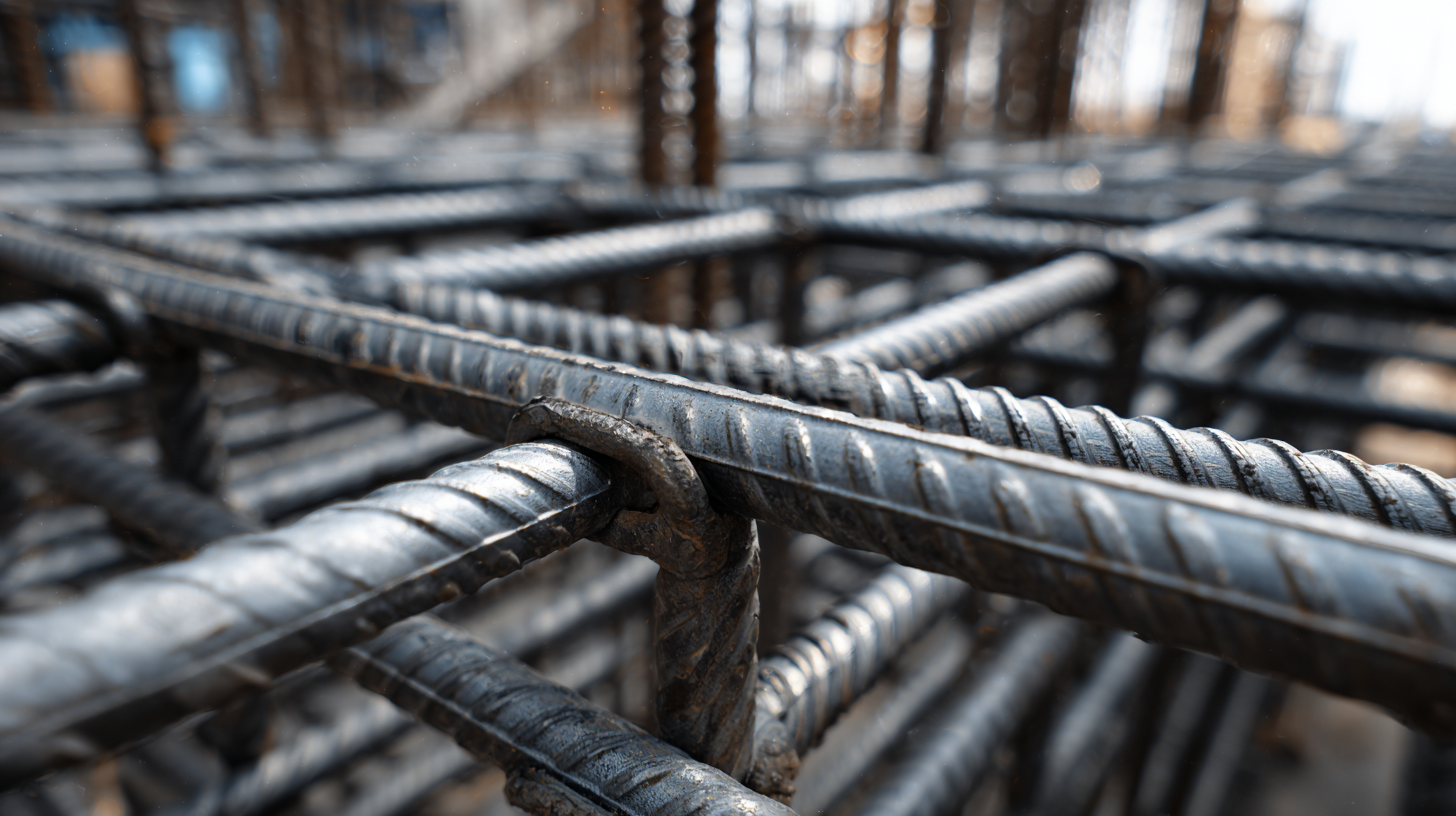
Another mistake often encountered is neglecting to consider load-bearing requirements. A study by the American Iron and Steel Institute highlights that failure to account for proper load distribution can compromise the structural integrity of the entire building. It is essential to consult load charts specific to metal studwork and to engage structural engineers during the planning phase. Additionally, not utilizing quality materials can lead to long-term issues, including corrosion or warping, which can undermine the durability of the construction. By focusing on meticulous planning and quality control, these pitfalls can be avoided, leading to successful project outcomes.
Innovative Applications of Metal Studwork in Sustainable Building Practices
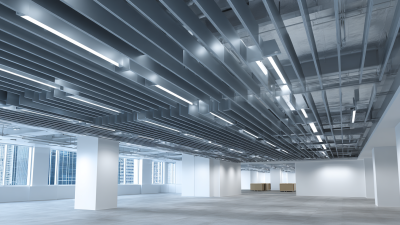
In recent years, the construction industry has increasingly embraced sustainable building practices, and metal studwork has emerged as a pivotal component in this shift. Metal studs, made from steel, offer multiple advantages that align perfectly with sustainability goals. They are highly durable and recyclable, reducing the need for new raw materials and minimizing waste. By integrating metal studwork into wall and ceiling frameworks, builders can create structures that are not only sturdy but also contribute to energy efficiency through improved insulation properties.
Moreover, innovative applications of metal studwork enable architects and designers to push the boundaries of conventional building designs. The lightweight nature of metal studs allows for more intricate layouts and faster construction times, which can lead to reduced energy consumption on-site. Additionally, metal studs can be utilized in conjunction with green building materials and techniques, such as advanced insulation systems and integrated renewable energy solutions. This synergy not only enhances the environmental performance of buildings but also supports a holistic approach to sustainable architecture, driving the industry toward a more eco-friendly future.