How Ceiling Aluminum Frames Revolutionize Modern Interior Design
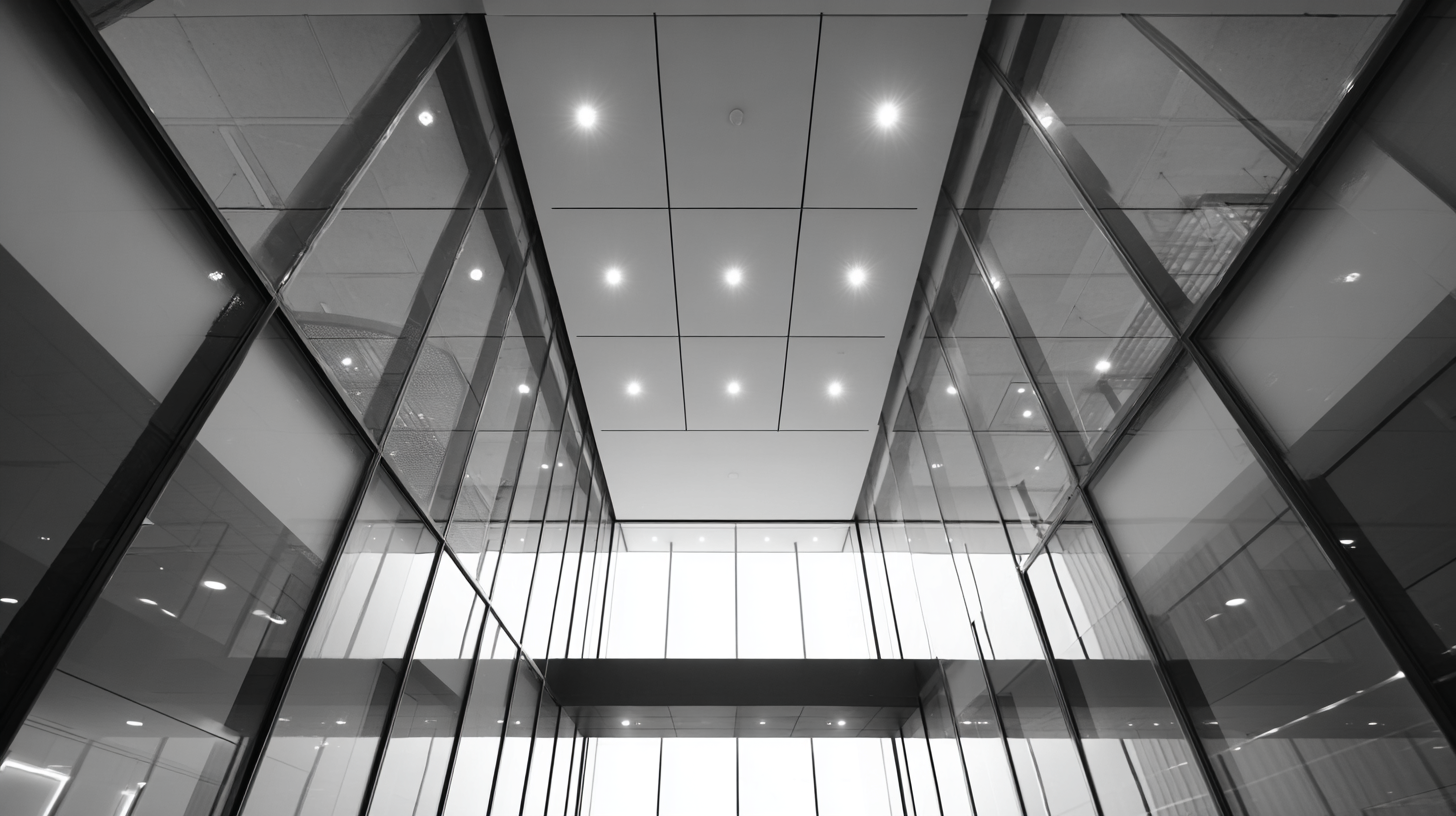
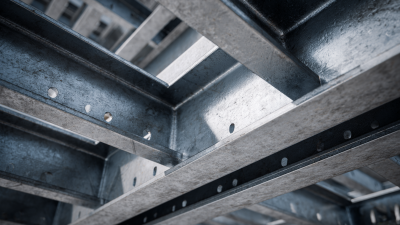
In contemporary interior design, innovation and functionality are paramount, leading to the emergence of various design elements that enhance aesthetics while providing practical solutions. One such groundbreaking element is the Ceiling Aluminum Frame, which has begun to revolutionize the way spaces are envisioned and utilized. This versatile architectural feature not only offers structural support but also serves as a canvas for creativity and personalization. By integrating Ceiling Aluminum Frames into modern interiors, designers can create an illusion of height and spaciousness, playing with light and shadow to evoke mood and ambiance.
As we delve into the myriad ways these frames are transforming interior spaces, it becomes evident that they are more than mere structural components; they are integral to shaping the future of interior design, pushing boundaries, and inspiring new trends.
The Versatility of Ceiling Aluminum Frames in Contemporary Spaces
Ceiling aluminum frames have emerged as a transformative element in modern interior design, offering unparalleled versatility in the configuration of contemporary spaces. These lightweight yet sturdy structures can be integrated into various interior schemes, from residential to commercial settings. Their sleek design allows for seamless incorporation into existing architectural frameworks, enabling designers to create everything from minimalist aesthetics to elaborate ceiling installations. The ability to customize shapes and sizes means that any vision—from open-plan layouts to defined areas—can be realized with ease, making them a favorite among architects and decorators alike.
In addition to their aesthetic appeal, ceiling aluminum frames are practical and functional. They can support various materials, including acoustic panels and lighting fixtures, enhancing the overall utility of a space. Their adaptability extends to color finishes, allowing them to blend with or stand out from other design elements. Moreover, these frames can improve acoustics, regulate lighting, and even contribute to energy efficiency. The multifunctional nature of ceiling aluminum frames exemplifies how contemporary design can utilize innovative materials to achieve sophisticated and dynamic interiors that respond to the needs of modern living.
Enhancing Aesthetics: Creative Uses of Aluminum Frames in Interior Design
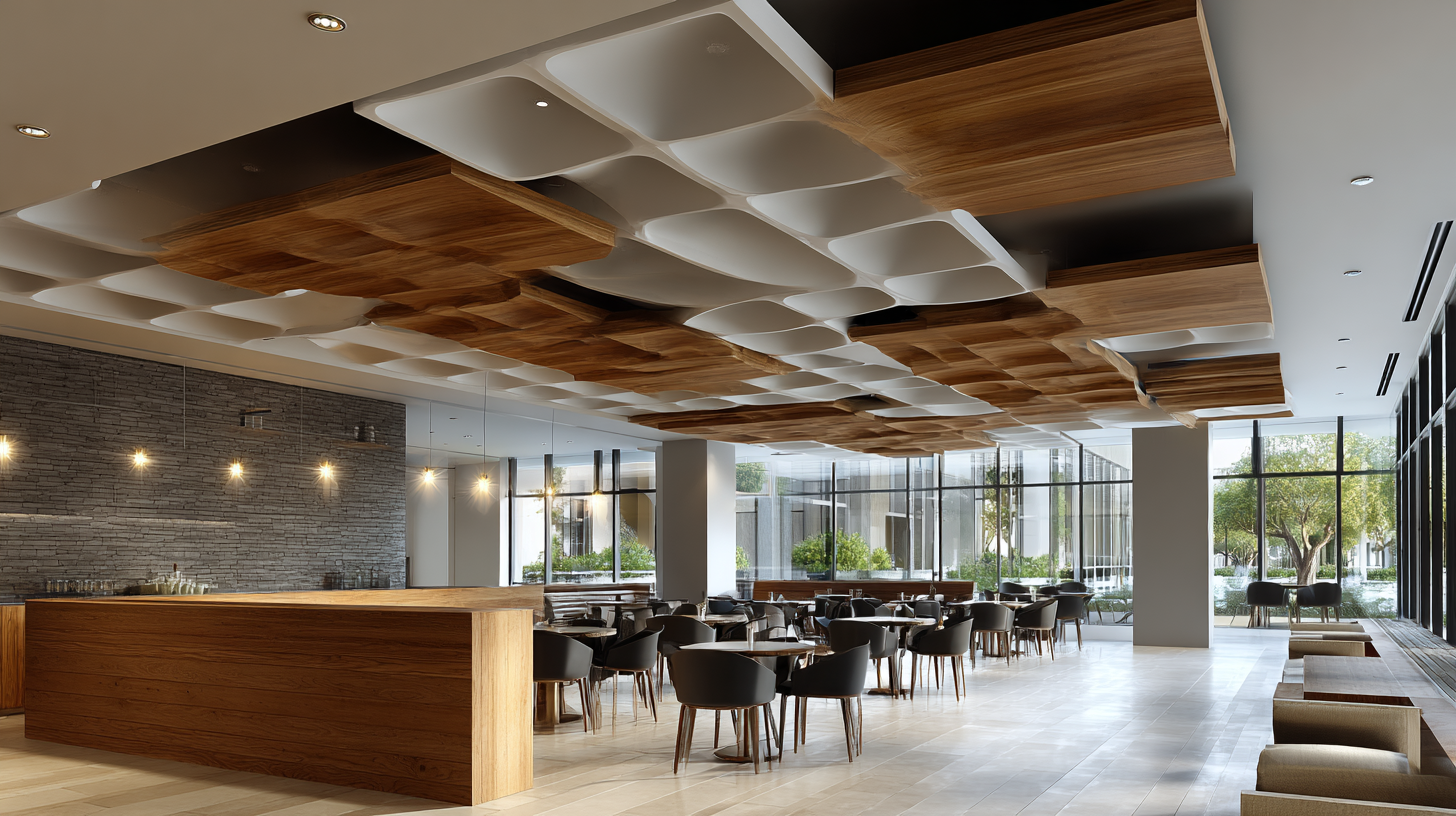
Aluminum frames have become a transformative element in modern interior design, revolutionizing the way spaces are visually perceived and utilized. Their lightweight yet sturdy nature allows for innovative applications, such as ceiling structures that not only support but enhance the overall aesthetic of interiors. These frames can take various forms, from sleek outlines to intricate lattice patterns, bringing a fresh perspective to ceilings that are often overlooked in home design. By creatively integrating aluminum frames into ceiling designs, homeowners can inject a sense of elegance and sophistication, making a bold statement without overwhelming other design elements.
Furthermore, the versatility of aluminum frames lends itself to various styles, making them suitable for contemporary, industrial, or even minimalist themes. They can be used to create suspended ceilings, accentuating the height of a room or delineating spaces within open floor plans. The reflective quality of aluminum also enhances lighting, contributing to a brighter and more inviting atmosphere. Through thoughtful design, aluminum frames not only elevate the visual appeal but also improve functionality, embodying the essence of modern interior design strategies that prioritize both beauty and practicality.
How Ceiling Aluminum Frames Revolutionize Modern Interior Design
| Design Aspect |
Description |
Benefits |
Popular Styles |
| Aesthetic Appeal |
Aluminum frames can be designed in various styles, including sleek, modern looks that enhance minimalistic spaces. |
Adds a contemporary touch, improves visual clarity. |
Contemporary, Industrial, Art Deco |
| Durability |
Aluminum frames are resistant to rust and corrosion, ensuring long-lasting use in various environments. |
Reduces maintenance costs, ideal for high-humidity areas. |
Modern, Minimalist |
| Versatility |
Can be used for walls, ceilings, and furniture, adapting to any space configuration. |
Flexible design options, maximizes functional space. |
Contemporary, Scandinavian |
| Eco-friendly |
Aluminum is recyclable, reducing the environmental impact. |
Supports sustainable design practices. |
Eco-Friendly, Modern |
| Lightweight |
Easier to handle and install compared to heavier materials like wood or steel. |
Simplifies installation processes, less structural support needed. |
Minimalist, Modern |
Functional Benefits: How Aluminum Frames Improve Space Efficiency
Aluminum frames have become a pivotal element in modern interior design, primarily due to their exceptional space efficiency. With their lightweight yet sturdy structure, aluminum frames facilitate the creation of open floor plans that maximize usable space. This is particularly crucial in urban settings where square footage is often at a premium. The versatility of aluminum allows for innovative layouts and configurations, enabling designers to craft environments that are both aesthetically pleasing and functionally sound.
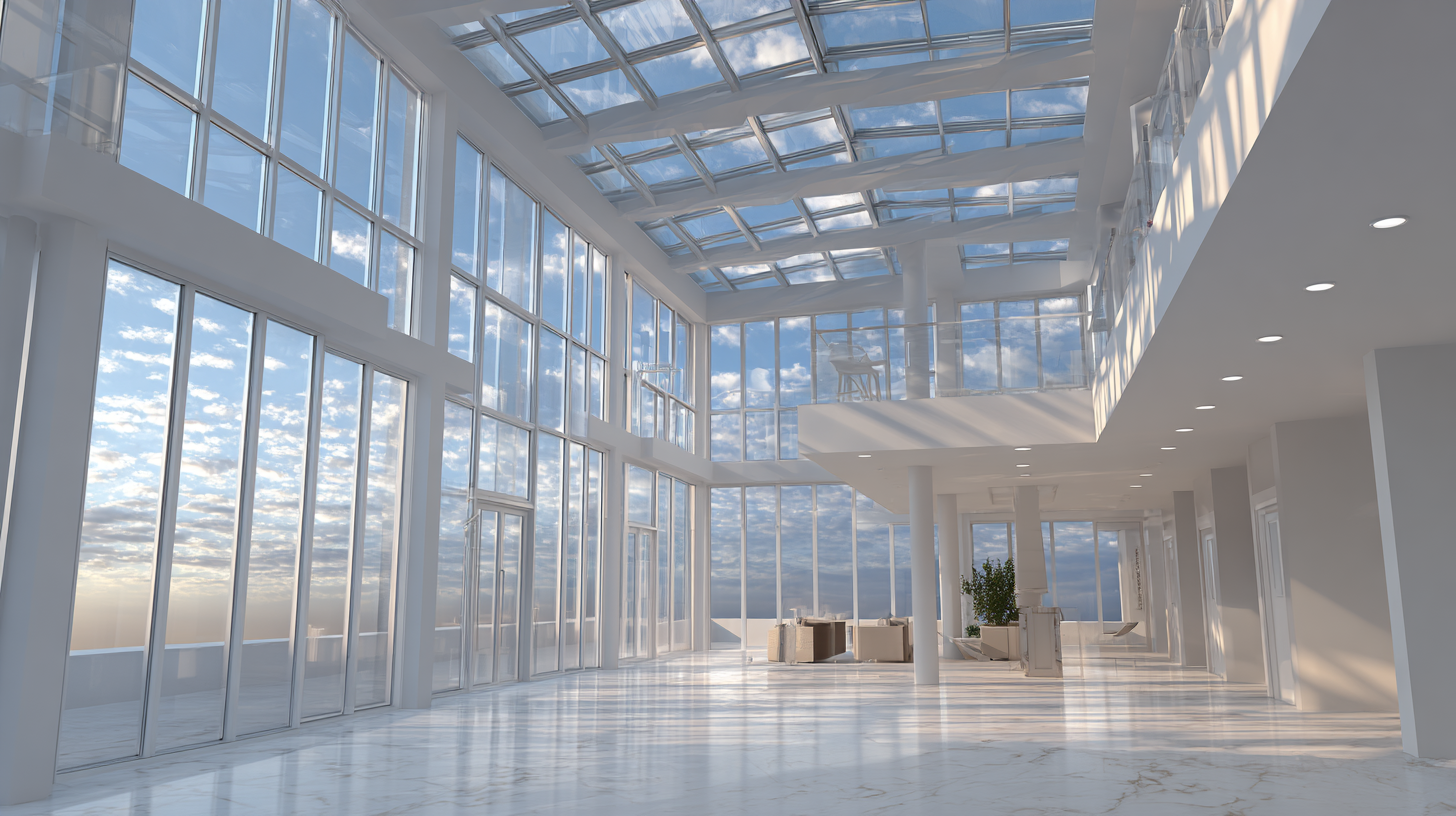
Moreover, the incorporation of aluminum frames can significantly enhance overall functionality within a space. These frames support large glass panels that bring natural light indoors, making interior environments feel more expansive and inviting. Additionally, the durability of aluminum ensures longevity, reducing maintenance costs and contributing to sustainable design practices. As seen in endeavors like the space frame structures emerging in Saudi Arabia, the ability to efficiently manage space while delivering visually stunning results showcases the transformative potential of aluminum frames in contemporary interior design.
Innovative Lighting Solutions with Ceiling Aluminum Frames
In recent years, ceiling aluminum frames have emerged as a transformative element in modern interior design, particularly in enhancing lighting solutions. According to a report by the American Institute of Architects, innovative use of materials like aluminum has led to an increase in the use of integrated lighting systems, allowing for sleek, unobtrusive designs that complement contemporary aesthetics. With the ability to accommodate various lighting fixtures, aluminum frames can seamlessly integrate LED strips or pendant lights, creating versatile illumination options tailored to different spaces.
Furthermore, a study by the International Lighting Design Association indicates that 78% of designers believe that versatility in lighting design significantly impacts client satisfaction. Ceiling aluminum frames provide a structural advantage, enabling the creation of layered lighting that can adjust mood and functionality within a room. Their lightweight nature allows for easy installation and repositioning, making them ideal for spaces requiring frequent redesigns. As such, aluminum frames not only enhance visual appeal but also offer practical solutions for maximizing lighting efficiency and design flexibility in interior spaces.
Sustainable Design: Eco-Friendly Aspects of Using Aluminum in Interiors
The integration of ceiling aluminum frames in modern interior design not only enhances aesthetic appeal but also aligns with sustainable design principles. Aluminum, known for its durability and recyclability, contributes to a more eco-friendly environment. According to a report by the Aluminum Association, over 75% of aluminum ever produced is still in use, emphasizing its sustainability throughout the product lifecycle. Using aluminum frames in interiors minimizes waste and allows for designs that can easily adapt to changing needs, reducing the frequency of renovations and thereby conserving resources.
When considering sustainable interior design, it’s essential to select materials that have a lower environmental impact. Here are some tips: First, choose aluminum from suppliers who focus on recycling and reducing carbon footprints. Look for certifications such as the Aluminum Stewardship Initiative, which ensures responsible sourcing. Second, think about the longevity of your materials; aluminum frames can last for decades, which means less replacement and less waste in landfills. Lastly, combine aluminum with other eco-friendly materials, such as reclaimed wood or recycled glass, to create a harmonious, sustainable design palette that showcases innovation without compromising on environmental responsibility.