How to Build a Stud Wall Steel Frame for Maximum Stability
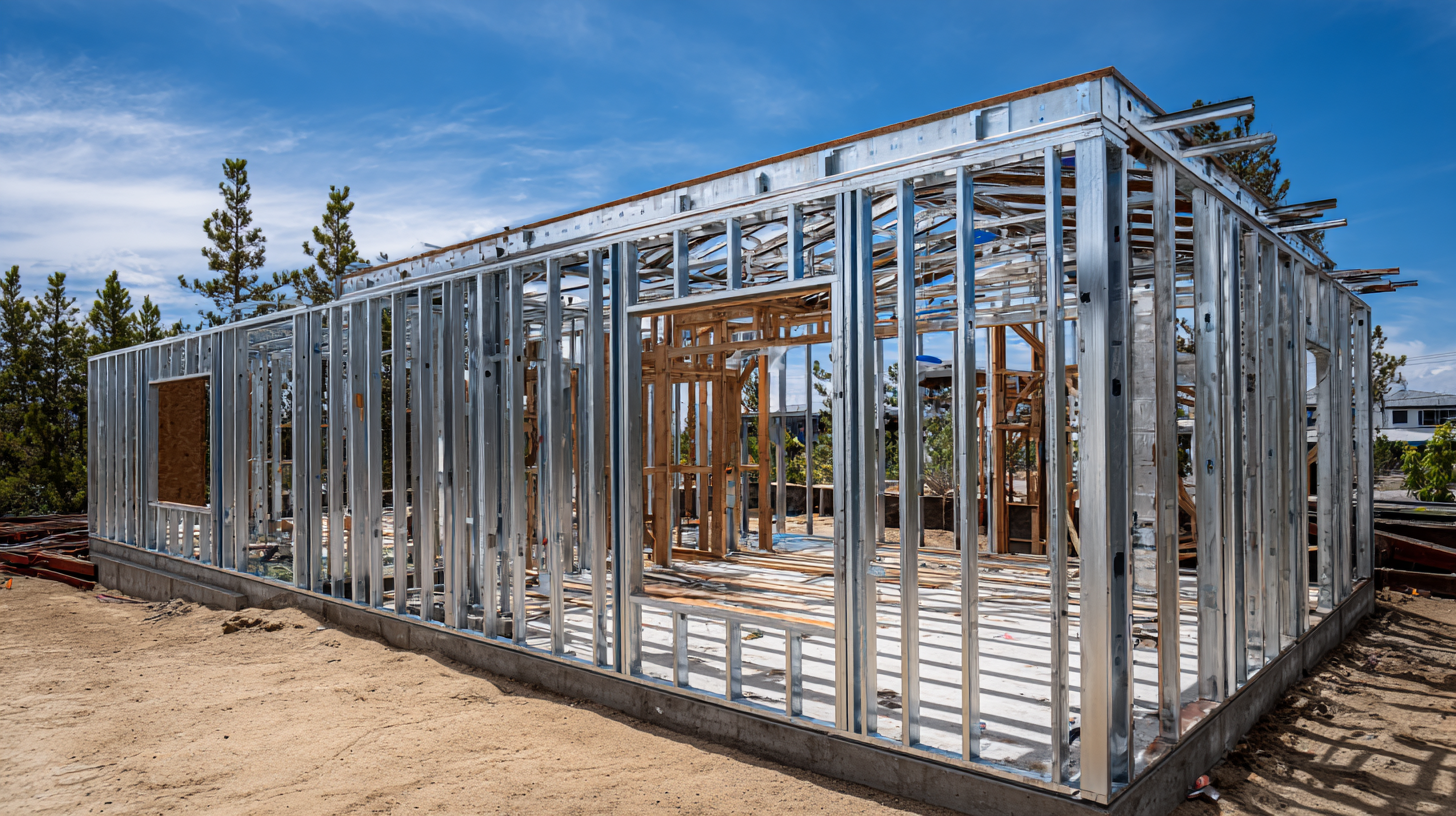
 Building a Stud Wall Steel Frame is an essential skill for anyone looking to enhance the structural integrity of their construction projects. This guide will walk you through the process of creating a durable and stable steel frame that can effectively support drywall, insulation, and other materials. The advantages of using a steel frame over traditional wooden studs include superior strength, resistance to warping, and reduced fire hazard. In this comprehensive tutorial, you will learn key techniques, essential tools, and best practices to ensure maximum stability in your stud wall.
Whether you are a seasoned contractor or a DIY enthusiast, understanding how to properly construct a Stud Wall Steel Frame will not only elevate your project but also ensure long-lasting results and safety. Join us as we delve into the step-by-step procedures, helping you to master this crucial construction method.
Building a Stud Wall Steel Frame is an essential skill for anyone looking to enhance the structural integrity of their construction projects. This guide will walk you through the process of creating a durable and stable steel frame that can effectively support drywall, insulation, and other materials. The advantages of using a steel frame over traditional wooden studs include superior strength, resistance to warping, and reduced fire hazard. In this comprehensive tutorial, you will learn key techniques, essential tools, and best practices to ensure maximum stability in your stud wall.
Whether you are a seasoned contractor or a DIY enthusiast, understanding how to properly construct a Stud Wall Steel Frame will not only elevate your project but also ensure long-lasting results and safety. Join us as we delve into the step-by-step procedures, helping you to master this crucial construction method.
Choosing the Right Materials for Your Stud Wall Steel Frame Construction
When constructing a stud wall steel frame, the selection of materials is crucial for ensuring maximum stability and longevity. According to a report by the Steel Construction Institute, using hot-rolled steel sections can significantly enhance the structural integrity of the frame. These sections are not only robust but also resistant to environmental factors such as moisture and pests, providing a durable solution for both residential and commercial applications. The report notes that incorporating galvanized steel can further improve the frame's resistance to corrosion, which is particularly important in areas with high humidity or extreme weather conditions.
Another essential aspect is the choice of insulation materials that complement the steel frame. Research from the Insulation Manufacturers Association indicates that using high-performance insulation materials, such as rigid foam boards or spray foam, can improve energy efficiency and reduce heat loss by up to 30%. This not only contributes to a more sustainable construction approach but also provides cost savings in heating and cooling over time. For optimal results, it's advisable to combine the right steel grade with effective insulation, ensuring that the wall frame meets both structural and thermal performance standards.
Preparing the Site and Tools for Building a Stable Steel Frame Wall
Preparing the site for a stud wall steel frame is crucial for achieving maximum stability. Begin by selecting a level and dry area where the wall will be constructed. Clear the site of debris and measure the space accurately to ensure proper fitting of the steel frame. Mark out the dimensions on the floor using chalk lines; this will serve as a guide during assembly. When working indoors, ensure that the area is well-ventilated and free from hazards to maintain safety during the build.
Once the site is prepped, gather the essential tools required for the project. You will need a measuring tape, a level, a cutting tool specific for metal, and a drill with metal drill bits. Additionally, safety equipment such as gloves, goggles, and ear protection should be on hand to protect against metal shavings and noise. Having everything organized will not only streamline the building process, but it will also enhance safety and efficiency, paving the way for a solid and stable steel frame wall.
Step-by-Step Guide to Assembling the Steel Frame for Maximum Stability
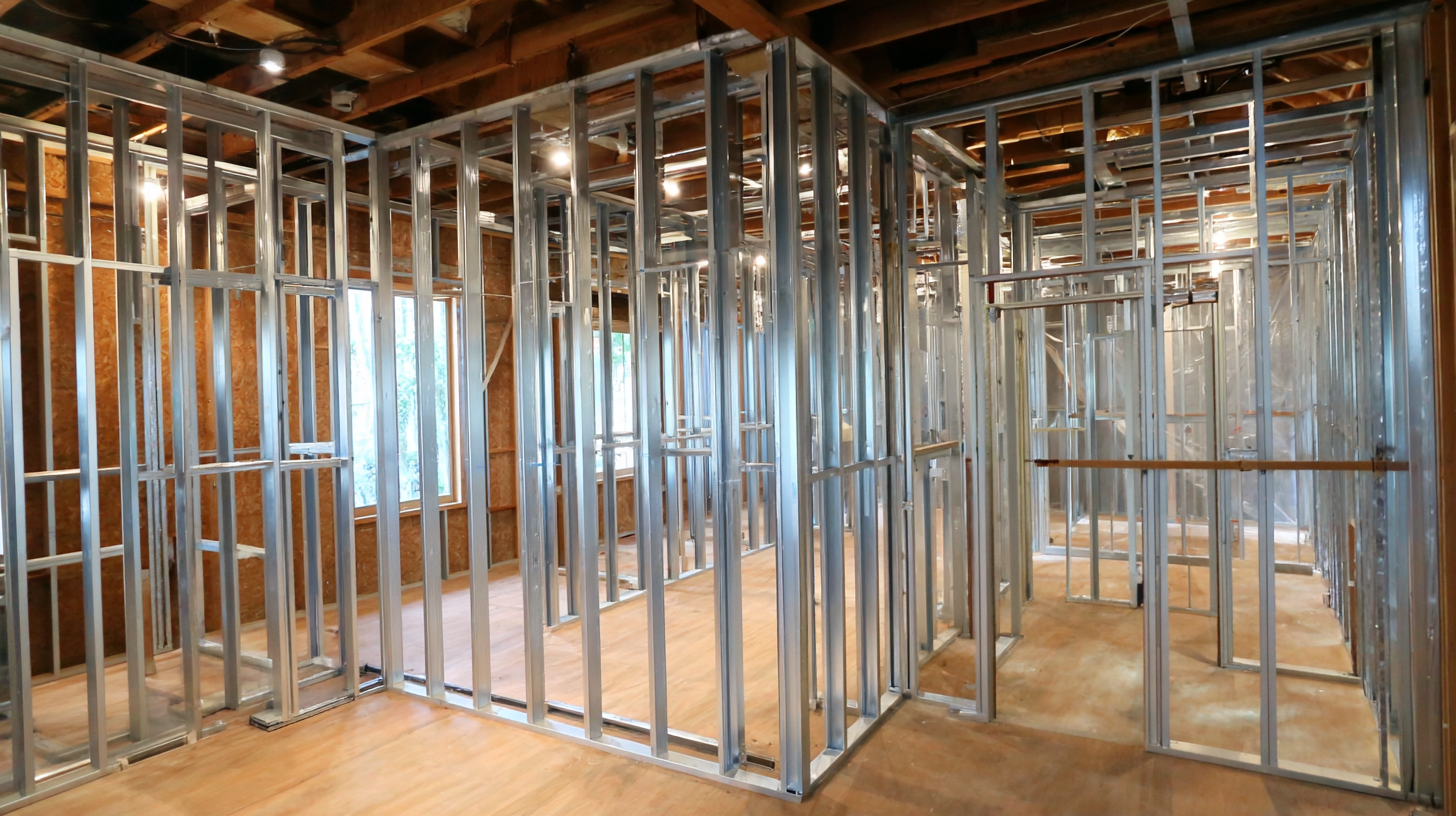
Constructing a stud wall steel frame can greatly enhance the durability and stability of any structure. When assembling your steel frame, it's essential to pay close attention to the methods used to ensure maximum strength. Begin by gathering all necessary tools and materials, ensuring you have high-quality steel studs, track, and connectors that meet industry standards. According to the American Iron and Steel Institute, properly installed steel framing can provide superior resistance to environmental changes, preventing warping and cracking that are common with traditional wood framing.
Tips: For stability, always ensure that your base track is anchored to the floor with appropriate fasteners. This will provide a solid foundation and prevent movement during the installation process.
As you erect the vertical studs, consider using cross-bracing techniques to enhance the rigidity of the frame. Research from the Steel Framing Alliance indicates that incorporating full-height panels and diagonal bracing can significantly reduce lateral movement, making the frame resilient against high winds and seismic activities.
Tips: When measuring and cutting your steel studs, employ a high-quality angle grinder with the right cutting disk to achieve clean cuts, ensuring a snug fit that maximizes stability.
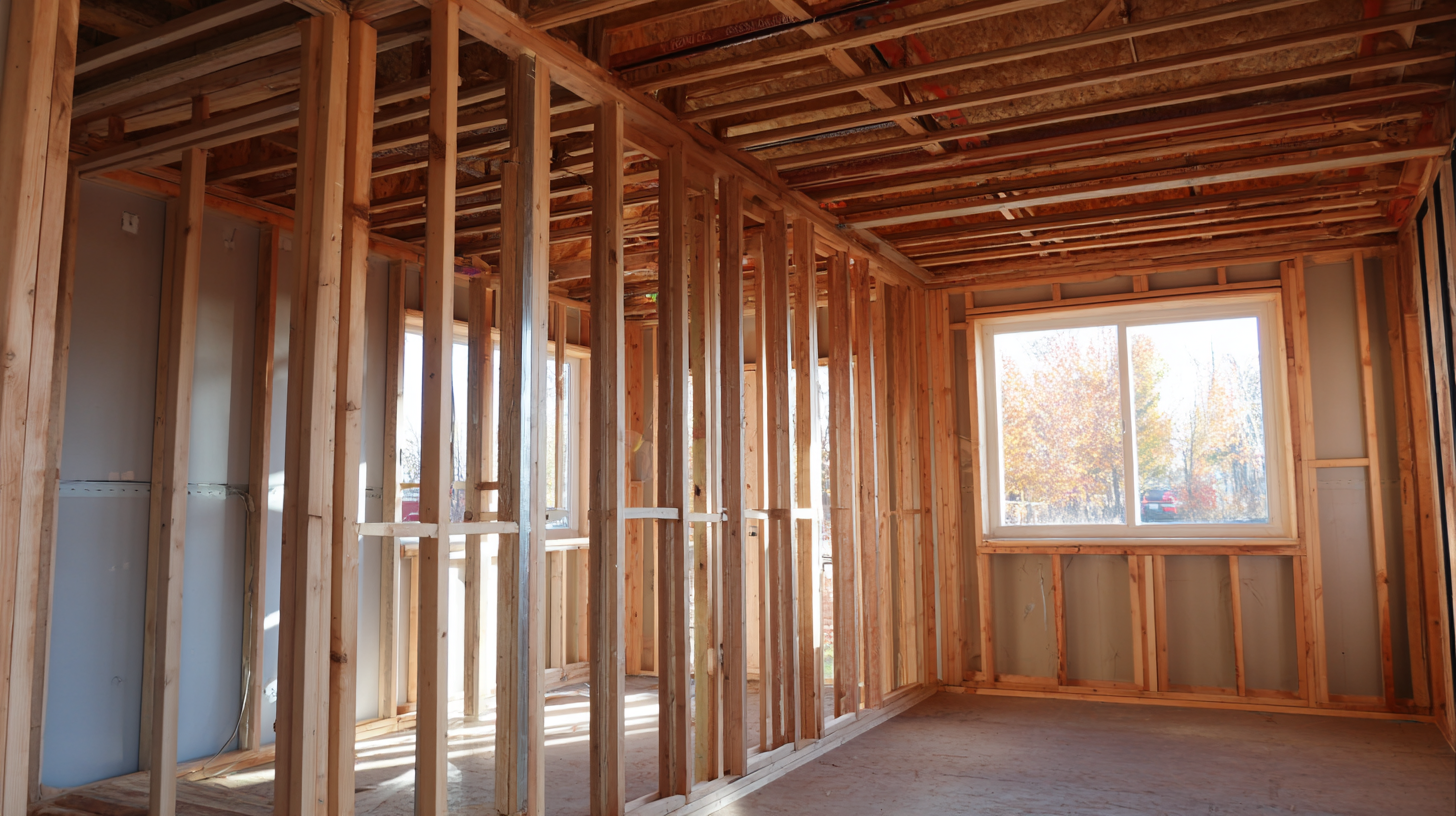
Techniques for Securing and Reinforcing the Stud Wall Steel Frame
When constructing a stud wall steel frame, ensuring stability is paramount. One effective technique for securing and reinforcing the frame is the integration of diagonal bracing. According to a report by the American Institute of Steel Construction, diagonal bracing can increase the shear resistance of a wall by up to 50%. This method not only reinforces the structure but also helps distribute loads evenly, aiding in the prevention of buckling and other structural failures.
Another vital step in reinforcing the stud wall is to utilize robust anchor points. Industry studies suggest that using high-strength bolts and floor plates can dramatically enhance the connection between the studs and the base, further increasing stability. Additionally, consider implementing double framing around openings, such as doors and windows, as this can significantly reduce stress and increase the overall integrity of the wall.
**Tips:**
1. Ensure that all materials used meet regulatory standards for durability and strength.
2. Consider using insulated metal studs, which can provide both structural support and enhance energy efficiency.
3. Regularly inspect the wall structure after completion to address any potential weaknesses early on.
Stability of Stud Wall Steel Frame Techniques
Finishing Touches: Insulation and Drywall Installation for Stability
When constructing a stud wall steel frame, the finishing touches are crucial in enhancing stability and performance. Proper insulation is essential to not only maintain energy efficiency but also to minimize noise transfer between spaces. Using high-density fiberglass or foam board insulation can create a thermal barrier, while ensuring the steel frame remains protected from temperature fluctuations that can lead to condensation issues. The insulation should fit snugly between the studs without any gaps, as this ensures optimal performance and prevents potential weak points that may compromise the wall’s stability.
Once insulation is firmly in place, the next step is drywall installation. Choosing the right type of drywall, such as moisture-resistant variants for areas prone to humidity, further reinforces the wall's stability. Securing the drywall with screws directly to the steel studs allows for a tight anchor, offering both structural integrity and a smooth finish. It's important to stagger the seams to avoid creating weak lines and to use joint compound effectively, which adds an additional layer of strength. Ultimately, these finishing touches contribute significantly to the overall durability and functionality of the stud wall, ensuring it can withstand the test of time.
How to Build a Stud Wall Steel Frame for Maximum Stability - Finishing Touches: Insulation and Drywall Installation for Stability
| Component |
Material |
Purpose |
Installation Tips |
| Steel Studs |
Galvanized Steel |
Framework structure |
Ensure studs are spaced 24 inches apart. |
| Insulation |
Fiberglass or Foam Board |
Thermal and sound insulation |
Install tightly between studs. |
| Drywall |
Gypsum Board |
Interior wall finish |
Leave a gap for expansion at the floor. |
| Fasteners |
Steel Screws |
Secure steel studs and drywall |
Use appropriate length for thickness. |
| Finishing Compound |
Joint Compound |
Smooth drywall joints |
Apply multiple layers for best finish. |