How to Build a Stud Wall Steel Frame for Your Home Renovation?
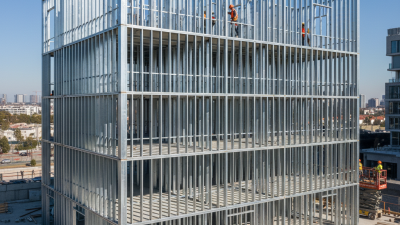
Building a Stud Wall Steel Frame offers significant benefits for home renovations. This framework provides strong support and durability, essential for any structural changes. Understanding its construction is crucial for a successful project.
A well-constructed steel frame can enhance your home's design. It allows for flexible layouts and maximizes space usage. However, many underestimate the complexity involved in the process. Mistakes can result in uneven walls or structural issues. Taking the time to plan and measure correctly can prevent these setbacks.
Choosing the right materials is vital. High-quality steel ensures longevity and stability, while proper insulation improves energy efficiency. Consider consulting experts during the planning phase. Their experience can guide you towards better decisions. Building a Stud Wall Steel Frame requires patience and precision, but the rewards are worth the effort.
Understanding the Basics of Stud Wall Steel Frame Construction
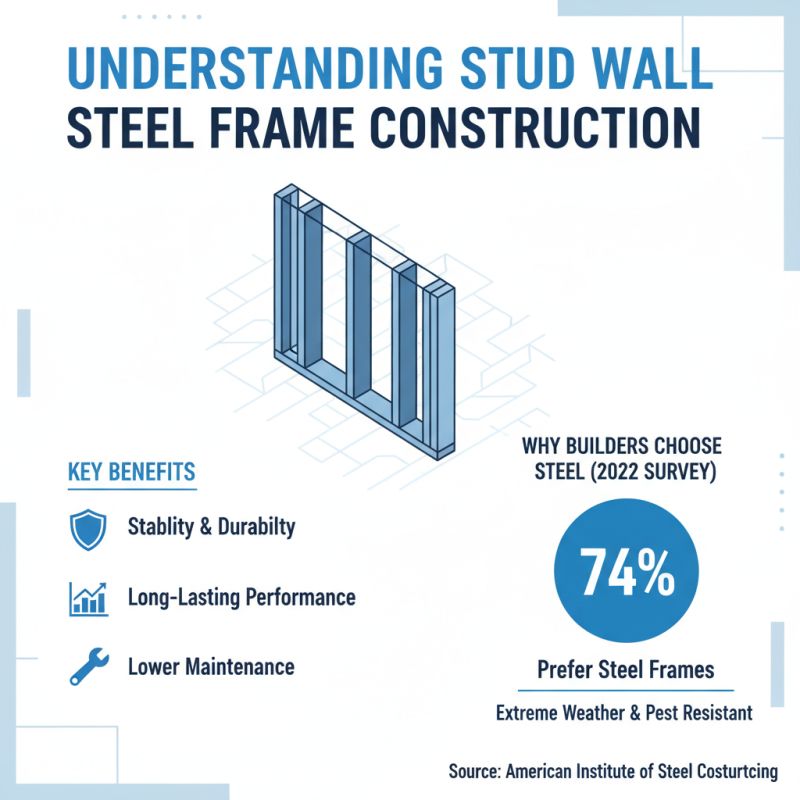
When considering home renovation, understanding stud wall steel frame construction is essential. This method offers significant benefits in stability and durability. According to a 2022 survey by the American Institute of Steel Construction, 74% of builders prefer steel frames for their long-lasting performance and lower maintenance costs. Steel structures can withstand extreme weather and resist pest damage, making them a reliable choice.
Constructing a stud wall with steel involves specific techniques. A typical stud wall consists of vertical steel studs spaced 16 or 24 inches apart. This spacing allows for adequate insulation and supports drywall effectively. According to the National Association of Home Builders, improper spacing can lead to sagging walls or inadequate insulation. Precision cutting and securing studs are critical steps in the process. Attention to detail at this stage influences the overall robustness of the frame.
However, some drawbacks exist. Working with steel requires specialized tools and skills. Many DIY enthusiasts find it challenging to handle steel as opposed to wood. Common pitfalls include misalignment and inadequate fastening, which can compromise the frame's integrity. Building with steel may initially feel daunting, but with proper guidance, it can lead to a resilient structure that stands the test of time.
Essential Tools and Materials Needed for Building a Steel Frame
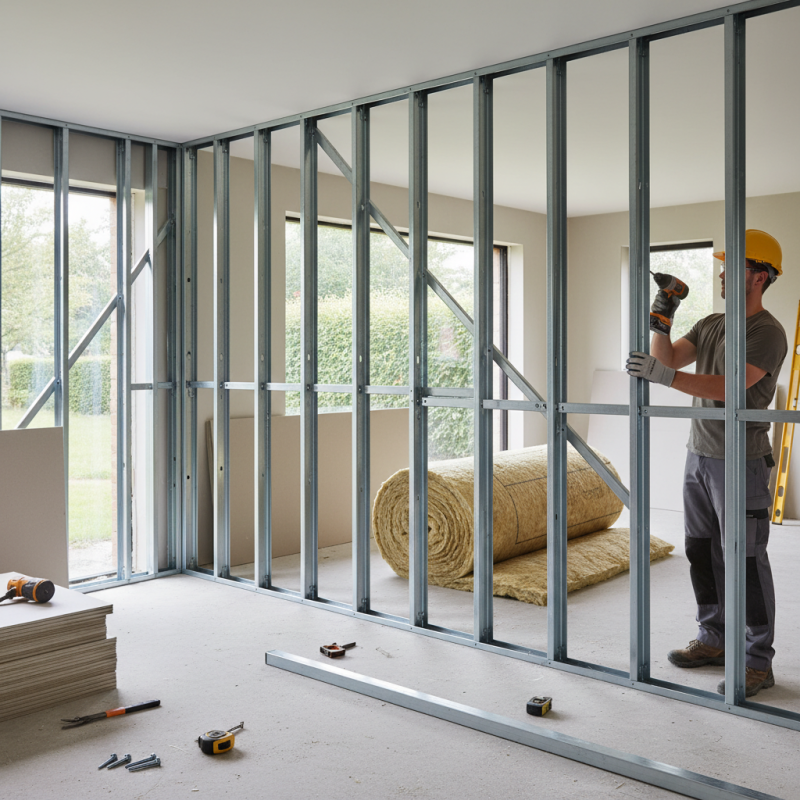
Building a stud wall steel frame requires careful planning and the right tools and materials. Adopting a steel frame can provide durability and strength to your renovation project. To get started, you will need essential tools such as a
tape measure, level, and stud finder. A power drill and a metal-cutting saw are also crucial. Safety gear, like gloves and goggles, should not be overlooked.
In terms of materials, you will need steel studs, track systems, and various screws. Steel studs come in different sizes. Typically, 3 5/8 inch or 6 inch widths are common for residential projects. Ensure you have enough screws to secure every connection properly. The track system will guide the studs, providing a stable structure. It's vital to check the dimensions carefully before cutting any metal.
Even with the proper tools, challenges can arise during installation. It requires precision to align everything accurately. Mistakes, like mismeasuring the height, can lead to frustrating adjustments. Learning each step is essential, and don't hesitate to ask for advice from experienced builders. Recognizing what works and what doesn’t will enhance the overall outcome of your project.
Step-by-Step Guide to Constructing a Stud Wall Steel Frame
Building a stud wall steel frame requires a clear plan. Start by measuring your space accurately. Mark where your wall will be. Use a level to ensure your lines are straight. Quality materials matter, so choose robust steel studs for durability.
Assemble the frame on the floor for easier handling. Cut the studs to your desired height, remembering to wear safety goggles. Attach the studs at regular intervals using screws. This step is critical. A sturdy frame ensures better support for your wall.
Consider adding insulation within the frame for soundproofing. This might involve extra cost and effort, but the comfort benefits outweigh these challenges. Check the plumb level of your frame often. It’s important to pause and reflect on your progress. Small adjustments can lead to a significant difference in the final result.
How to Build a Stud Wall Steel Frame for Your Home Renovation? - Step-by-Step Guide to Constructing a Stud Wall Steel Frame
| Step |
Description |
Materials Needed |
Estimated Time |
| 1 |
Plan the Layout and Design |
Tape Measure, Notepad, Pencil |
1 hour |
| 2 |
Gather Tools and Materials |
Steel Studs, Speed Square, Levels, Screws |
30 minutes |
| 3 |
Mark Wall Layout on Floor and Ceiling |
Chalk Line, Level |
1 hour |
| 4 |
Install Bottom Track |
Steel Track, Screws, Drill |
1 hour |
| 5 |
Add Vertical Studs |
Steel Studs, Screws |
2 hours |
| 6 |
Install Top Track |
Steel Track, Screws |
1 hour |
| 7 |
Add Insulation (optional) |
Insulation Material |
1 hour |
| 8 |
Install Wallboard |
Drywall, Screws, Drill |
2 hours |
| 9 |
Finish and Paint |
Primer, Paint, Brushes |
3 hours |
Common Mistakes to Avoid When Building a Steel Frame Wall
When building a steel frame wall, avoiding common mistakes is crucial for both safety and functionality. One frequent error is miscalculating the material needed. Accurate measurements are vital. According to industry reports, up to 30% of renovation budgets can be lost due to material waste. Ensure you measure twice before purchasing. This simple step can save materials and money.
Another common mistake is neglecting proper support. Steel frames require adequate bracing to withstand loads. Failing to incorporate this can lead to structural weaknesses. Statistics reveal that poorly supported frames are 40% more likely to experience failure. It’s important to research local building codes and best practices. This understanding aids in creating a stable and secure frame.
In addition, some builders overlook the importance of rust prevention. Steel is susceptible to rust, which can compromise integrity over time. Using appropriate coatings and choosing quality materials are essential. Experts recommend checking moisture levels and using protective barriers in humid areas. Awareness of these issues can lead to a more successful renovation project.
Common Mistakes to Avoid When Building a Steel Frame Wall
Finishing Touches: Insulation and Drywall for Your Steel Frame Wall
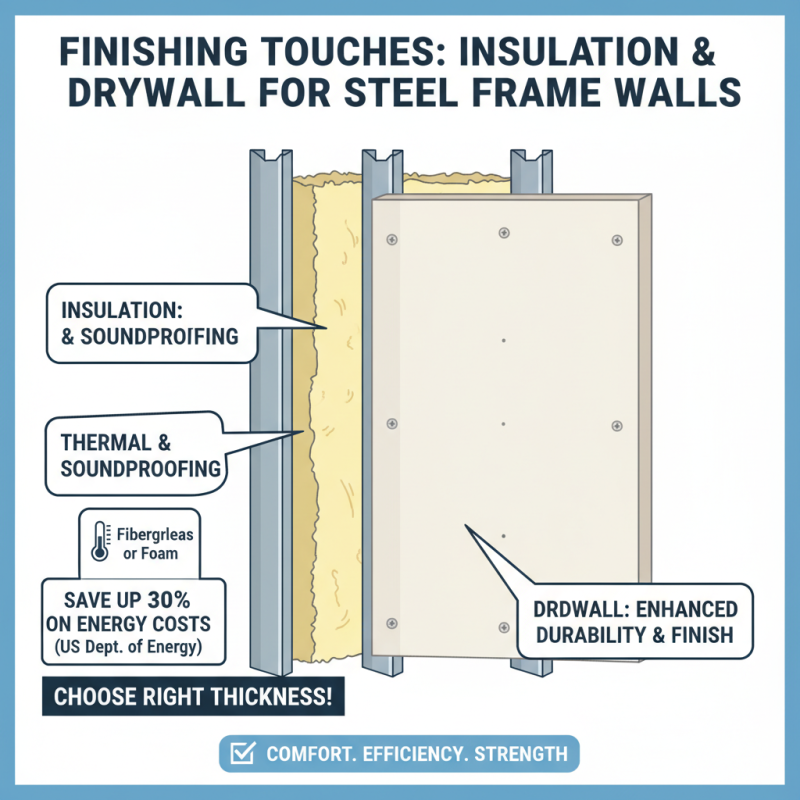
When constructing a stud wall with a steel frame, insulation and drywall are crucial components. Insulation not only improves thermal performance but also enhances soundproofing. According to the U.S. Department of Energy, proper insulation can reduce energy costs by up to 30%. Using materials like fiberglass or foam, you can achieve excellent thermal resistance. However, choosing the right insulation thickness is essential, as too little could lead to energy loss and discomfort.
Drywall finishes can significantly impact the aesthetics of your painted walls. It’s vital to ensure that drywall is applied correctly over the steel studs. In a report by the Gypsum Association, about 85% of construction professionals recommend using moisture-resistant drywall in areas prone to humidity. This choice can protect against mold growth. Nevertheless, many homeowners overlook the importance of this detail. Regular inspections for damage or moisture intrusion are often neglected, which can lead to larger issues down the line.
It’s also important to reflect on the installation process. Imperfect seams can result from rushed work, affecting the overall look. A study from the National Association of Home Builders indicates that 30% of projects see delays due to improper drywall finishing. Taking extra time to ensure a smooth, even application can save future headaches. Always consider expert consultations to avoid common missteps that could compromise the quality of your steel frame wall.