2026 Best Steel Stud Framing Techniques for Modern Construction
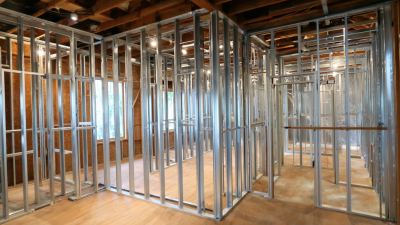
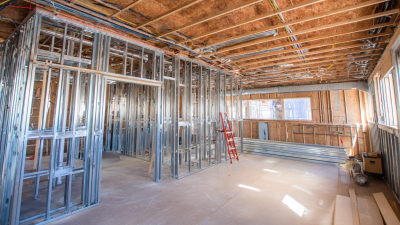
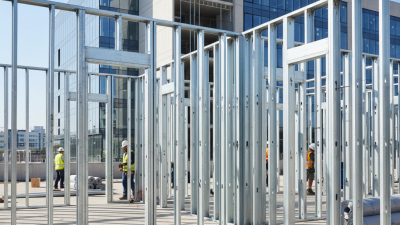
In modern construction, Steel Stud Framing has emerged as a favored method. This technique offers exceptional strength and durability, critical for various projects. Unlike traditional wood framing, steel provides resistance to termites and moisture, ensuring longevity. Architects and builders increasingly rely on this innovation, especially for commercial buildings.
However, Steel Stud Framing is not without its challenges. Misalignment during installation can lead to structural weaknesses. It's vital to ensure precise measurements and fittings, as errors can be costly. The process often requires specialized tools and skills, which may not be readily available in all markets. Nonetheless, the benefits often outweigh these pitfalls.
Adapting to new techniques demands continuous learning. Builders must stay updated with advancements in Steel Stud Framing. Incorporating feedback from past projects can lead to improvements. Despite its complexities, this method has transformed contemporary construction, paving the way for safer, more reliable buildings.
Introduction to Steel Stud Framing in Modern Construction
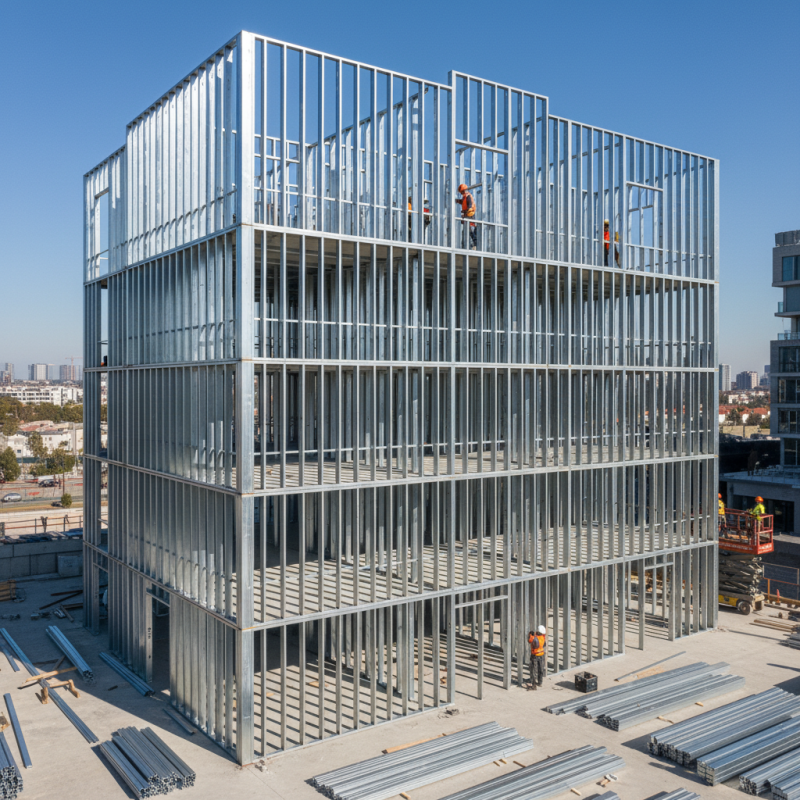
Steel stud framing has gained popularity in modern construction. It provides strength and versatility for building structures, both residential and commercial. This method reduces the risk of warping and shrinking. Unlike traditional wood framing, steel does not expand or contract significantly with moisture changes. This stability is crucial for sound insulation and overall durability.
However, working with steel studs can present challenges. The material can be more difficult to cut and handle compared to wood. Proper tools and techniques are essential. Some workers may struggle with alignment, especially in tight spaces. Over time, mastering these framing techniques is vital for achieving a high-quality finish. Proper training and practice can help reduce these issues.
Despite some of these hurdles, the benefits of steel stud framing are noteworthy. It is fire-resistant and insect-proof, making it a sustainable choice. Steel can be recycled, contributing to greener building practices. As construction methods evolve, steel stud framing remains a relevant and effective option for modern architecture. Adapting to its unique characteristics can lead to remarkable, long-lasting results.
Key Benefits of Using Steel Studs Over Wood in Framing
Steel studs are making waves in modern construction. They offer durability that wood simply cannot match. Steel is resistant to warping and rotting. This ensures a longer lifespan for your structures. Unlike wood, steel studs do not create issues with pests like termites. This can save time and money over the years.
Another vital benefit is the weight-to-strength ratio of steel. It allows for taller and more robust buildings without overwhelming the foundation. However, working with steel requires special tools and skills. This may lead to challenges during initial projects. It's essential to ensure your team is well-trained. Proper installation is crucial to fully leverage steel's benefits.
Environmental impact is another factor to consider. Steel is typically made from recycled materials. This adds to its eco-friendly profile. But the manufacturing process can be energy-intensive. Thus, it’s a balance between benefits and challenges. Exploring these facets thoroughly can help in making informed decisions about materials in modern construction.
Essential Tools and Materials for Steel Stud Framing Techniques
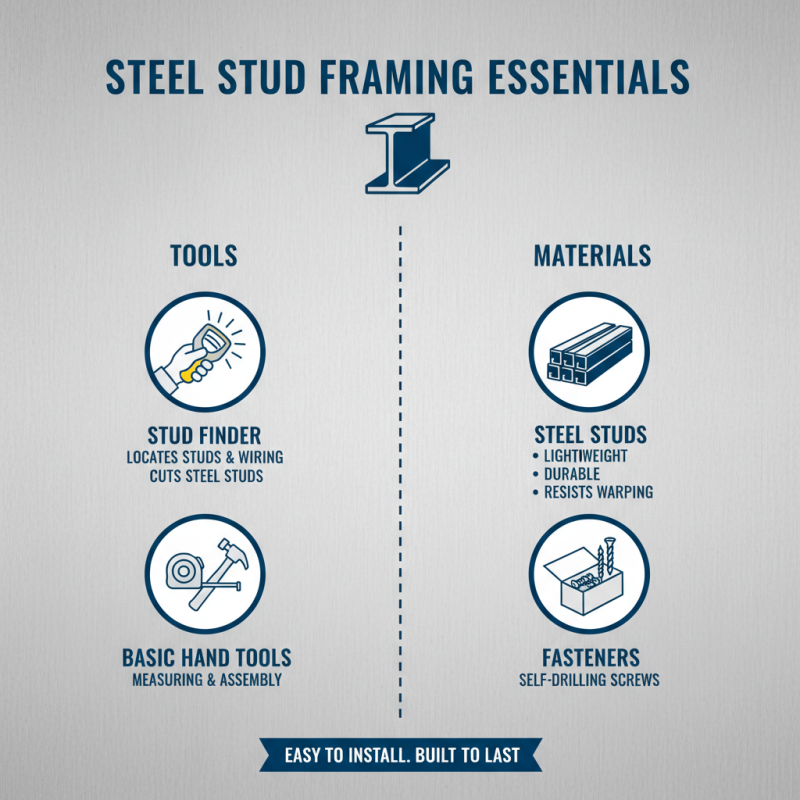
When diving into steel stud framing, having the right tools and materials is crucial. Steel studs are lightweight and durable. They resist warping and are easy to install. A good quality stud finder is essential. It helps locate existing studs and wiring. Another must-have is a metal cutting saw. Ensure it can handle the thickness of steel studs.
Tips: Always wear safety goggles when cutting steel. The shards can be sharp and unpredictable.
Moreover, you need screws specifically designed for steel. They should be corrosion-resistant. This ensures longevity, especially in humid areas. A power drill will speed up the installation process. Don't forget to check your drill settings. Using the wrong setting can strip the screws.
Tips: Practice on scrap material before tackling your project. It helps with a seamless finish. Lastly, consider using track systems for better alignment and stability. They assist in maintaining straight walls, which can be challenging. Embrace the learning curve with each project.
Step-by-Step Process for Installing Steel Studs Efficiently
When it comes to installing steel studs, efficiency is key. Start with accurate measurements for your layout. Use a chalk line to mark where the studs will go. This step may seem simple, but it requires precision. Take your time; mistakes can lead to uneven walls.
Tips: Always double-check your measurements. A minor error can result in significant issues later.
Next, cut the steel studs to length. A metal chop saw or a handheld shear will work best. Wear protective gear during this process. Steel edges can be sharp. Assemble the frame by attaching studs to the top and bottom tracks. Ensure everything is flush and level.
Tips: Use a level during assembly to prevent future issues. If something feels off, don't hesitate to disassemble and adjust.
As you proceed, secure the studs with screws. Maintain consistent spacing, usually 16 or 24 inches apart. It's crucial to follow local building codes. Overall, staying organized during installation will pay off.
Common Mistakes to Avoid in Steel Stud Framing Projects
When embarking on steel stud framing projects, being aware of common mistakes can save time and resources. A frequent issue is miscalculating measurements. Even a small error can lead to significant problems later on. For instance, if studs are cut too short, they won’t support drywall properly. Always double-check your dimensions before making cuts.
Another common pitfall is inadequate bracing. Failing to add enough bracing can lead to structural instability. It's crucial to ensure that studs are securely fastened and braced correctly. If you notice any wobbling in your framework, reassess your bracing techniques. Don't overlook the importance of anchoring studs to the floor and ceiling.
Finally, many overlook the impact of thermal expansion. Steel can expand or contract with temperature changes. This can create gaps or misalignments in your finished walls. Pay attention to the environment where you're working, and plan for these changes. Addressing these mistakes early on can lead to a more successful framing project.
2026 Best Steel Stud Framing Techniques: Common Mistakes to Avoid