10 Best Benefits of Using Suspended Metal Ceiling Systems in Modern Architecture
The use of Suspended Metal Ceilings has become increasingly prevalent in modern architecture, offering a unique combination of aesthetics and functionality. According to a recent report by Research and Markets, the global suspended ceiling market is projected to reach $3.8 billion by 2026, highlighting the growing demand for innovative ceiling solutions. Suspended Metal Ceilings not only enhance the visual appeal of spaces but also provide practical benefits such as improved acoustics, energy efficiency, and ease of installation. As architects and builders strive for sustainability and design flexibility, these systems serve as a critical element in optimizing interior environments.
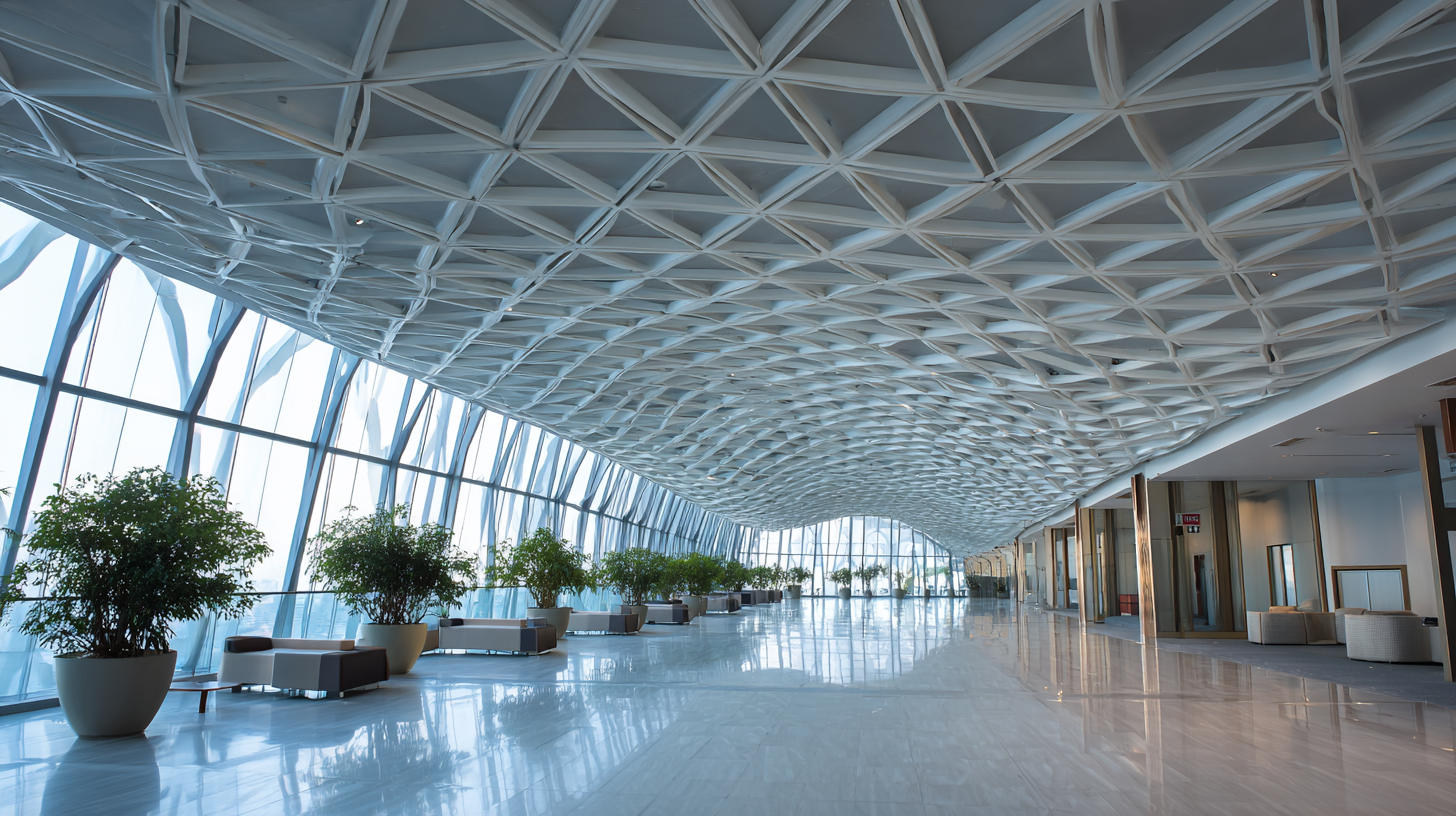 Moreover, with advancements in technology and design, Suspended Metal Ceilings are evolving to meet the diverse needs of modern architectural projects, making them an essential consideration for any contemporary building design.
Advantages of Aesthetic Versatility in Suspended Metal Ceilings
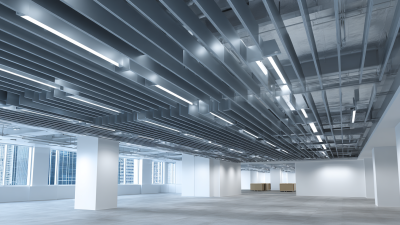
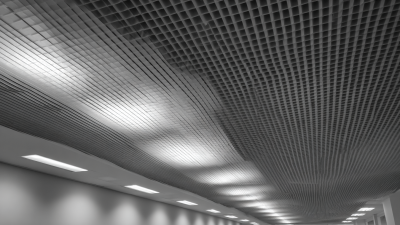
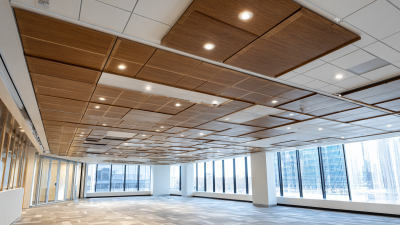
Suspended metal ceiling systems stand out as a versatile choice for modern architecture, primarily due to their aesthetic flexibility. They can seamlessly blend with various interior design styles, ranging from minimalist to industrial chic. According to recent industry reports, nearly 70% of architects believe that the aesthetic appeal of suspended ceilings significantly influences their design decisions, leading to increased adoption of these systems in commercial and residential projects alike. Their ability to accommodate diverse lighting options, patterns, and materials further enhances this aesthetic versatility, making them a favored choice in transport hubs and commercial spaces.
In addition to their visual benefits, suspended metal ceilings offer practical advantages that contribute to their growing popularity. Their design can mitigate noise, improve air quality, and provide resistance to moisture and fire, aligning with modern sustainability goals. A report highlighted that projects using metal ceilings reported improved acoustic performance by up to 40%, making them ideal for environments that require sound control. As the building industry continues to evolve, suspended metal ceiling systems are not only redefining aesthetic possibilities but also promoting sustainable and functional design practices in contemporary architecture.
10 Best Benefits of Using Suspended Metal Ceiling Systems in Modern Architecture
| Benefit |
Description |
| Aesthetic Versatility |
Suspended metal ceilings can be designed in various styles, colors, and textures to match any interior design. |
| Acoustic Control |
These ceilings effectively reduce noise levels in large spaces, enhancing overall acoustic comfort. |
| Easy Installation |
Suspended ceilings are generally easy to install, allowing for quick renovations and less disruption. |
| Accessibility |
They provide easy access to electrical, plumbing, and HVAC systems for maintenance and repairs. |
| Fire Resistance |
Many metal ceiling systems are designed to meet fire safety requirements, offering added protection to buildings. |
| Sustainability |
Metal ceilings can be made from recycled materials and are often fully recyclable at the end of their life cycle. |
| Durability |
They are resistant to moisture, mold, and wear, making them ideal for high-traffic areas. |
| Energy Efficiency |
Metal ceilings can improve a building's energy efficiency by reflecting light and reducing heating and cooling costs. |
| Design Freedom |
The flexibility in design allows architects to innovate and create unique spaces tailored to specific needs. |
Enhanced Acoustic Performance: Sound Control and Comfort
Suspended metal ceiling systems have emerged as a prominent choice in modern architecture, primarily due to their remarkable capacity for enhancing acoustic performance. According to a report by the American Society of Interior Designers (ASID), approximately 70% of people working in open office environments report distractions caused by noise, which can significantly impact productivity and comfort. By integrating suspended metal ceilings, architects can effectively manage sound absorption and transmission, providing a quieter and more conducive work environment.
Research conducted by the National Institute of Health (NIH) highlights that proper acoustic management in workplaces can lead to a 30% increase in employee efficiency. Suspended metal ceilings are designed with sound-absorbing properties that help to minimize reverberation times, thereby reducing unwanted noise levels. This is particularly important in modern spaces such as offices, schools, and healthcare facilities, where clear communication and focus are vital. The strategic use of materials in these ceiling systems can achieve NRC (Noise Reduction Coefficient) ratings of up to 0.90, indicating excellent sound control capabilities, and reinforcing their overall value in enhancing occupant comfort and well-being.
Enhanced Acoustic Performance of Suspended Metal Ceiling Systems
Improved Energy Efficiency: Insulation and Reflective Properties
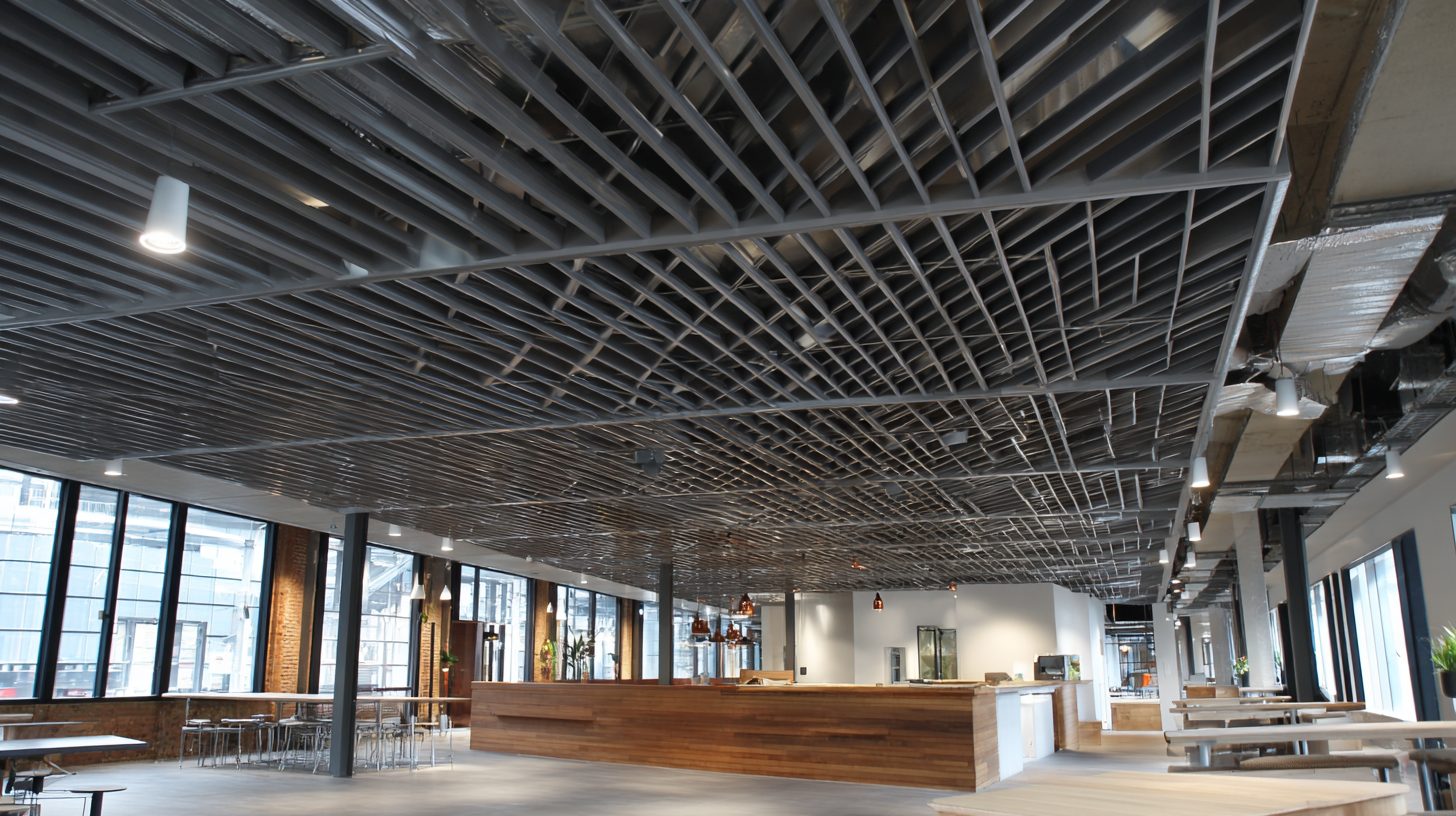 Suspended metal ceiling systems play a pivotal role in enhancing energy efficiency within modern architecture, primarily due to their superior insulation and reflective properties. The use of metal panels in suspended ceilings not only contributes to a sleek and contemporary aesthetic but also effectively regulates indoor temperatures. By reflecting heat away during warmer months, these ceilings help maintain a comfortable environment without over-relying on air conditioning systems. This reflective nature reduces energy consumption, thereby minimizing electricity bills and supporting environmentally sustainable practices.
Additionally, the insulation capabilities of suspended metal ceilings contribute significantly to thermal management. By incorporating sound-absorbing materials alongside metal panels, these systems can also enhance acoustic comfort while providing thermal insulation. This dual benefit is particularly valuable in large commercial spaces where noise management is as crucial as energy efficiency. As buildings increasingly adopt green certifications and strive for lower carbon footprints, suspended metal ceilings present a practical solution for architects and builders aiming to optimize both energy performance and occupant comfort.
Streamlined Maintenance: Easy Access and Cleaning Solutions
Suspended metal ceiling systems offer a streamlined approach to maintenance that aligns perfectly with contemporary architectural needs. These systems not only enhance the aesthetic appeal of modern spaces but also provide easy access for cleaning and repairs. A recent industry report indicated that over 60% of facility managers prioritize maintenance efficiency when designing workspace environments. The accessibility afforded by suspended ceilings facilitates straightforward cleaning and maintenance tasks, allowing staff to manage upkeep with minimal disruption to daily activities.
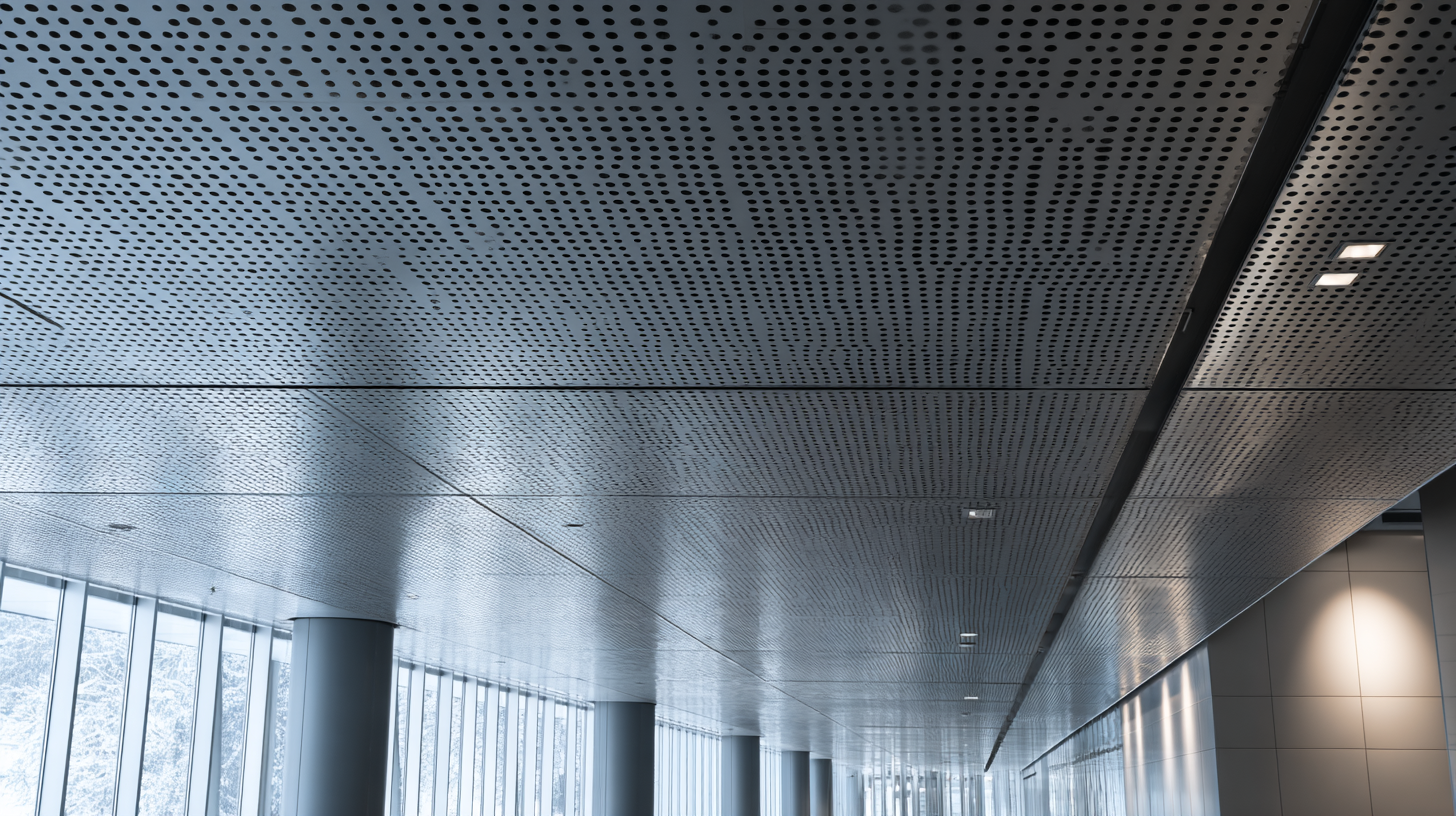
Furthermore, the shift towards advanced cleaning technologies has the potential to revolutionize maintenance routines. For instance, the incorporation of automated cleaning solutions can save significant labor hours. Data shows that investing in modern cleaning equipment, such as robotic vacuums and steam mops, reduces cleaning time by up to 50%. By integrating suspended metal ceilings with these innovative cleaning tools, facilities not only ensure a cleaner environment but also optimize operational efficiency, reflecting a growing trend towards smart building solutions.
Durability and Longevity: Resistance to Wear and Environmental Factors
Suspended metal ceiling systems are becoming increasingly popular in modern architecture, particularly due to their enhanced durability and longevity. These systems are designed to resist wear and environmental factors, making them a sustainable choice for contemporary buildings. According to emerging trends in sustainable building materials, modern ceilings can significantly contribute to overall structural resilience. Research indicates that proper installation and maintenance can extend the lifespan of these systems, reinforcing their value as a long-term investment in architectural projects.
Additionally, the role of technology in developing these metal ceiling systems has drastically improved their performance. A study highlighted that advanced materials can withstand extreme temperature variations and humidity, which are critical in preserving the structural integrity of buildings. For instance, hybrid pigments used in metal finishes not only add aesthetic appeal but also enhance durability against environmental degradation. This is particularly significant when considering the impact of climate change on building materials, as factors such as moisture and temperature fluctuations can lead to substantial performance losses. By utilizing suspended metal ceilings, architects can create spaces that are not only visually striking but also resilient to the challenges posed by their environments.