Top 5 Benefits of Using Steel Studs for Construction Projects?
In today's construction industry, choosing the right materials is crucial. "Steel Studs" play a significant role in modern building practices. According to John Smith, an expert in structural engineering, "Steel Studs offer unmatched durability and cost-efficiency." His insight highlights the growing trend towards utilizing Steel Studs.
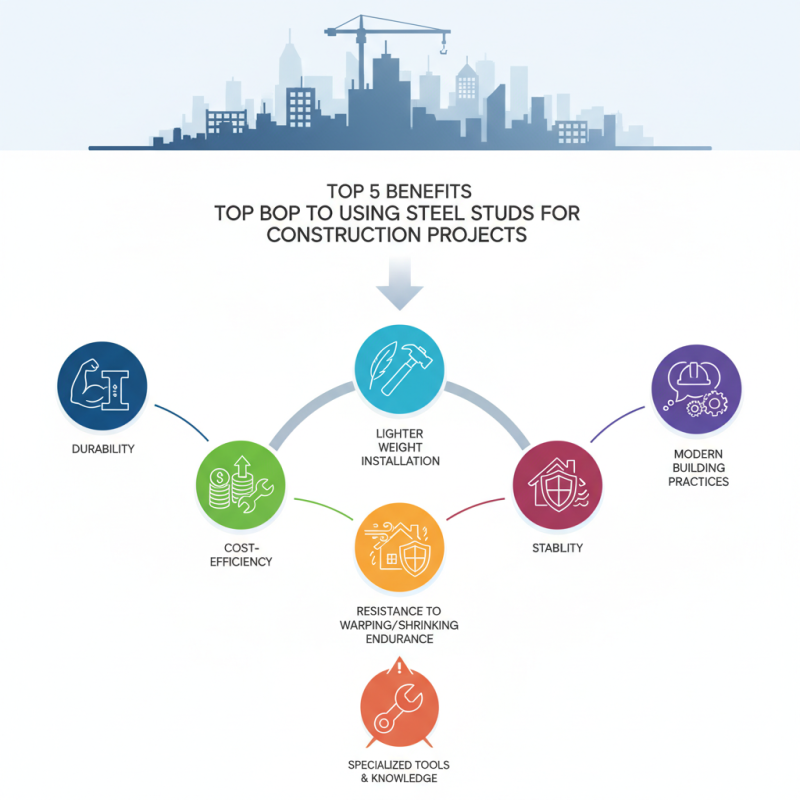
Using Steel Studs provides numerous advantages. They are lighter than traditional wooden framing. This not only eases transportation but also speeds up installation. Steel Studs resist warping and shrinking, unlike wood, ensuring a stable structure over time. Buildings made with Steel Studs often endure better in harsh conditions.
However, it’s essential to acknowledge some challenges. Installation requires specialized tools and knowledge. Not every team may have experience working with Steel Studs. Understanding these dynamics can make a significant difference in project success. Balancing benefits and potential pitfalls will guide construction professionals toward the best decisions.
Benefits of Steel Studs: An Overview of Construction Applications
Steel studs offer significant advantages in construction projects. Their lightweight nature makes them easier to transport and handle. This efficiency can reduce labor costs, especially in large-scale builds. According to industry reports, using steel studs can decrease overall construction time by 30%. This rapid assembly is beneficial for tight deadlines.
The durability of steel studs is another crucial benefit. They resist moisture and insects, ensuring longevity. In fact, studies show that buildings using steel studs have a lifespan increase of up to 50 years compared to traditional wood framing. However, some contractors express concerns about insulation and thermal efficiency. Proper techniques must be used to address these issues.
Fire resistance is a notable characteristic of steel studs. They don’t combust, providing added safety. Data reveals that steel-framed buildings often meet or exceed fire code standards. Yet, misconceptions about steel and heat retention still exist. Clear communication of their properties is essential in the construction process.
Top 5 Benefits of Using Steel Studs for Construction Projects
| Benefit |
Description |
Application |
| Durability |
Steel studs are resistant to warping, rotting, and pests, ensuring longevity in construction. |
Commercial buildings, industrial warehouses. |
| Cost-effectiveness |
Lower material and labor costs due to lightweight nature and ease of installation. |
Residential and commercial construction. |
| Fire Resistance |
Steel studs are non-combustible, providing safety benefits in case of fire. |
High-rise buildings, schools, hospitals. |
| Versatility |
Can be used in various applications including walls, ceilings, and partitions. |
Office layouts, retail spaces. |
| Sustainability |
Made from recyclable materials, reducing environmental impact. |
Green building projects, eco-friendly constructions. |
Durability and Strength: Why Steel Studs Outperform Traditional Materials
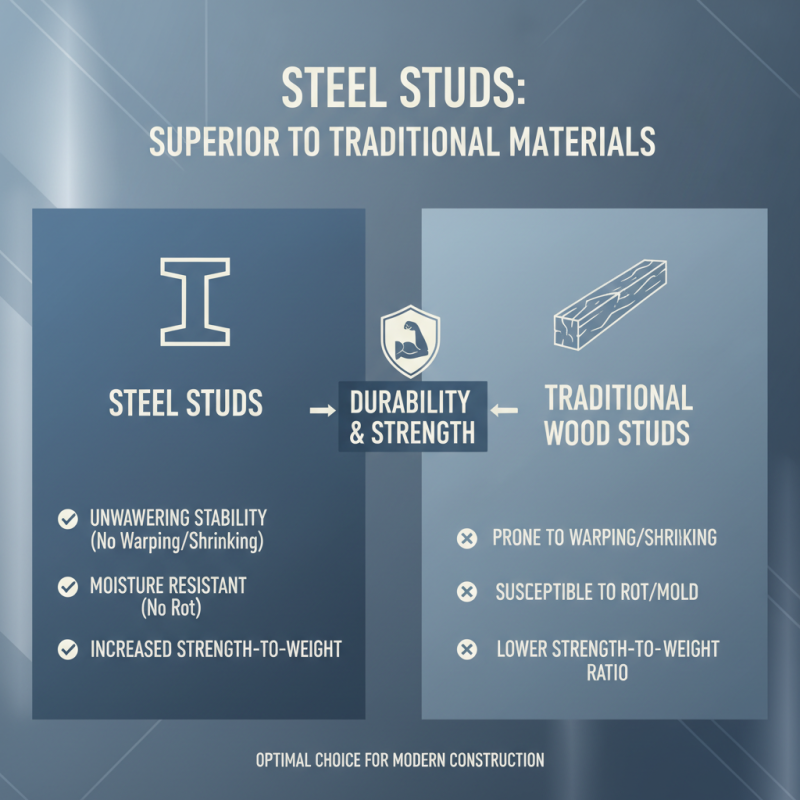
When considering materials for construction, durability and strength stand out as crucial factors. Steel studs excel in both areas, making them an optimal choice for various building projects. Unlike traditional wood studs, steel does not warp or shrink over time. This stability ensures walls remain straight and true. In areas prone to moisture, such as basements, steel's resistance to rot is a significant advantage.
Moreover, steel studs provide superior strength. They can support heavier loads without bending or breaking. This quality is vital in multi-story buildings where structural integrity is paramount. However, some may point out that steel can be more challenging to work with than wood. The implementational aspects require a different set of skills, which can be a barrier for some.
Nevertheless, the long-term benefits outweigh the initial challenges. Steel's fire resistance adds another layer of safety. This feature is particularly appealing in densely populated areas, where safety regulations are strict. Furthermore, the recycling potential of steel contributes to sustainability efforts. Despite the learning curve, many find that the investment in steel studs yields lasting results that enhance the overall quality of construction projects.
Cost-Effectiveness: Long-Term Savings with Steel Studs in Construction
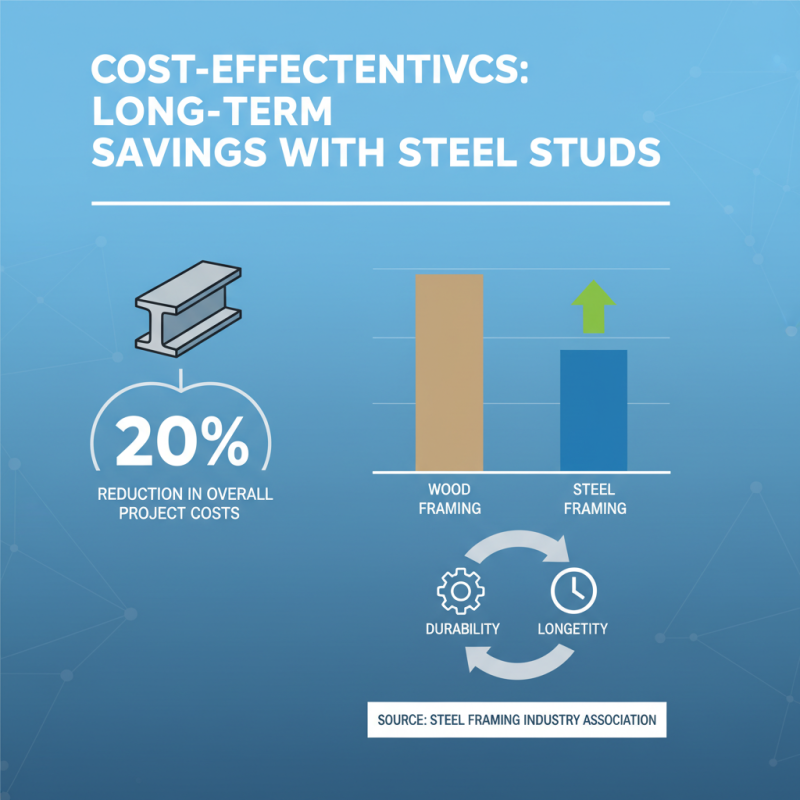
When it comes to construction, steel studs are becoming a preferred choice. They offer significant benefits, especially in terms of cost-effectiveness. According to a report by the Steel Framing Industry Association, using steel studs can result in a 20% reduction in overall project costs compared to traditional wood framing methods. This is primarily due to their durability and longevity.
Steel studs do not warp or shrink. They resist termites and mold, reducing maintenance costs over time. A study from the National Association of Home Builders indicates that steel structures can last up to 50 years with minimal maintenance. This can lead to substantial savings over the lifespan of the building.
**Tip:** Consider the initial cost of materials versus long-term savings. While the upfront investment in steel may seem higher, the durability often translates to lower maintenance and replacement costs.
Moreover, steel is fully recyclable. This enhances the sustainability quotient of construction projects. Utilizing recycled steel can further reduce costs. However, builders should pay attention to fluctuating steel prices which can impact budgets.
**Tip:** Stay informed about market trends. Regularly check steel prices to make timely purchasing decisions that maximize savings.
Lightweight Design: Enhancements in Handling and Installation Efficiency
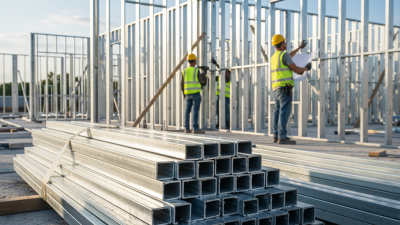
Using steel studs in construction offers significant advantages in terms of efficiency. A standout feature is their lightweight design. Compared to traditional wood or masonry, steel studs are easier to handle. Workers can lift and maneuver them with less effort, reducing physical strain on job sites. This aspect can enhance labor productivity, allowing projects to progress smoothly.
Efficient installation is another critical benefit. Steel studs come pre-cut and pre-drilled for utility lines, which saves time. Crew members can ensure precise alignment and reduce on-site adjustments. However, some may find that the initial learning curve with new tools or techniques can slow them down. Overcoming this requires training and practice, which takes time upfront but pays off in speed later.
Among the challenges is the need for specific tools, as standard wood-building tools may not suffice. Construction crews must invest in the right equipment. While this might seem like a drawback, it ensures a professional finish. The installation process becomes streamlined, leading to a sturdier frame and overall structure. With careful handling and planning, the use of steel studs can significantly improve project outcomes.
Sustainability: Environmental Advantages of Using Steel in Building Projects
Using steel studs in construction projects not only enhances structural integrity but also promotes sustainability. Steel is one of the most recycled materials globally, with over 90% of it being repurposed after its initial use. This means that when you choose steel, you are supporting a circular economy. Moreover, the process of producing steel has become more energy-efficient over the years, leading to reduced carbon emissions.
Another significant environmental advantage is the durability of steel. Unlike wood, steel does not warp or decay. This longevity means fewer resources are consumed over time due to the need for repairs or replacements. While wood may seem like a natural choice, it often requires treatments that can be harmful to the environment. Steel avoids this pitfall, providing a reliable and sustainable alternative.
It's crucial to acknowledge that not all steel production is created equal. Some methods are less environmentally friendly than others. Using steel from responsible sources can further enhance sustainability. Project managers must consider their suppliers carefully. Choosing the right materials and processes impacts both the environment and the overall success of a construction project.
Top 5 Benefits of Using Steel Studs for Construction Projects