Top 5 Benefits of Suspended Metal Ceilings for Modern Interiors
In the ever-evolving landscape of modern interior design, suspended metal ceilings have emerged as a prominent choice for architects and designers alike. According to a recent report by MarketsandMarkets, the global market for suspended ceilings is projected to reach $5.78 billion by 2025, showcasing a CAGR of 7.2%. This upward trend highlights the increasing demand for innovative building materials that cater to aesthetic versatility while delivering essential functional benefits.
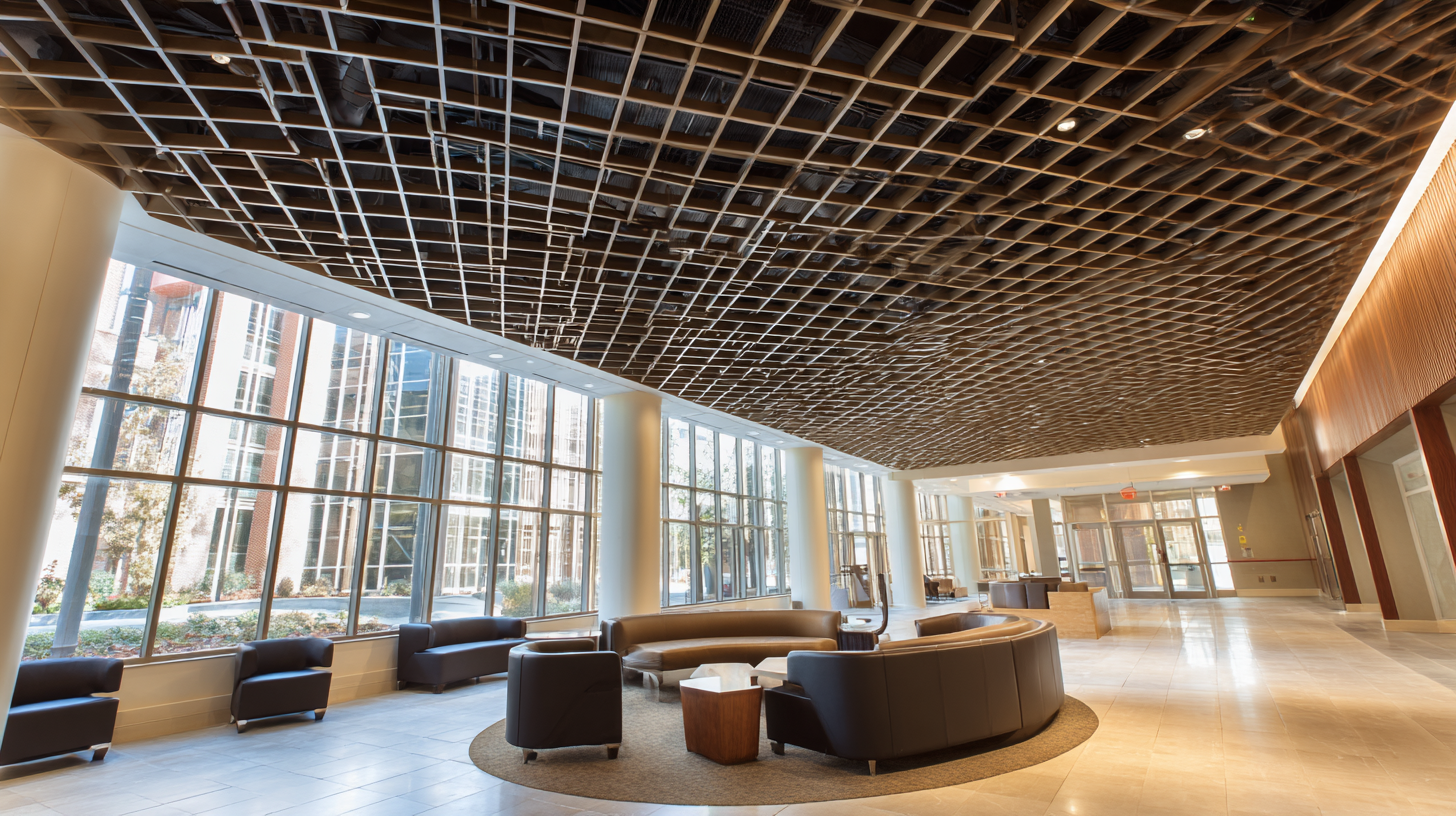 As noted by industry expert Dr. Jane Holloway, a leading figure in architectural acoustics and materials science, "Suspended Metal Ceilings not only elevate the visual appeal of a space but also enhance acoustic performance and sustainability." With their unique combination of fire resistance, sound absorption, and ease of maintenance, suspended metal ceilings are redefining what modern spaces can achieve. This article explores the top five benefits of incorporating suspended metal ceilings into contemporary interiors, demonstrating why they are a worthy investment for both residential and commercial projects.
Enhancing Acoustic Performance in Modern Spaces with Suspended Metal Ceilings
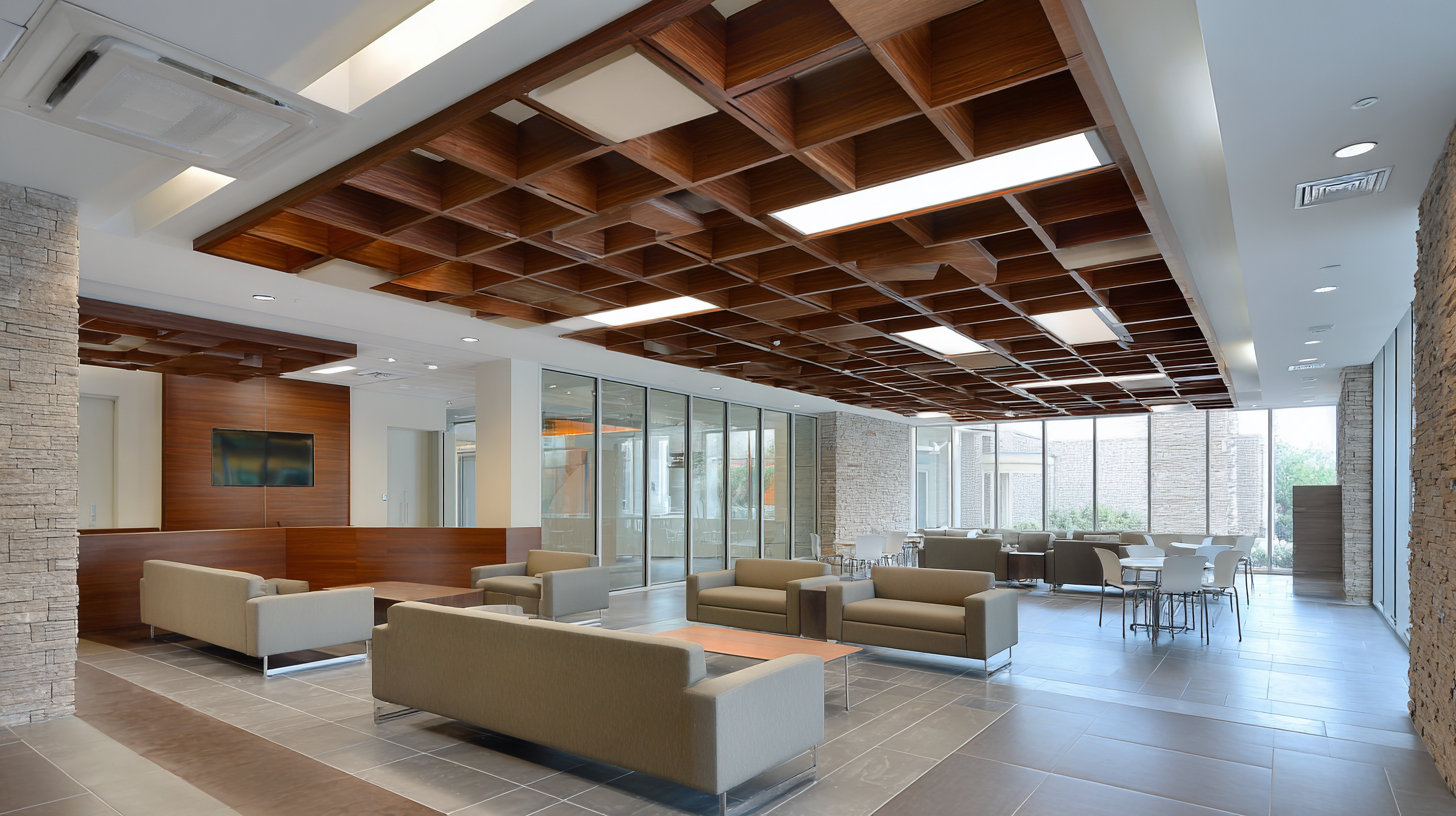 Suspended metal ceilings are increasingly recognized for their ability to enhance the
acoustic performance of modern interiors. By incorporating sound-absorbing materials and innovative designs,
these ceilings can significantly reduce noise levels in bustling environments such as offices,
schools, and public spaces. The panels are designed to trap sound waves, minimizing echoes and creating a more
comfortable auditory experience. This is particularly beneficial in open-plan layouts, where noise can become a disruptive factor.
Suspended metal ceilings are increasingly recognized for their ability to enhance the
acoustic performance of modern interiors. By incorporating sound-absorbing materials and innovative designs,
these ceilings can significantly reduce noise levels in bustling environments such as offices,
schools, and public spaces. The panels are designed to trap sound waves, minimizing echoes and creating a more
comfortable auditory experience. This is particularly beneficial in open-plan layouts, where noise can become a disruptive factor.
Moreover, the sleek and contemporary aesthetic of suspended metal ceilings does not compromise their functional advantages. The architectural flexibility they
offer allows designers to create visually appealing spaces while still addressing acoustic concerns. With various finishes and colors available, these ceilings can
seamlessly blend into any design scheme, providing both beauty and practicality. As modern spaces prioritize both form
and function, suspended metal ceilings stand out as a superior choice for enhancing acoustic performance
without sacrificing style.
Elevating Design Aesthetics: The Visual Appeal of Suspended Metal Ceilings
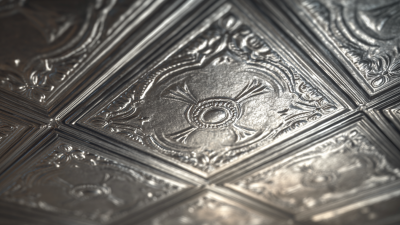
Suspended metal ceilings are increasingly becoming a popular choice in modern interior design, primarily due to their striking visual appeal. According to the "Global Ceiling Tiles Market Report 2023," the aesthetic qualities of ceiling materials play a crucial role in influencing design choices, with over 45% of architects considering ceiling designs as a significant aspect of overall space aesthetics. These ceilings offer a sleek, contemporary look that can transform ordinary spaces into stylish environments. Their variety in finishes—from brushed aluminum to polished steel—allows designers to create unique visual impacts, aligning perfectly with current trends towards minimalism and industrial chic.
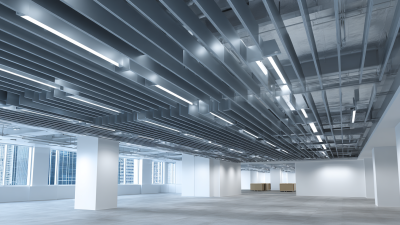
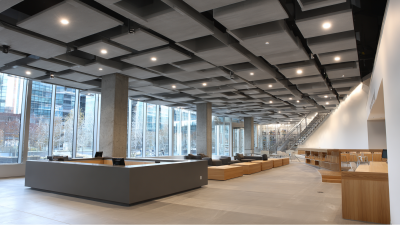
Moreover, the installation of suspended metal ceilings can enhance the perceived height of a room, creating an illusion of spaciousness that is highly sought after in urban interiors. A recent study by the American Institute of Architects highlighted that well-designed ceiling systems can improve the acoustics of a space by reducing sound reverberation, making them a dual-purpose element in both form and function. This combination of aesthetic enhancement and practical benefits makes suspended metal ceilings an ideal choice for modern spaces, effectively marrying beauty with utility in interior design.
Top 5 Benefits of Suspended Metal Ceilings
Maximizing Sustainability: Eco-Friendly Benefits of Metal Ceiling Systems
Suspended metal ceilings are increasingly becoming a popular choice for modern interiors, not just for their aesthetic appeal but also for their eco-friendly benefits. These ceilings are often made from recyclable materials, significantly reducing the carbon footprint associated with interior renovations. Additionally, metal ceilings provide excellent durability, which means that they require less frequent replacement compared to traditional materials, further enhancing their sustainability profile.
When considering a suspended metal ceiling for your space, look for options that emphasize recycled content. Many manufacturers now offer products with a high percentage of recycled metal, which helps conserve resources and minimizes environmental impact. Installing a ceiling that contributes to better air quality is another important factor; many metal ceiling systems are designed to integrate easily with advanced HVAC technology, promoting efficient air circulation and reducing energy consumption.
To maximize sustainability in your choice of metal ceilings, always check for certifications like LEED (Leadership in Energy and Environmental Design), which ensures that the materials used are environmentally responsible. Furthermore, consider the installation process; opting for a system that minimizes waste during setup can further enhance the eco-friendliness of your project. Embracing these tips will not only benefit the planet but also elevate the overall design and functionality of modern interiors.
Top 5 Benefits of Suspended Metal Ceilings for Modern Interiors - Maximizing Sustainability: Eco-Friendly Benefits of Metal Ceiling Systems
| Benefit |
Description |
Environmental Impact |
Cost Efficiency |
| Durability |
Metal ceilings are resistant to moisture, fire, and pests, ensuring a long lifespan. |
Reduced need for replacements decreases waste. |
Lower maintenance costs over time. |
| Recyclability |
Metal ceilings can be fully recycled at the end of their lifecycle. |
Minimizes landfill waste. |
Can reduce costs in waste management and disposal. |
| Energy Efficiency |
Metal ceilings can reflect more light and reduce lighting needs. |
Lower energy consumption leads to reduced carbon footprint. |
Decreased energy bills for lighting and HVAC. |
| Aesthetic Versatility |
Available in various designs, finishes, and colors to suit different interior styles. |
Promotes modern and sustainable design aesthetics. |
Enhances property value through attractive design. |
| Noise Reduction |
Can include acoustic properties to minimize sound pollution. |
Improves indoor air quality and comfort. |
Creates a more pleasant environment, potentially increasing productivity. |
Streamlining Maintenance: How Suspended Metal Ceilings Simplify Upkeep
Suspended metal ceilings are increasingly being favored in modern interiors, primarily due to their low maintenance requirements. Unlike traditional ceiling materials, metal ceilings are durable and resistant to moisture, grime, and mold, leading to less frequent cleaning and upkeep. According to a report by the American Society of Interior Designers, spaces utilizing metal ceilings can save up to 30% in maintenance costs over traditional ceiling options. This not only contributes to a tidier aesthetic but also enhances the longevity of the interior space, making it an economical choice in the long run.
When considering the installation of suspended metal ceilings, it's crucial to ensure proper accessibility for maintenance checks. Regular inspections can prevent potential issues from escalating, ensuring the space remains pristine. Utilizing a high-quality finish can also simplify cleanup; many metal ceilings are designed to be wiped down effortlessly.
**Tips:**
- Schedule biannual maintenance checks to assess the condition of the ceilings and address any minor issues before they become major problems.
- Choose modular tile designs, which allow for easy replacement of panels if damage occurs, without needing to disrupt the entire system.
Boosting Durability: The Longevity and Resilience of Metal Ceilings in Interiors
Suspended metal ceilings are increasingly becoming a preferred choice in modern interior design, and one of the standout benefits is their remarkable durability. According to a report from the Metal Building Manufacturers Association (MBMA), metal ceilings can last upwards of 30 years with minimal maintenance, significantly outlasting traditional ceiling materials such as drywall or plaster. This longevity is primarily due to the inherent resilience of metal, which is resistant to warping, cracking, and fading, unlike more porous materials often susceptible to environmental damage.
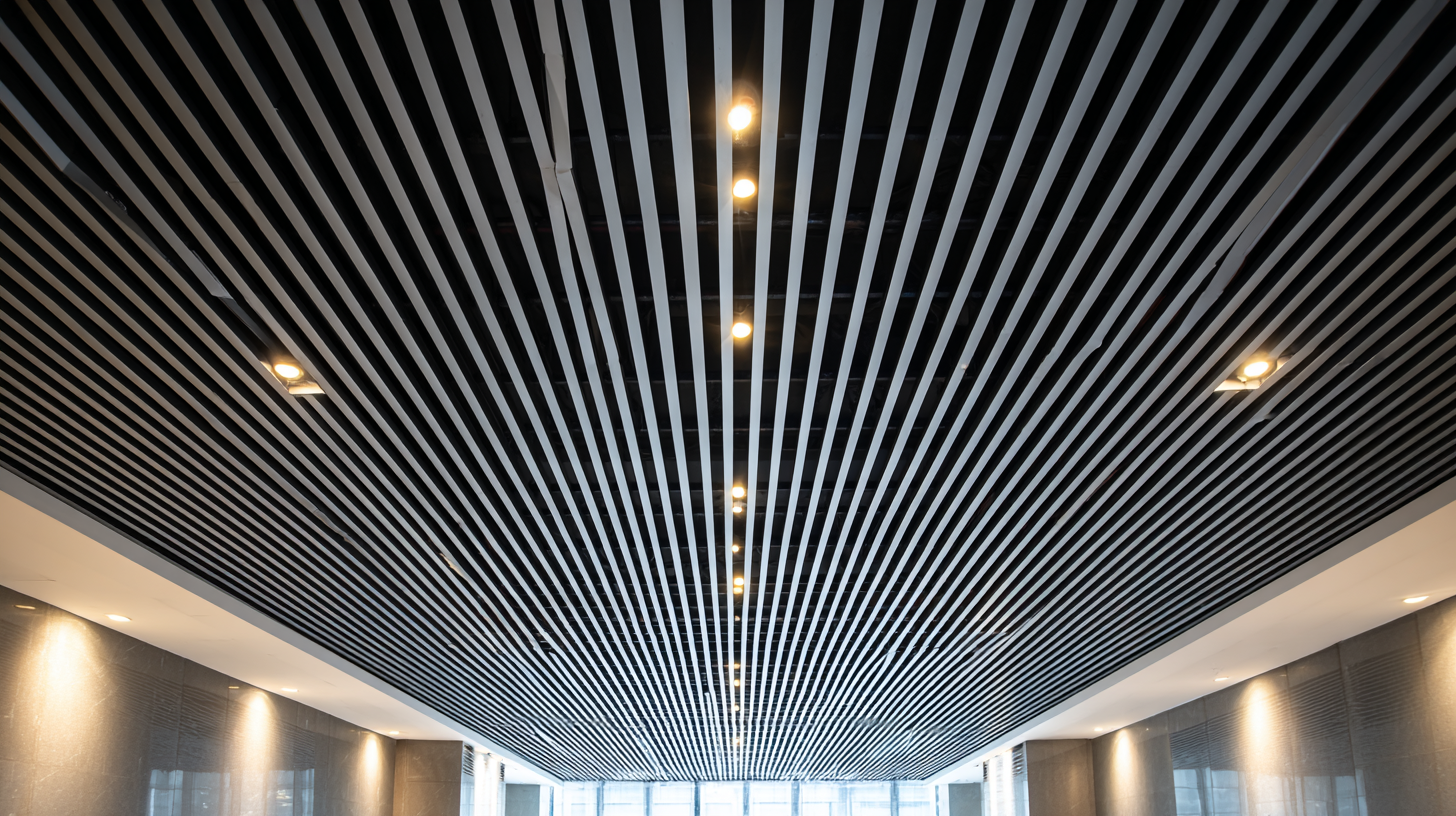
In addition to their lasting power, metal ceilings also enhance resilience against various interior challenges. Research published in the Journal of Architectural Engineering indicates that metal ceilings provide increased fire resistance and are less likely to harbor mold or pests, contributing to healthier indoor air quality. This feature is particularly essential in commercial spaces where safety and hygiene are paramount. With their robust performance and long lifecycle, suspended metal ceilings not only add aesthetic value to modern interiors but also ensure a cost-effective solution over time, making them an optimal choice for sustainability-minded designers.