Understanding the Applications of Hat Channel in Modern Construction
In the ever-evolving landscape of modern construction, the Hat Channel has emerged as a pivotal component, offering both versatility and structural integrity to various building projects. According to a report by the National Association of Manufacturers, the demand for lightweight steel framing systems, including Hat Channels, has grown significantly, with the market projected to reach $1.7 billion by 2025. This innovative construction element plays a crucial role in supporting wall assemblies and ceilings, providing a robust framework that is essential for energy efficiency and sustainability in building design.
Furthermore, a study by the Steel Framing Alliance highlights that incorporating Hat Channels can lead to reductions in material waste, reinforcing their role in eco-friendly construction practices. As we delve deeper into the applications of Hat Channels in modern construction, it becomes clear that this seemingly simple component is fundamental to achieving greater efficiency and resilience in today's architectural endeavors.
Applications of Hat Channel in Structural Steel Frameworks: A Data-Driven Approach
Hat channels, with their distinct shape resembling a hat, are essential components in modern structural steel frameworks. Their versatility allows them to be employed in various applications, from supporting overhead systems to forming part of wall framing. A data-driven approach to understanding the applications of hat channels reveals their effectiveness in optimizing structural integrity while minimizing material costs. By analyzing load distribution and stress factors, engineers can make informed decisions on where to implement these channels for maximum efficiency.
Recent advancements in computational modeling and simulation have further highlighted the benefits of hat channels in construction. Through detailed analysis, professionals can tailor their usage to specific project requirements, ensuring that each build achieves the necessary strength without excess weight. This not only enhances the safety and longevity of structures but also fosters sustainable building practices by reducing the overall material footprint. The integration of hat channels into structural designs exemplifies the modern trend towards data-informed methodologies in construction, emphasizing both innovation and practicality in meeting today's building challenges.
Applications of Hat Channel in Modern Construction
Cost Efficiency of Hat Channels in Construction: A Comparative Analysis
Hat channels, known for their distinctive U-shape, play a pivotal role in modern construction, particularly in terms of cost efficiency. When evaluating their economic impact, a comparative analysis reveals that hat channels offer significant advantages over traditional framing materials. The lightweight nature of hat channels reduces transportation costs and simplifies installation, leading to substantial savings on labor expenses.
Additionally, their durability and resistance to environmental factors reduce the need for frequent replacements or repairs, contributing to long-term financial benefits.
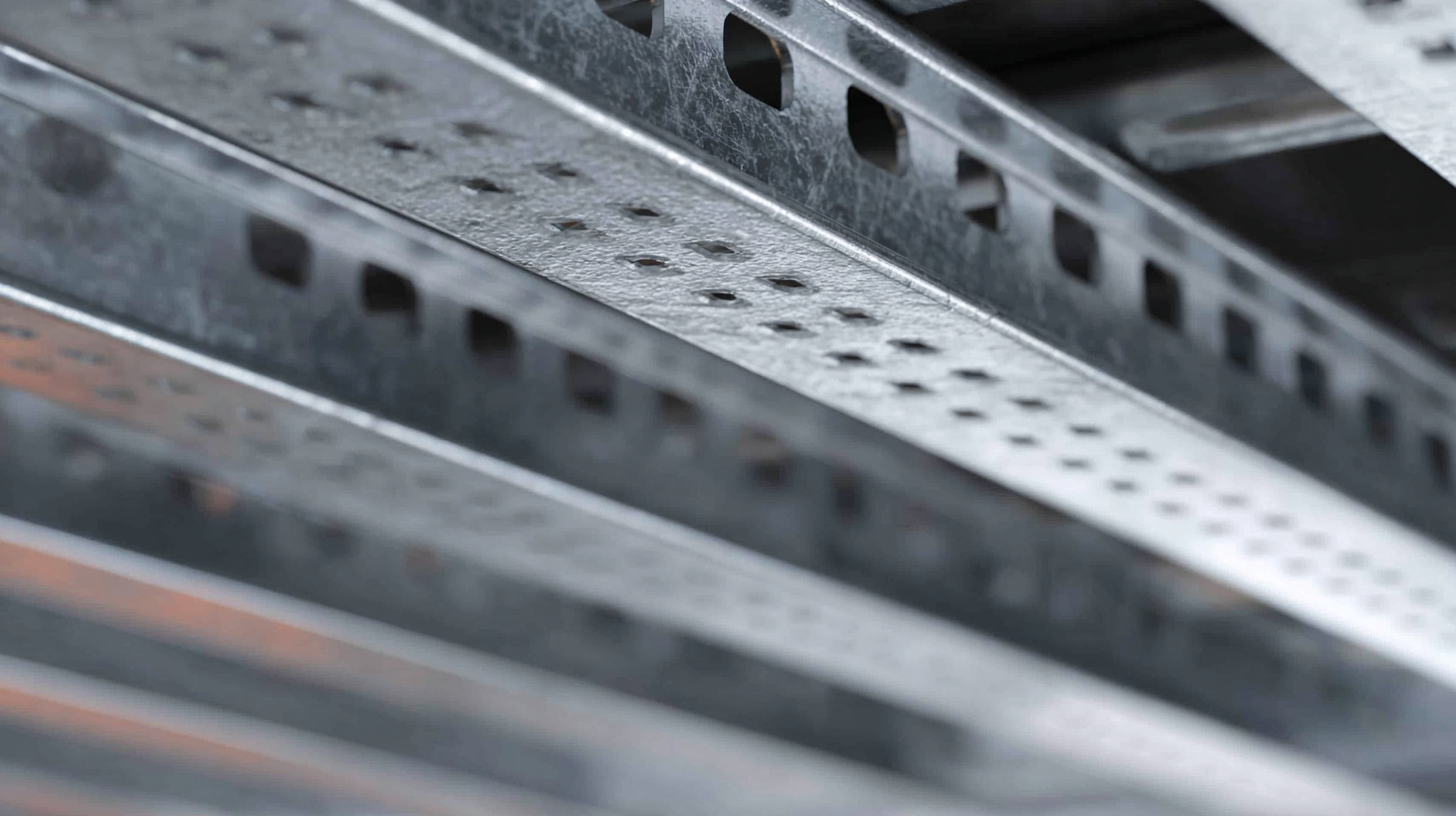
Moreover, the flexibility of hat channels in design applications allows for innovative architectural solutions without compromising structural integrity. Compared to conventional materials such as steel beams or lumber, hat channels can be produced at a lower cost while still meeting the necessary safety standards. This affordability does not come at the expense of performance; instead, it empowers builders to allocate resources more effectively across a project.
Consequently, integrating hat channels into building designs not only enhances structural efficiency but also promotes overall budget optimization in today's competitive construction landscape.
Impact of Hat Channel on Load-Bearing Capacity in Modern Building Design
In modern construction, the use of hat channels has become increasingly prominent due to their significant impact on load-bearing capacity. A recent report by the American Institute of Steel Construction (AISC) highlights that structures utilizing hat channels can enhance their overall stiffness and strength, allowing for efficient load distribution across various components. This is particularly beneficial in high-rise buildings where wind loads and seismic activities pose considerable challenges.
Studies indicate that hat channels can improve load-bearing performance by up to 30% compared to traditional framing methods, making them an essential choice for engineers and architects alike.
Moreover, the versatility of hat channels extends to various applications, from supporting curtain walls to functioning as part of floor systems. According to data from the Steel Construction Institute (SCI), integrating hat channels into design not only optimizes structural integrity but also offers a lightweight alternative to traditional steel beams.
This reduction in weight allows for easier handling and installation, which can substantially lower overall construction costs. With the increasing focus on sustainability in building design, the efficiency and performance benefits of hat channels position them as a critical element in modern construction practices.

Sustainability Benefits: Hat Channels and Their Role in Eco-Friendly Construction
Hat channels, with their distinctive shape and structural efficiency, are becoming increasingly popular in modern construction, particularly in eco-friendly projects. These galvanized steel components not only offer robust support for various building elements but also play a significant role in sustainable construction practices. The innovative design of hat channels enables efficient use of materials, reducing waste during both manufacturing and installation processes. By optimizing material usage, hat channels contribute to minimizing the overall environmental impact of construction activities.
Moreover, hat channels are compatible with a variety of sustainable building materials, such as lightweight insulation and renewable materials. Their lightweight nature can also lead to reduced energy consumption during transportation and installation, further enhancing their eco-friendly profile. Additionally, the durability of hat channels means that structures are likely to have a longer lifespan, reducing the need for frequent repairs or replacements, which can contribute to long-term sustainability. In this way, hat channels not only support the structural integrity of buildings but also align with the growing demands for sustainable and responsible construction practices.
Innovative Techniques for Hat Channel Installation and Optimization in Projects
In modern construction, the hat channel has emerged as a versatile and innovative solution for various applications, especially in wall framing and support systems. This thin, channel-shaped metal profile offers structural integrity while minimizing weight, making it an ideal choice for both residential and commercial projects. With advancements in installation techniques, builders can benefit from enhanced efficiency and reduced labor costs, ensuring that projects proceed smoothly and stay within budget.
The optimization of hat channel installation involves the use of innovative methods that streamline the process. Techniques such as prefabrication of components allow for quicker assembly on-site, reducing the time tradespeople spend working in potentially hazardous environments. Additionally, employing digital measurement tools ensures precision in fitting, resulting in fewer errors and rework.
As the construction industry continues to embrace technological advancements, the integration of hat channels with modern materials and construction practices is not only changing the way structures are built but also setting new standards for durability and performance.