What is Aluminum Wave Ceiling and its Benefits?
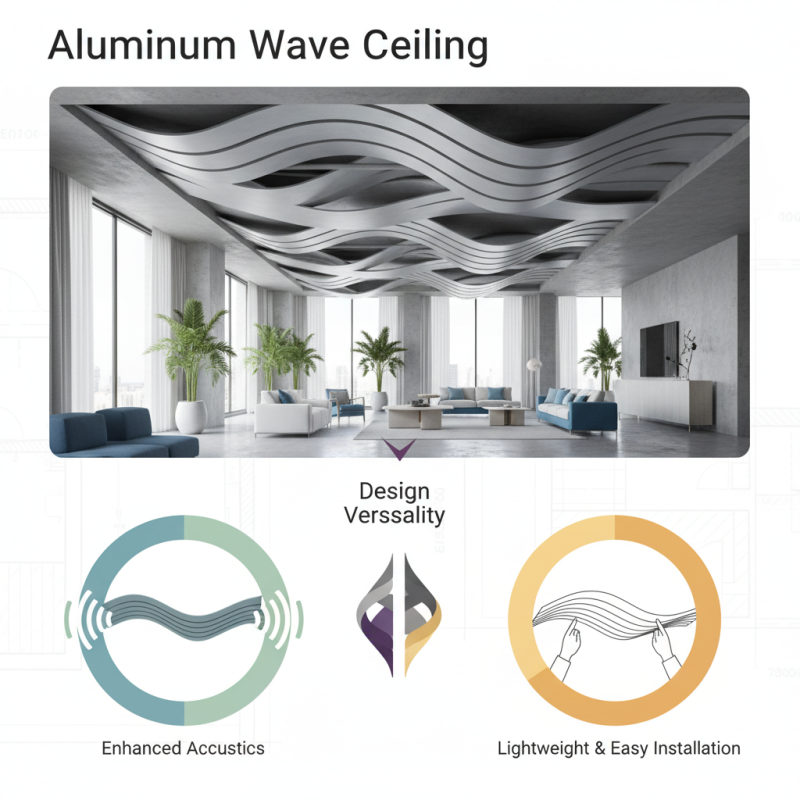
Aluminum Wave Ceiling is an innovative architectural design feature. It combines functionality with aesthetic appeal. This ceiling type provides a unique wavy appearance, adding depth to spaces. It is not just about looks; it also offers practical benefits.
Using Aluminum Wave Ceiling can enhance acoustics in a room. The waves help diffuse sound, creating a more pleasant environment. Additionally, they are lightweight and easy to install. However, some may find installation costs to be higher than traditional ceilings. This aspect requires careful consideration.
Design versatility is another advantage. The Aluminum Wave Ceiling can be tailored to various styles and preferences. It can suit modern, industrial, or classic themes. Yet, one must reflect on maintenance requirements. Regular cleaning is necessary to keep it looking its best. Ultimately, understanding the balance of aesthetics and practicality is key when choosing this ceiling type.
Introduction to Aluminum Wave Ceiling
Aluminum wave ceilings have gained popularity in modern architecture. They offer a unique aesthetic appeal that can transform any interior space. These ceilings are composed of thin aluminum sheets, shaped to create a wave-like design. This structure not only adds visual interest but also enhances acoustic performance. According to a report by the American Society of Interior Designers, well-designed ceilings can improve sound quality by up to 40%.
One of the significant benefits of aluminum wave ceilings is their durability. They are resistant to corrosion, making them ideal for humid environments. This feature reduces maintenance costs over time. Additionally, aluminum ceilings are lightweight, which simplifies installation. However, some users have reported challenges in achieving seamless installation. There may be visible seams or gaps if not installed correctly.
Moreover, sustainability is a crucial factor. Aluminum is a recyclable material, contributing to eco-friendly building practices. A study from the Green Building Council indicates that using recycled aluminum saves 90% of the energy required for new production. Yet, there are concerns regarding the initial environmental impact of aluminum mining. While the benefits are substantial, the industry still needs to address these environmental issues.
Design and Aesthetic Appeal of Aluminum Wave Ceilings
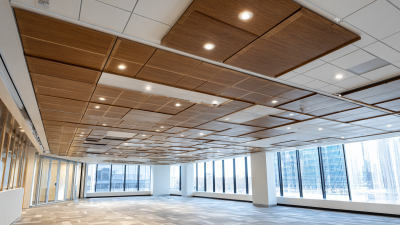
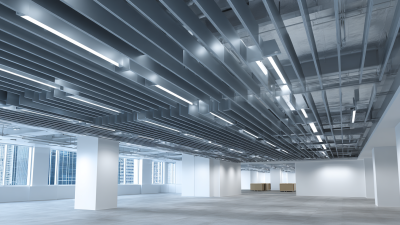
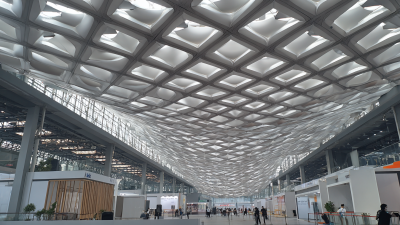
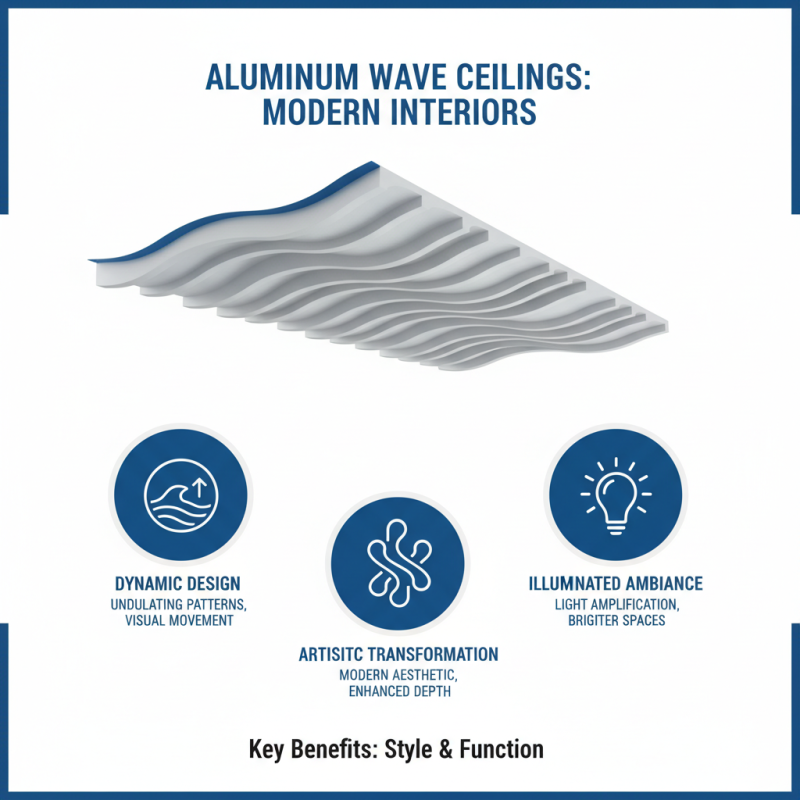
Aluminum wave ceilings introduce a modern touch to interior design. Their unique undulating patterns create movement and depth. This design captivates the eye, enhancing any space. A wave ceiling can transform a mundane room into an artistic experience. The reflective surface of aluminum amplifies light, creating a vibrant atmosphere.
In restaurants or galleries, these ceilings draw attention. Customers often gaze upward, mesmerized by the design. Yet, while beautiful, the installation requires careful planning. Proper alignment is crucial to avoid awkward gaps. Uneven installation can detract from the appeal. Even skilled professionals can face challenges.
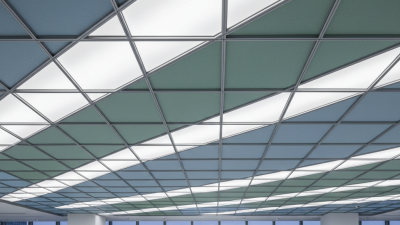
Color choices add to the aesthetic. Some may prefer a sleek, metallic finish, while others lean towards vibrant hues. But it’s essential to consider the overall theme. A mismatch can confuse the visual narrative. Each choice shapes how we experience space. It's a balance between innovation and functionality.
Benefits of Using Aluminum Wave Ceilings in Interior Spaces
Aluminum wave ceilings have gained popularity in interior design for various compelling reasons. Their unique structure creates a visually dynamic effect in any space. This design feature provides a sense of movement and flow, making ceilings more interesting and engaging. The aesthetic appeal can transform an ordinary room into something extraordinary.
One key benefit of aluminum wave ceilings is their durability. Unlike traditional materials, aluminum resists moisture, rust, and pests. This longevity allows for lower maintenance costs over time. Furthermore, the lightweight nature of aluminum makes installation relatively easy. It saves time and effort during renovations or new constructions.
On another note, these ceilings can create an echoing effect in large spaces. This can be problematic in places like auditoriums or theaters. Ensuring sound quality may require additional treatments or materials. Designers need to think carefully about acoustics when choosing wave ceilings. Balancing aesthetics and functionality is crucial for achieving the desired environment.
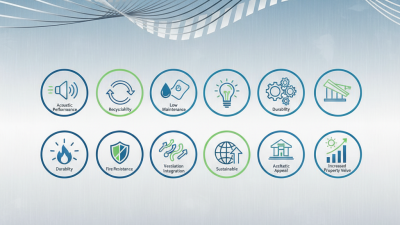
Benefits of Aluminum Wave Ceilings
Installation Process and Considerations for Aluminum Wave Ceilings
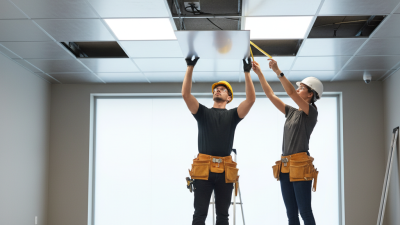
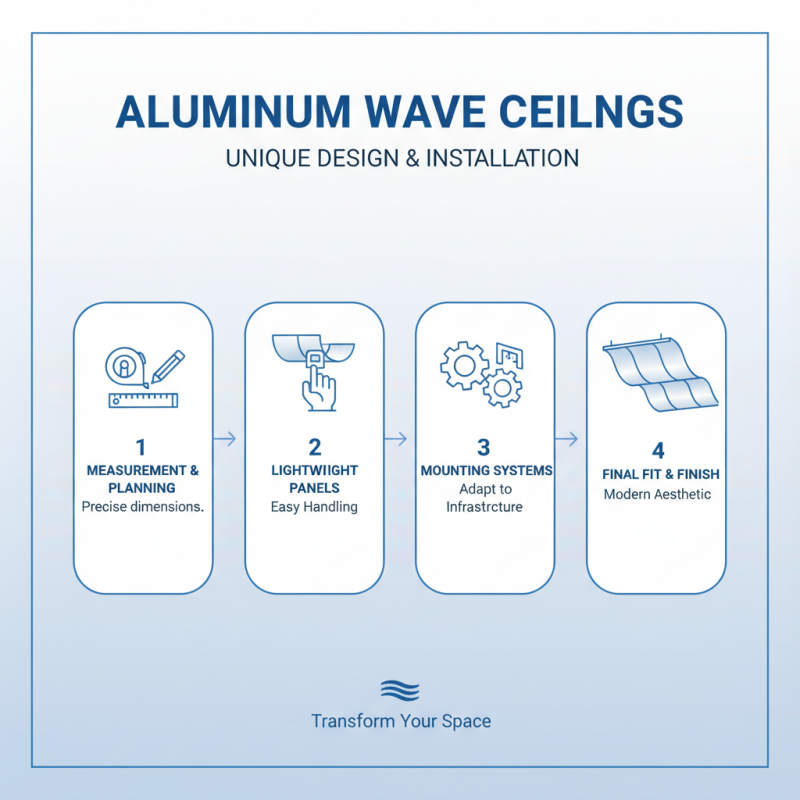
Aluminum wave ceilings offer a unique design element for both commercial and residential spaces. Their installation process requires careful planning and execution. Proper measurements must be taken to ensure a perfect fit. The ceiling panels are typically lightweight, making them easier to handle during installation. It’s crucial to select appropriate mounting systems, which may vary based on the ceiling height and type of infrastructure.
During installation, ensure adequate support is provided for the wave panels. Many industry reports indicate that improper installation can lead to sagging, affecting aesthetics and functionality. Use level tools frequently to maintain consistency throughout the project. The installation time can vary, often taking a few hours to a couple of days, depending on the space size.
Tips: Always consult professional guidelines for mounting hardware. Consider using a professional installer if you lack experience. Review the ceiling height and lighting placement to enhance the visual appeal. Aluminum wave ceilings not only provide beauty but also great acoustic benefits. They can absorb sound, reducing noise levels effectively, which is especially beneficial in office settings. Always look for opportunities to improve the design, reflecting on what worked and what didn’t.
Maintenance and Durability of Aluminum Wave Ceilings
Aluminum wave ceilings have gained popularity for their aesthetic appeal and functionality. However, one crucial aspect that often comes to the forefront is their maintenance and durability. According to a recent report by the Institute of Architectural Research, aluminum ceilings can last up to 40 years with proper care. This longevity is attributed to aluminum's natural resistance to corrosion and rust, making it suitable for various environments.
Regular cleaning is essential to maintain the ceiling’s appearance. Experts recommend using mild detergents and soft cloths. Abrasive materials can damage the surface, reducing its lifespan. Even a small scratch can lead to larger problems over time. For commercial settings, regular inspections are vital. A study from the Building Maintenance Journal noted that a proactive maintenance approach could prevent costly repairs by up to 30%.
While there are numerous benefits, drawbacks exist. Some users report difficulty in installation. Wave ceilings require precise alignment, which can be a challenge. This might lead to hidden issues if not done correctly. Additionally, exposure to harsh conditions can affect the visual quality. A few users have experienced dulling over time. These factors should be carefully considered before making a decision.