2025 Top+ Guide to Stud Wall Steel Frame: Benefits and Installation Tips
In the ever-evolving landscape of modern construction, the use of a Stud Wall Steel Frame has emerged as a top choice for builders, architects, and homeowners alike. This innovative framing method combines strength, durability, and flexibility, offering a multitude of benefits when compared to traditional wood framing. As more individuals and companies seek sustainable and efficient building practices, the adoption of metal stud framing continues to grow, making it a crucial topic for those involved in the construction industry.
This guide aims to provide a comprehensive overview of the advantages that a Stud Wall Steel Frame brings to various projects, such as enhanced resistance to pests and fire, improved sound insulation, and lighter overall weight, which leads to easier handling and transportation. Furthermore, we will delve into essential installation tips that ensure a secure and stable framework, highlighting best practices tailored for both novice builders and seasoned professionals. By understanding the ins and outs of stud wall steel framing, readers will be better equipped to navigate their next building endeavor with confidence and precision.
Advantages of Using Steel Frames in Stud Wall Construction
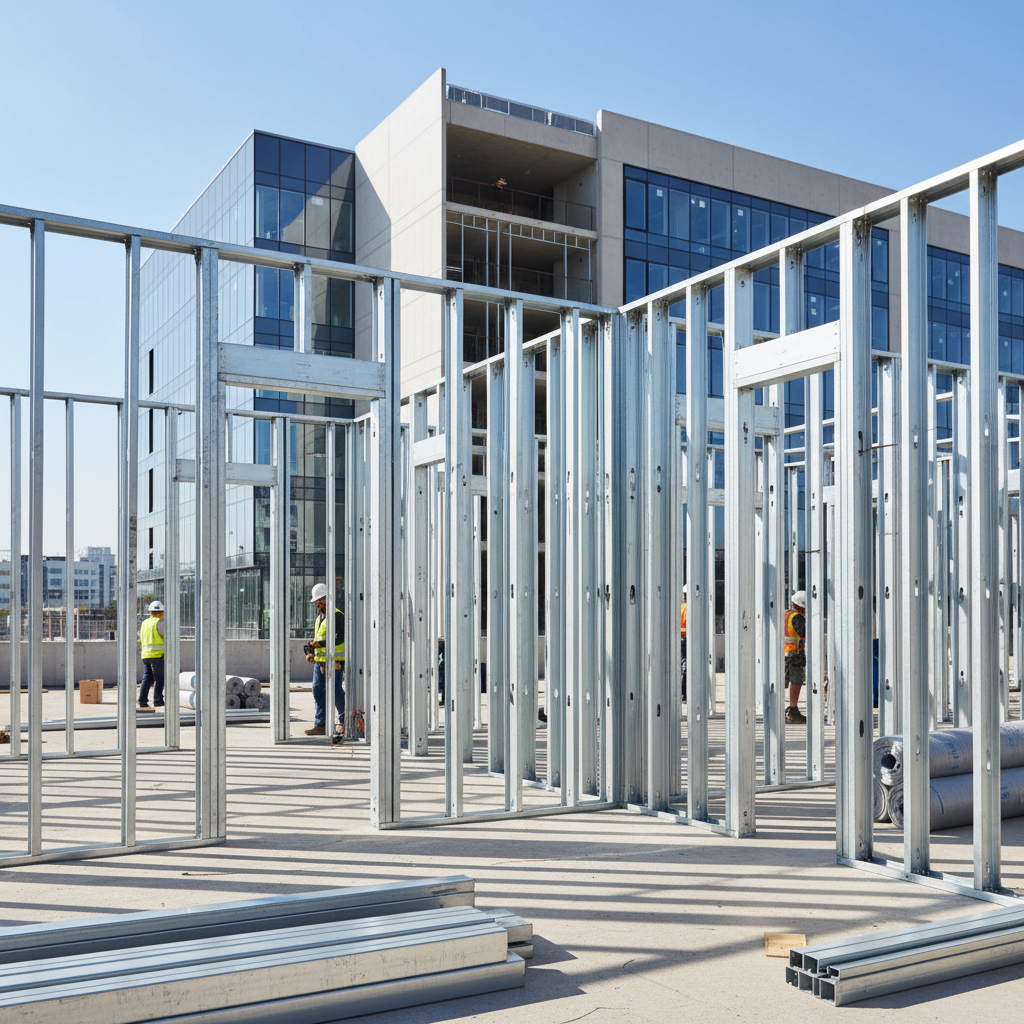
Using steel frames in stud wall construction offers numerous advantages that make them a preferred choice for both residential and commercial projects. One of the primary benefits is their strength and durability. Steel frames are inherently resistant to warping, cracking, and fading, which often plague timber frames over time. This not only enhances the structural integrity of a building but also contributes to its longevity, reducing the need for frequent repairs and maintenance.
Another significant advantage of steel frames is their fire resistance. Unlike wooden structures, steel does not burn, providing improved safety for occupants and reducing insurance costs. Additionally, steel frames can be designed to accommodate larger open spaces without the need for additional support columns, allowing for greater flexibility in architectural design. This characteristic is particularly valuable in modern commercial spaces where open floor plans are desired. Finally, the eco-friendliness of steel — being 100% recyclable — makes it an attractive option for sustainable building practices, appealing to environmentally conscious builders and homeowners alike.
Key Considerations for Selecting Materials and Tools
When selecting materials for a stud wall steel frame, it’s essential to consider both the structural requirements and the specific application of the wall. Steel studs, which are often galvanized to prevent rust and corrosion, offer durability and strength compared to traditional wood studs. Look for high-quality steel that meets industry standards, as this ensures longevity and stability. Additionally, consider insulation materials that complement the steel frame, as effective insulation will improve energy efficiency and soundproofing within the space.
Choosing the right tools for installation is equally critical. A good set of tools will streamline the process and ensure precision. Invest in a quality metal stud shear for cutting, a level for ensuring vertical and horizontal accuracy, and a reliable drill that can handle the necessary fasteners. Furthermore, using a stud finder will help in accurately placing the studs into existing structures when necessary. Proper preparation and the right equipment lay the foundation for a successful stud wall installation, leading to a finished product that meets both aesthetic and functional needs.
Step-by-Step Installation Process for Steel Frame Stud Walls
When it comes to constructing stud walls with steel frames, understanding the step-by-step installation process is crucial for ensuring a sturdy and efficient structure. Steel frame stud walls are increasingly preferred in both residential and commercial projects due to their enhanced durability and resistance to various environmental factors. According to a report from the Steel Framing Alliance, buildings constructed with steel framing can be up to 37% lighter than those made with traditional materials, making them an excellent choice for modern architecture.
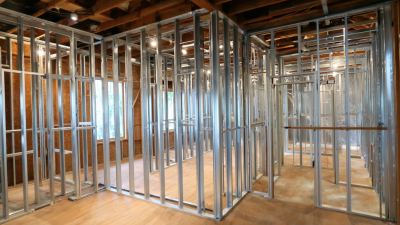
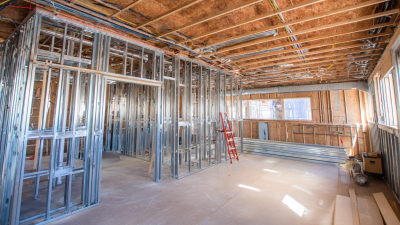
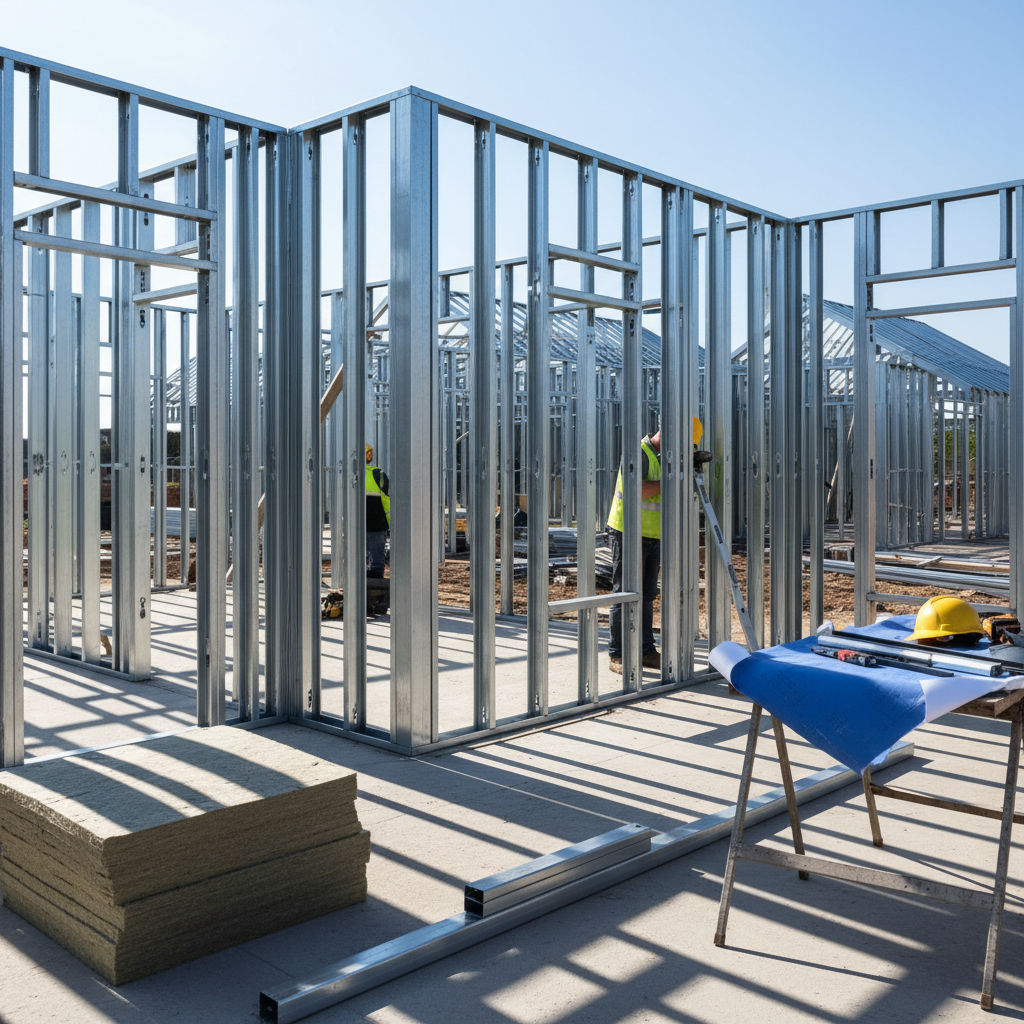
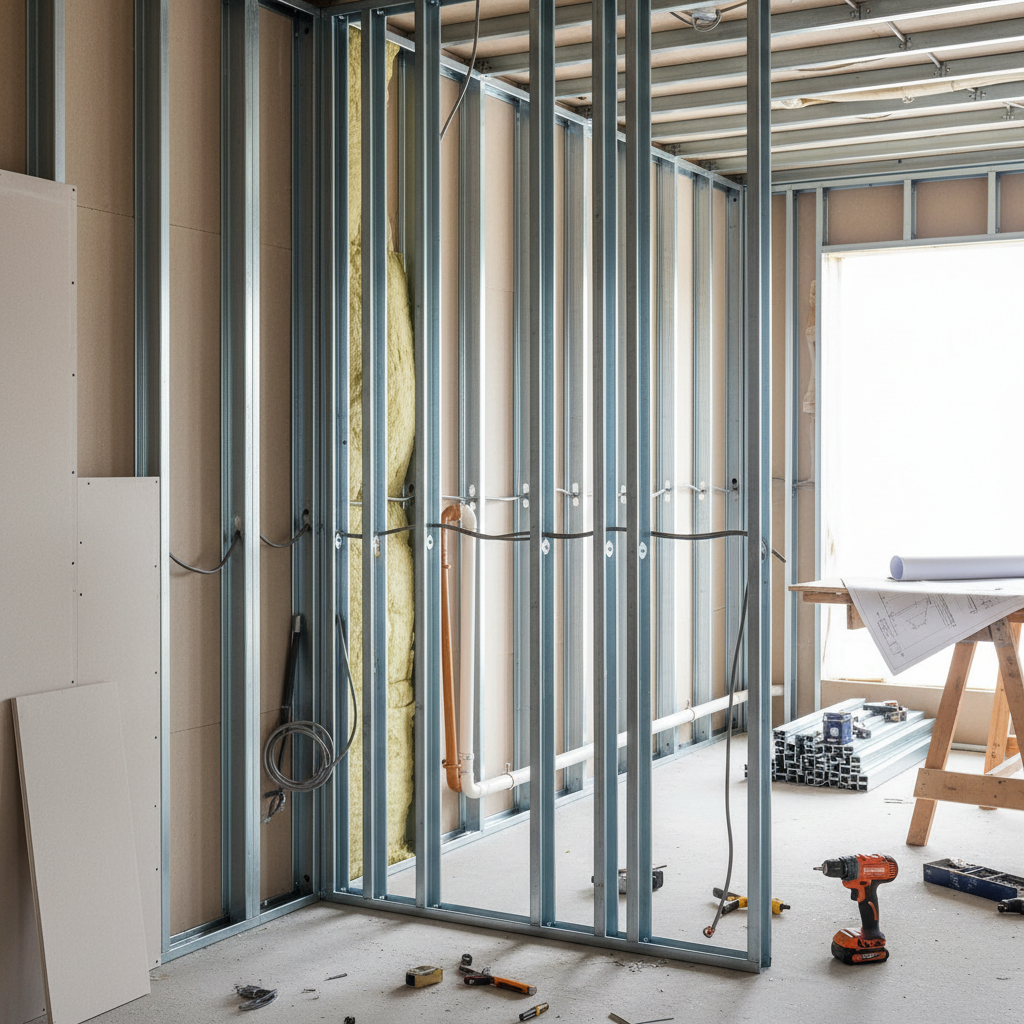
The installation process begins with accurate planning and measurement. First, layout the wall framing by marking the floor, wall, and ceiling on which the studs will be placed. Using steel studs, which typically come in 3-5 inch widths, install the track along the floor and ceiling. Once the frame is secured, studs are placed every 16 inches or 24 inches on center, allowing ample support for drywall and insulation. As per the American Iron and Steel Institute, the proper spacing and alignment of studs are essential not only for aesthetic purposes but also for structural integrity, significantly reducing the risk of warping or settling over time.
After securing the studs, it’s essential to install the appropriate insulation and sheathing to complete the wall. This process not only enhances energy efficiency but also contributes to sound attenuation. Industry assessments indicate that proper insulation in steel stud walls can improve energy efficiency ratings by as much as 30%, providing long-term savings on energy costs while maintaining a comfortable living environment.
2025 Top+ Guide to Stud Wall Steel Frame: Benefits and Installation Tips
Common Mistakes to Avoid When Building with Steel Frames
When embarking on a project that involves steel stud wall construction, it’s crucial to avoid
common pitfalls that can compromise both the structural integrity and aesthetic appeal of your build. One prevalent mistake is
underestimating the importance of proper alignment. According to a report from the
American Iron and Steel Institute, misalignment can lead to significant issues, including uneven surfaces and difficulty in
adding drywall or other finishing materials. Ensuring that all studs are precisely plumb and level from the outset can save
time and resources in the long run.
Another common mistake involves the use of incorrect fasteners. Studies have shown that
using standard screws instead of designed steel-to-steel fasteners can diminish the overall strength of the framing system.
The Steel Framing Alliance notes that specialized fasteners, when used appropriately, can enhance a structure’s resistance
to environmental stressors, such as wind and seismic activity. Selecting the right materials and hardware is essential to
ensure that your steel frame walls not only comply with industry standards but also meet longevity and durability expectations.
Maintenance Tips for Ensuring Longevity of Steel Frame Walls
Steel frame walls are known for their durability and resilience, but regular maintenance is crucial for ensuring their longevity. One of the key maintenance tips is to conduct regular inspections. Look for signs of rust, especially in areas where moisture can accumulate. If any corrosion is detected, it's essential to address it immediately to prevent further deterioration.
Another important tip is to keep the surface clean. Dust and debris can trap moisture against the steel, leading to potential rust issues. A simple routine of wiping down the walls and ensuring proper drainage around the frames will go a long way in maintaining their integrity. Additionally, consider applying a protective coating every few years to enhance the steel's resistance to corrosion and wear.
Lastly, ensure that any penetrations for utilities or fixtures are sealed correctly. Improper sealing can lead to moisture ingress, which not only affects the steel but can also compromise insulation and structural stability. By following these tips, you can effectively prolong the life of your steel frame walls, ensuring they remain a reliable feature of your building.